That bright green spoonful of wheatgrass powder may look like just another wellness trend, but wheatgrass has been attracting attention for its nutritional value for years. Made from the young green shoots of the common wheat plant, wheatgrass powder is rich in chlorophyll and contains various vitamins, minerals, amino acids, flavonoids and other plant compounds.
It is commonly mixed with water, juices or smoothies and is often marketed as a natural detox, immunity-supporting or antioxidant supplement. But how much of the hype is actually supported by science?
Research suggests wheatgrass contains several potentially beneficial bioactive compounds, but evidence for many of its therapeutic claims is still limited. Studies have explored its possible antioxidant, anti-inflammatory, blood-health, digestive and metabolic effects, although larger human trials are needed before it can be recommended as a treatment for specific diseases.
Also Checkout: Wheatgrass Juice: Uses, Nutrition, Health Benefits of This Green Elixir- Infographic
Let us explore wheatgrass powder benefits, uses, preparation, Ayurvedic properties, dosage, side effects and precautions in detail.
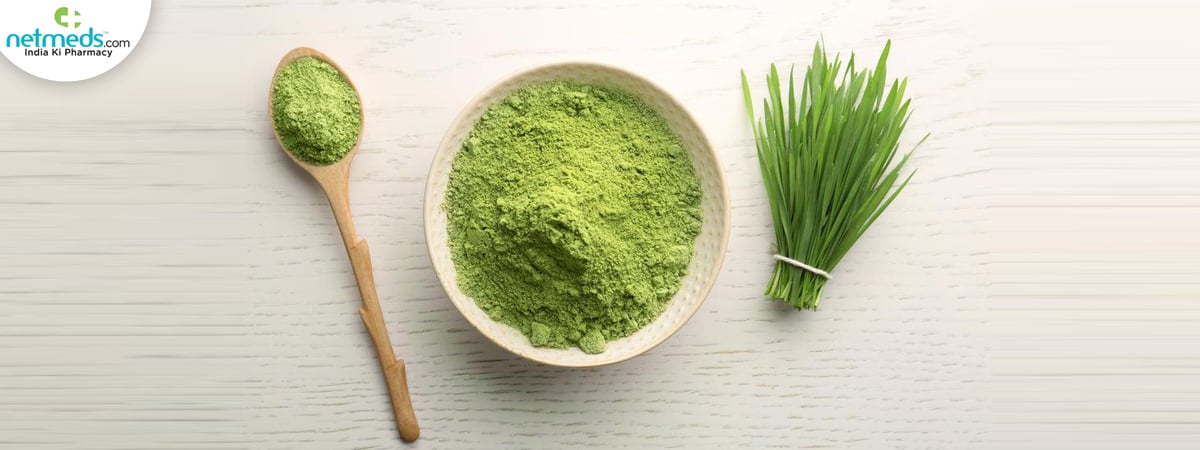
What Is Wheatgrass Powder?
Wheatgrass powder is a dried and powdered form of the young green shoots of Triticum aestivum, the common wheat plant.
Unlike wheat grains, wheatgrass is harvested while the plant is still young, before the grain develops. The fresh grass can be consumed as juice or processed into powder, tablets and other dietary supplements.
Wheatgrass contains compounds such as:
Chlorophyll
Flavonoids
Phenolic compounds
Carotenoids
Vitamins
Minerals
Amino acids
Other phytochemicals
The nutritional composition can vary considerably depending on the wheat variety, growing conditions, harvesting stage and drying method. Research has found that growing conditions can influence the protein, mineral, phenolic, flavonoid, chlorophyll and antioxidant content of wheatgrass powder.
Is Wheatgrass Gluten-Free?
Because wheatgrass is harvested before the wheat grain develops, pure wheatgrass itself does not contain the gluten proteins found in mature wheat grain. However, cross-contamination can occur during cultivation, harvesting or processing.
People with coeliac disease or medically diagnosed gluten sensitivity should therefore choose products specifically certified gluten-free rather than assuming every wheatgrass powder is safe.
Wheatgrass Powder Product Description
Commercial wheatgrass powder is generally a fine, green, dried powder prepared from young wheat shoots.
A good-quality product may have:
Natural green colour
Fresh, grassy aroma
Fine powder consistency
No unnecessary colours or preservatives
Clearly mentioned botanical name
Batch and expiry information
Appropriate quality testing
Different manufacturers use different drying and processing methods. This matters because processing can influence the retention of chlorophyll, vitamin C, beta-carotene, flavonoids and antioxidant compounds. One study found freeze-drying retained more chlorophyll and antioxidant activity than some other drying methods.
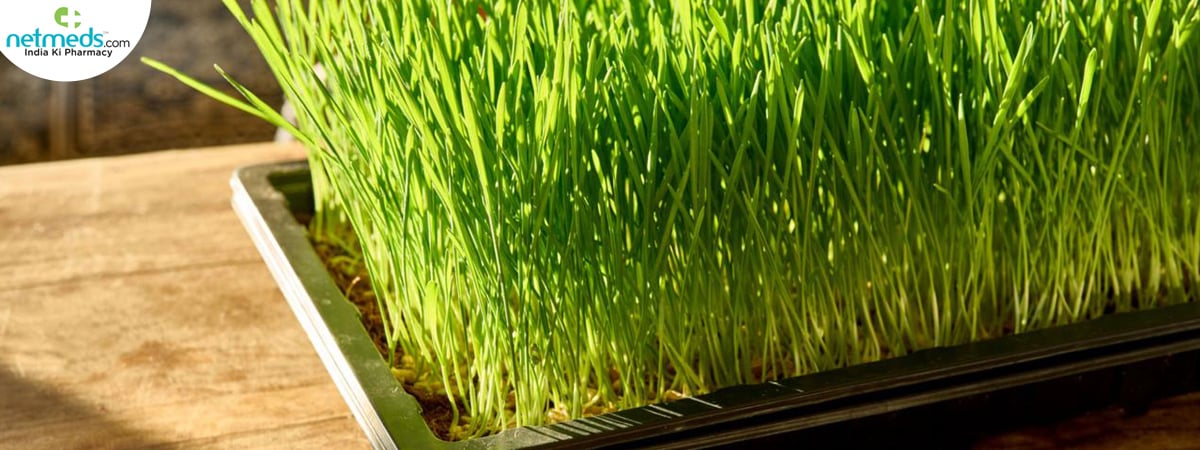
Ingredients in Wheatgrass Powder
A single-ingredient wheatgrass powder should contain only:
Wheatgrass (Triticum aestivum) powder
However, commercial blends may contain additional ingredients such as:
Spirulina
Barley grass
Matcha
Fruit powders
Natural flavours
Sweeteners
Other herbal extracts
Always check the ingredient label, particularly if you have food allergies or follow a restricted diet.
How Is Wheatgrass Powder Prepared?
Commercial wheatgrass powder is produced through several stages.
Method of Preparation
The preparation of wheatgrass powder generally involves:
Harvest young, healthy wheatgrass shoots before the wheat grain develops.
Remove soil, damaged portions and other impurities.
Wash the fresh wheatgrass thoroughly with clean water.
Dry the shoots under controlled conditions, preferably away from excessive heat and direct sunlight to help preserve their nutrients and plant compounds.
Grind the completely dried wheatgrass into a fine powder.
Sieve the powder to obtain a smooth and consistent texture.
Store the finished powder in a clean, dry, airtight container away from moisture, heat and direct sunlight.
Good-quality processing is important because improper drying or storage can reduce nutritional quality and increase the risk of microbial contamination.
Medicinal Qualities of Wheatgrass
Wheatgrass has attracted scientific interest because of its diverse phytochemical composition.
Research has identified chlorophyll, phenolic compounds, flavonoids, carotenoids, vitamins, minerals and amino acids in wheatgrass preparations.
Its reported biological activities include:
Antioxidant activity
Potential anti-inflammatory activity
Possible antimicrobial activity
Potential effects on lipid metabolism
Possible blood-health benefits
Potential metabolic benefits
However, there is an important distinction between biological activity observed in laboratory studies and proven therapeutic effects in humans.
A review of the medical evidence concluded that clinical trials involving wheatgrass were generally small and had methodological limitations, meaning larger studies are required before many therapeutic claims can be confirmed.
Ayurvedic Properties of Wheatgrass
Wheatgrass is commonly referred to in Ayurvedic and wellness literature as Godhuma Ankura, meaning the sprout or young shoot of wheat. However, it is important to distinguish the Ayurvedic properties traditionally described for Godhuma (wheat) from evidence specifically established for young wheatgrass.
Classical Ayurvedic literature discusses Godhuma (Triticum aestivum) as a food and medicinal substance. A review of the Brihatrayi texts reports traditional properties of wheat including Madhura (sweet) rasa, Guru (heavy), Snigdha (unctuous) qualities and Sheeta (cooling) virya, with traditional actions including nourishment and Vata-pacifying effects.
Some modern Ayurvedic sources describe wheatgrass separately as having:
Rasa: Madhura (sweet), with some sources also describing Tikta (bitter)
Guna: Laghu/Snigdha or other qualities depending on the source
Virya: Sheeta (cooling)
Vipaka: Madhura (sweet)
Dosha action: Traditionally described as particularly supportive for Pitta, with effects on Kapha and Vata depending on preparation and individual constitution
Because these descriptions are not uniformly standardised across Ayurvedic sources, wheatgrass powder should not be assigned a definitive Rasa Panchaka without specifying the particular Ayurvedic reference.
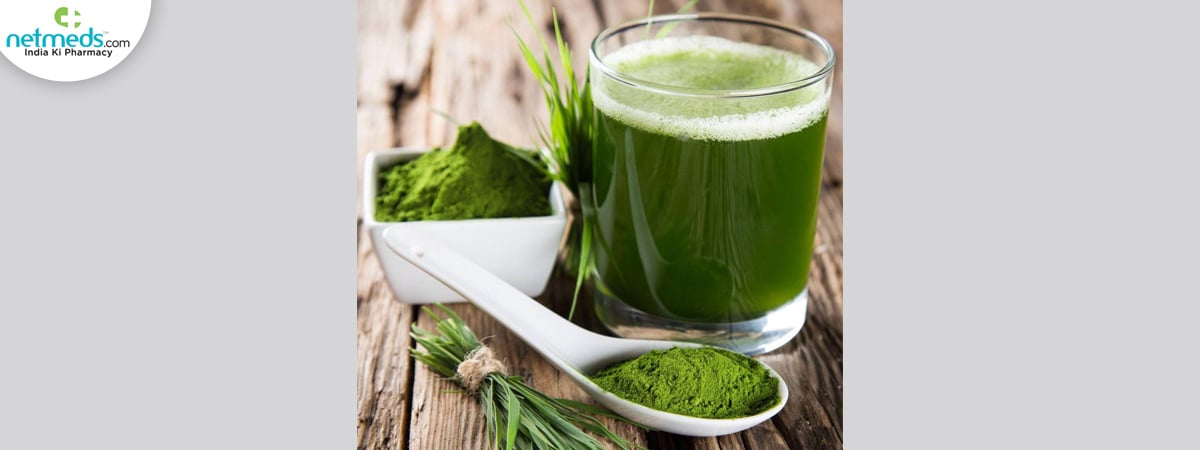
10 Spectacular Health Benefits of Wheatgrass Powder
Provides Antioxidant Support
One of the most researched aspects of wheatgrass is its antioxidant potential.
Wheatgrass contains phenolic compounds, flavonoids, chlorophyll and other phytochemicals that can exhibit antioxidant activity in laboratory studies. These compounds may help neutralise reactive molecules involved in oxidative stress.
However, wheatgrass shouldn't be considered a substitute for a varied diet rich in fruits, vegetables, whole grains, nuts and seeds.
Also Read: What Are Antioxidants? Health Benefits, Uses, And Sources Explained
Offers Nutrients
Wheatgrass provides several nutrients and plant compounds, although the exact nutritional profile varies by product and processing method.
Studies have detected minerals including potassium, phosphorus, calcium, magnesium, sodium and iron, along with amino acids and phenolic compounds.
Adding a small amount of wheatgrass powder to a smoothie can therefore be one way of incorporating another plant-based ingredient into the diet.
Supports Healthy Blood Parameters
Wheatgrass has been investigated for its potential role in blood health, particularly because of its nutrient and chlorophyll content.
Small clinical studies have explored wheatgrass in conditions involving blood parameters, but evidence remains preliminary. It should not replace iron supplements or medical treatment for diagnosed anaemia.
Promotes Heart Health
Research has explored the effect of wheatgrass on cardiovascular risk factors.
In one randomised study involving 59 hyperlipidaemic women, daily consumption of 3.5 g freeze-dried wheatgrass powder for 10 weeks was associated with reductions in total cholesterol, LDL cholesterol, triglycerides and apolipoprotein B compared with the control group. However, HDL also decreased, and the study was relatively small.
More research is required before wheatgrass can be recommended specifically for cholesterol management.
Also Read: Heart Health: Add These 5 Powerful Herbs For Optimal Cardiac Function
Remedies Inflammation
Flavonoids and phenolic compounds found in wheatgrass have demonstrated anti-inflammatory activity in experimental research.
This has prompted interest in wheatgrass for inflammatory conditions, but current evidence isn't strong enough to consider wheatgrass a treatment for chronic inflammatory diseases.
Aids Digestion
Wheatgrass is sometimes consumed as part of wellness routines for digestive health.
Its plant compounds and small amounts of fibre may complement a balanced diet. Some clinical research has also explored wheatgrass juice in people with ulcerative colitis, with one small study reporting improvements in certain symptoms. However, the overall evidence remains very limited and low quality.
Anyone with persistent diarrhoea, abdominal pain, blood in stools or unexplained digestive symptoms should seek medical evaluation rather than relying on wheatgrass.
Also Checkout: Digestive Health: 5 Amazing Herbs For Uplifting Gut Health And Function-Infographic
Manages Metabolic Health
Wheatgrass has been investigated for possible effects on blood glucose and lipid metabolism.
The nutritional and phytochemical components of wheatgrass may contribute to these effects, but human evidence is still insufficient to establish wheatgrass as a treatment for diabetes or metabolic disorders.
If you have diabetes, don't replace prescribed medicines with wheatgrass powder.
Bolsters Immunity
Wheatgrass contains vitamins, minerals and antioxidant compounds that contribute to normal physiological functions, including immune health.
Some experimental research has investigated immunomodulatory effects of wheatgrass. However, claims that wheatgrass can "boost immunity" or prevent infections in humans remain insufficiently established.
A balanced diet, adequate sleep, exercise and recommended vaccinations remain much more important for immune health.
Augments Skin Health
Antioxidants and carotenoids present in wheatgrass may support overall nutritional health, which indirectly contributes to healthy skin.
Wheatgrass is sometimes promoted as a natural skin cleanser or "blood purifier," but such claims should be interpreted cautiously. There isn't sufficient clinical evidence to say that drinking wheatgrass powder can treat acne, pigmentation or other skin disorders.
May Complement a Healthy Lifestyle
Perhaps the most realistic benefit of wheatgrass powder is that it can be a convenient way to add another plant-based food to your routine.
It can be mixed into smoothies, water or yoghurt and combined with other nutrient-rich foods. Think of it as one small component of a balanced diet rather than a magic detox powder.
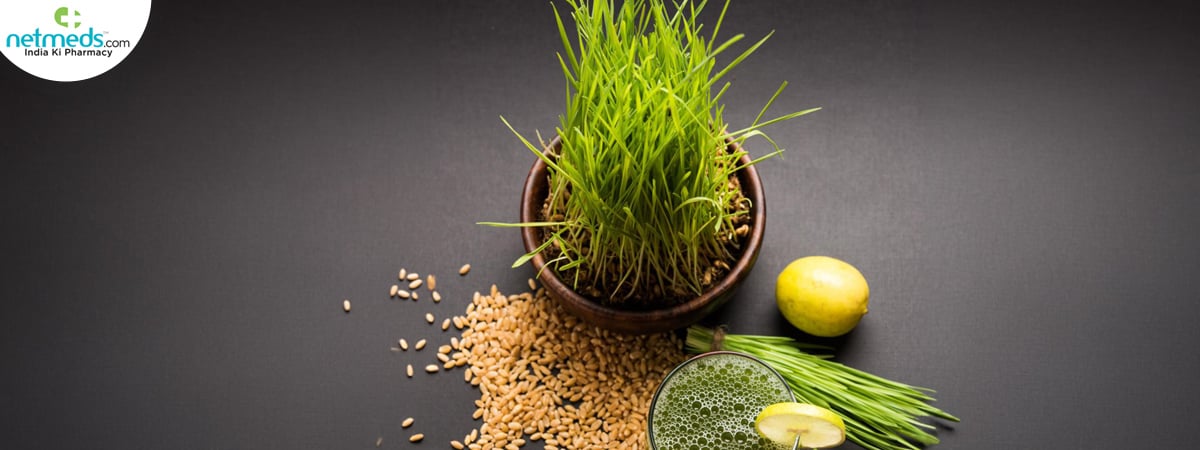
Wheatgrass Powder Dosage
There is no universally established therapeutic dose for wheatgrass powder.
A review of cereal vitamins reports a commonly cited serving of approximately 3.5 g (about 1 teaspoon) of dehydrated wheatgrass powder.
However, commercially available products can differ substantially in concentration and processing. One clinical trial used 3.5 g of freeze-dried wheatgrass powder daily for 10 weeks.
For general dietary use:
Start with around 1 teaspoon (approximately 3–3.5 g) once daily, mixed into water or a smoothie, unless the product label or healthcare professional recommends otherwise.
Avoid automatically increasing the dose because more powder does not necessarily mean greater health benefits.
How to Take Wheatgrass Powder?
You can easily add wheatgrass powder to your daily routine.
Wheatgrass Drink
Mix approximately 1 teaspoon of powder into a glass of water and consume soon after preparation.
Wheatgrass Smoothie
Blend wheatgrass powder with:
Banana
Apple
Mint
Lemon
Water or unsweetened plant milk
Wheatgrass Yoghurt Bowl
Mix a small quantity into plain yoghurt along with fruit, nuts and seeds.
If you are new to wheatgrass, start with a small amount because its strong grassy flavour can be difficult for some people to tolerate.
Wheatgrass Powder Side Effects
Wheatgrass is generally considered well tolerated in small dietary quantities, but some people may experience:
Nausea
Stomach discomfort
Headache
Loss of appetite
Allergic reactions
Small clinical studies have reported nausea, decreased appetite and constipation in some participants consuming wheatgrass juice.
Contamination is another concern, particularly with fresh wheatgrass juice or poorly processed homemade preparations. Proper washing, hygienic handling and reputable sourcing are therefore important.
Precautions When Using Wheatgrass Powder
Pregnancy and breastfeeding
There isn't enough reliable evidence regarding medicinal quantities of wheatgrass during pregnancy or breastfeeding. Consult a healthcare professional before using concentrated supplements.
Children
Do not routinely give concentrated wheatgrass supplements to young children without discussing them with a paediatrician.
Wheat allergy
People with wheat allergy should avoid wheatgrass products unless a healthcare professional confirms that a specific product is appropriate.
Coeliac disease
Choose only products certified gluten-free if you have coeliac disease because contamination during processing is possible.
Diabetes
Wheatgrass may potentially influence blood glucose, so people taking diabetes medicines should monitor their glucose and discuss regular use with their healthcare provider.
Chronic illness
If you have liver disease, kidney disease, gastrointestinal disease or another chronic condition, seek professional advice before taking concentrated herbal supplements.
Medicines
If you take prescription medication, particularly medicines affecting blood sugar, blood pressure or blood clotting, discuss wheatgrass supplementation with your doctor or pharmacist.
Don't use wheatgrass as a disease treatment
Wheatgrass should not replace prescribed medicines, cancer treatment, iron therapy or medically recommended dietary interventions.
Is Wheatgrass Powder a Detox Supplement?
This is one of the biggest claims surrounding wheatgrass.
Wheatgrass is often promoted as a natural detoxifier or blood purifier, but your liver and kidneys already perform the body's major detoxification functions.
Although wheatgrass contains chlorophyll and antioxidant compounds, there isn't strong clinical evidence showing that drinking wheatgrass powder "flushes toxins" from the body.
Instead of thinking of wheatgrass as a detox cure, consider it a nutrient-containing plant food that can complement an otherwise healthy diet.
Conclusion
Wheatgrass powder has certainly earned its place among popular green wellness foods. Made from the young shoots of Triticum aestivum, it provides chlorophyll, minerals, vitamins and various antioxidant plant compounds.
Research has identified promising antioxidant, anti-inflammatory, metabolic and gastrointestinal properties, and a few small human studies have reported potentially beneficial effects. However, the evidence is still developing, and many popular claims surrounding wheatgrass, including strong detox, disease-cure and immunity claims, go beyond what current research can establish.
The best way to use wheatgrass powder is therefore to treat it as a supplementary plant food rather than a miracle remedy. Choose a reputable product, start with a modest serving, follow the label directions and speak with a healthcare professional if you have an underlying condition or take medication.
Most importantly, don't let one green powder overshadow the basics: a varied diet, adequate sleep, regular physical activity and appropriate medical care remain the real foundations of good health.
References:
1.The Medical Use of Wheatgrass: Review of the Gap Between Basic and Clinical Applications — Reviews the evidence for wheatgrass in areas including oxidative stress, ulcerative colitis, diabetes, obesity and blood disorders. The authors also caution that existing clinical trials are generally small.
2.General Health Benefits and Pharmacological Activities of Triticum aestivum L. — Reviews the nutritional components and potential antioxidant, antidiabetic, antimicrobial and other pharmacological properties of wheat/common wheat.
Read the full research review on PMC
3.Effect of Drying Procedures on Nutritional Composition, Bioactive Compounds and Antioxidant Activity of Wheatgrass — Particularly useful for a wheatgrass powder article because it examines how drying affects nutrients, chlorophyll, flavonoids and antioxidant activity.
4.Wheat Grass Juice in the Treatment of Active Distal Ulcerative Colitis — A randomized, double-blind, placebo-controlled clinical trial involving 23 patients that investigated wheatgrass juice as a potential adjunct for ulcerative colitis.
Read the clinical trial on PubMed
5.Efficacy and Safety of Wheat Grass in Thalassemic Children on Regular Blood Transfusion — A randomized prospective study examining wheatgrass supplementation in children with thalassemia receiving regular transfusions.
6.Effect of Wheat Grass Tablets on the Frequency of Blood Transfusions in Thalassemia Major — Clinical research investigating wheatgrass tablets, haemoglobin levels and transfusion requirements in children with thalassemia major.
7.Nutritional Significance of Wheatgrass: Cultivation Practices and Opportunities for its Processing and Preservation — A recent review covering wheatgrass nutrition, bioactive compounds, processing, preservation, powder/juice/tablet forms and potential health applications.
8.Therapeutic Potential of Wheatgrass Juice: A Comprehensive Narrative Review — Reviews the nutritional composition, antioxidant properties and available evidence concerning wheatgrass juice and conditions including anaemia, gastrointestinal disorders and oxidative stress. It also highlights the limited quality of much of the existing evidence.
9.Wheatgrass and Antioxidant/Bioactive Compounds Research — The drying study above provides useful experimental evidence that wheatgrass contains chlorophyll, flavonoids, saponins and other bioactive compounds, with antioxidant activity varying according to processing method.
View the research details on PMC
10.Clinical Evidence Review of Wheatgrass — The PubMed review is particularly useful as a balanced reference because it distinguishes laboratory/animal findings from human clinical evidence and notes that larger, better-designed studies are still needed before firm clinical recommendations can be made.
 Previous