Have you ever looked for an easy way to add more nutrients, antioxidants and plant-based goodness to your everyday diet? If yes, you may have already heard about Moringa Powder, the vibrant green powder made from the dried leaves of the Moringa oleifera tree.
Often called the "drumstick tree" or "miracle tree," moringa has been used as a food and traditional medicine for generations, particularly across India, Africa and other tropical regions. Its leaves are naturally rich in protein, fibre, carotenoids, minerals and several bioactive plant compounds, making moringa an increasingly popular ingredient in health drinks, smoothies and wellness supplements.
Ayurveda also holds moringa, known as Shigru, in high regard for its warming, digestive and Kapha-balancing qualities. Traditionally, different parts of the plant have been used for supporting digestion, joint comfort and overall vitality.
Modern research has also investigated Moringa oleifera for its antioxidant, anti-inflammatory, metabolic and nutritional properties. However, it is important to remember that promising laboratory and early human research does not mean moringa can treat or cure a disease.
In this article, we will explore everything you need to know about Moringa Powder, including what it is, its plant description, ingredients, medicinal qualities, Ayurvedic properties, 10 potential health benefits, dosage, side effects, precautions and frequently asked questions.
What Is Moringa Powder?
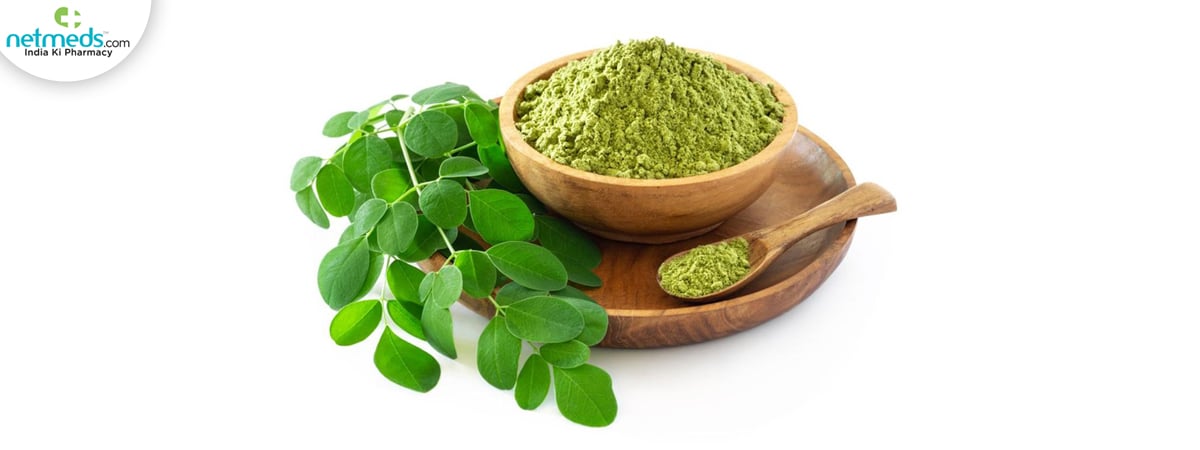
Moringa Powder is a finely ground herbal powder prepared primarily from the dried leaves of Moringa oleifera. The leaves are harvested, cleaned, dried and pulverised into a green powder that can be consumed as a food ingredient or dietary supplement.
Moringa leaves are nutritionally dense and contain protein, dietary fibre, carotenoids, minerals and various polyphenolic compounds. The exact nutritional composition can vary depending on the variety of the plant, growing conditions, soil, harvesting stage and processing method.
The leaves contain several biologically active compounds, including:
Flavonoids
Phenolic compounds
Carotenoids
Glucosinolates
Vitamins and minerals
Amino acids
Dietary fibre
These nutrients and phytochemicals contribute to the nutritional and potential health-promoting properties of moringa.
Moringa leaf powder should not be confused with powders made from the roots, bark or seeds, as different parts of the plant have different chemical compositions and safety considerations.
Moringa Plant Description
Moringa oleifera is a fast-growing, drought-resistant tree belonging to the Moringaceae family. It is native to the Indian subcontinent and is now cultivated widely across tropical and subtropical regions.
The plant has delicate, feathery green leaves, fragrant flowers and long, slender seed pods that resemble drumsticks, giving it the popular name drumstick tree.
Product Description
Attribute
Details
Botanical Name
Moringa oleifera Lam.
Ayurvedic Name
Shigru
Common Name
Drumstick Tree
Family
Moringaceae
Part Commonly Used for Powder
Leaves
Form
Fine green leaf powder
Origin
Indian subcontinent
Common Uses
Food, traditional medicine and dietary supplements
Moringa Powder Ingredients
Pure Moringa Powder generally contains:
100% dried Moringa oleifera leaves
The leaves naturally provide:
Plant protein
Dietary fibre
Calcium
Potassium
Carotenoids
Vitamin-related nutrients
Polyphenols
Flavonoids
Other phytochemicals
The nutritional profile can differ significantly depending on cultivation and processing conditions, so the nutrient content of one commercial product should not automatically be assumed for another.
Method of Preparation
Traditional preparation of moringa leaf powder generally involves:
Harvest healthy, mature moringa leaves.
Remove the stems, damaged leaves and impurities.
Wash the leaves thoroughly.
Dry them under controlled conditions, preferably away from excessive heat and direct sunlight.
Grind the dried leaves into a fine powder.
Sieve the powder to achieve a consistent texture.
Store it in a clean, airtight container away from moisture.
Good-quality processing is important because poor drying and storage may reduce nutritional quality or increase the risk of contamination.
Medicinal Qualities of Moringa Powder
Moringa has attracted scientific interest because its leaves contain numerous nutrients and bioactive plant compounds.
Its potential medicinal qualities include:
Antioxidant activity: Polyphenols and carotenoids may help combat oxidative stress.
Anti-inflammatory potential: Certain compounds in moringa have demonstrated anti-inflammatory activity in experimental research.
Nutritional support: Moringa leaves provide protein, fibre and several micronutrients.
Metabolic support: Preliminary research suggests possible effects on blood glucose and lipid metabolism.
Digestive support: Its fibre content may contribute to healthy digestion.
Cardiovascular support: Research is exploring its potential effects on blood pressure and lipid profiles.
Antimicrobial activity: Moringa contains compounds investigated for antimicrobial properties.
However, most of these properties should be considered potential benefits rather than established treatments for medical conditions.
Ayurvedic Properties of Moringa
In Ayurveda, Moringa is traditionally known as Shigru.
Its properties are generally described as:
Ayurvedic Property
Description
Rasa (Taste)
Katu (Pungent), Tikta (Bitter)
Guna (Qualities)
Laghu (Light), Tikshna (Sharp)
Virya (Potency)
Ushna (Hot)
Vipaka
Katu
Dosha Effect
Traditionally considered useful for balancing Kapha and Vata; excessive use may aggravate Pitta
Ayurvedic texts and traditions use different parts of Shigru for various purposes. Because preparations and plant parts can differ, the Ayurvedic properties of leaf powder should not automatically be equated with those of root, bark or seed preparations.
10 Potential Health Benefits of Moringa Powder
Provides Nutritional Support
One of the biggest advantages of Moringa Powder is its nutrient density. Dried moringa leaves contain protein, dietary fibre and several vitamins and minerals. Adding a small quantity of moringa powder to meals can therefore contribute to overall dietary variety. It may be particularly useful for people looking for plant-based sources of nutrients. However, moringa should complement, not replace, a balanced diet containing vegetables, fruits, whole grains, legumes, nuts and adequate protein.
Combats Oxidative Stress
Moringa leaves contain antioxidant compounds such as polyphenols, flavonoids and carotenoids. Antioxidants help neutralise free radicals and protect cells from oxidative damage. Excess oxidative stress has been associated with ageing and several chronic health conditions. Laboratory and experimental studies have demonstrated antioxidant activity in Moringa oleifera preparations. However, the extent to which consuming moringa powder produces clinically meaningful antioxidant benefits in humans requires further research.
Manages Blood Sugar
Moringa has attracted considerable interest for its potential role in metabolic health. Some early human studies and reviews have reported possible improvements in blood glucose measures following consumption of moringa preparations. However, the number of clinical studies remains limited, and results are not strong enough to consider moringa a treatment for diabetes. Its fibre and phytochemical content may contribute to its potential metabolic effects. People taking diabetes medication should be particularly cautious because combining supplements with glucose-lowering medicines could potentially affect blood sugar levels.
Also Checkout: Diabetes: 5 Incredible Herbs For Controlling Blood Sugar Levels- Infographic
Treats High Cholesterol Levels
Another area of research is the effect of moringa on blood lipid levels. Experimental studies suggest that certain Moringa oleifera compounds may influence lipid metabolism. A few human studies have also explored possible improvements in cholesterol and triglyceride levels. However, evidence is still insufficient to recommend moringa as a replacement for cholesterol-lowering medication or a heart-healthy diet. For cardiovascular wellness, focus primarily on regular exercise, adequate fibre, healthy fats, weight management and medical care when required.
Aids Digestion
Moringa leaves contain dietary fibre, which plays an important role in maintaining healthy digestion and bowel regularity. In Ayurveda, Shigru is traditionally valued for its digestive and Kapha-balancing qualities. Including small amounts of moringa powder in a balanced diet may therefore support digestive wellness. However, consuming excessive amounts may cause digestive discomfort in some individuals.
Also Read: Indigestion? 7 Powerful Herbal Digestive Supplements You Should Try For Instant Relief
Regulates Inflammatory Response
Moringa contains several plant compounds that have demonstrated anti-inflammatory activity in laboratory and animal research. These findings have generated interest in its potential role in supporting the body's natural inflammatory response. However, this should not be interpreted as evidence that moringa can treat arthritis, autoimmune diseases or other inflammatory disorders. For persistent pain, swelling or inflammation, appropriate medical evaluation remains essential.
Bolsters Immunity
A healthy immune system depends on adequate intake of protein, vitamins, minerals and other nutrients. Because moringa leaves contain several micronutrients and antioxidant compounds, incorporating them into a varied diet may contribute to overall nutritional support. However, there is currently insufficient evidence to claim that moringa powder can prevent infections or "boost immunity" dramatically. The best approach is to combine a nutrient-rich diet with adequate sleep, physical activity, hygiene and recommended vaccinations.
Also Read: Top 8 Ayurvedic Formulations That Can Bolster Your Immunity
Promotes Heart Health
Moringa is being investigated for several cardiovascular-related effects, including possible influences on blood pressure, cholesterol and oxidative stress. Its nutrient and antioxidant content makes it an interesting functional food. However, human evidence remains limited. Individuals with hypertension or cardiovascular disease should not stop prescribed medicines and replace them with moringa powder.
Also Read: Heart Health: Add These 5 Powerful Herbs For Optimal Cardiac Function
Augments Healthy Skin and Hair
Healthy skin and hair require adequate protein, vitamins, minerals, essential fats and antioxidants. Moringa leaves provide several nutrients and plant compounds that may support overall nutritional health, which indirectly contributes to healthy skin and hair. Moringa is also used in cosmetic preparations such as oils, creams and hair products. However, drinking moringa powder should not be promoted as a proven treatment for acne, pigmentation, hair loss or other dermatological conditions.
Supports Overall Wellness and Healthy Ageing
Perhaps the most practical benefit of moringa is its role as a nutrient-rich plant food. Its combination of protein, fibre, minerals, carotenoids and polyphenolic compounds makes it a useful addition to a balanced diet. Rather than viewing moringa as a miracle cure, think of it as one small nutritional addition that may complement an overall healthy lifestyle.
Moringa Powder Dosage
There is no universally established therapeutic dose of Moringa Powder for treating specific health conditions.
Commercial products commonly suggest approximately 2–5 grams per day, equivalent to roughly ½–2 teaspoons depending on the product and spoon size.
A recent human acceptability study evaluated approximately 2.4 g, 4.8 g and 7.2 g of moringa leaf powder daily for seven days; the study was designed primarily to assess acceptability and side effects, not to establish a therapeutic dose.
For general dietary use:
Start with a small quantity.
Follow the manufacturer's serving instructions.
Avoid taking excessive amounts.
Take it with food if it causes stomach discomfort.
Consult a healthcare professional if you are taking medicines or have a medical condition.
How To Take Moringa Powder?
Moringa Powder can easily be incorporated into everyday meals.
Try adding it to:
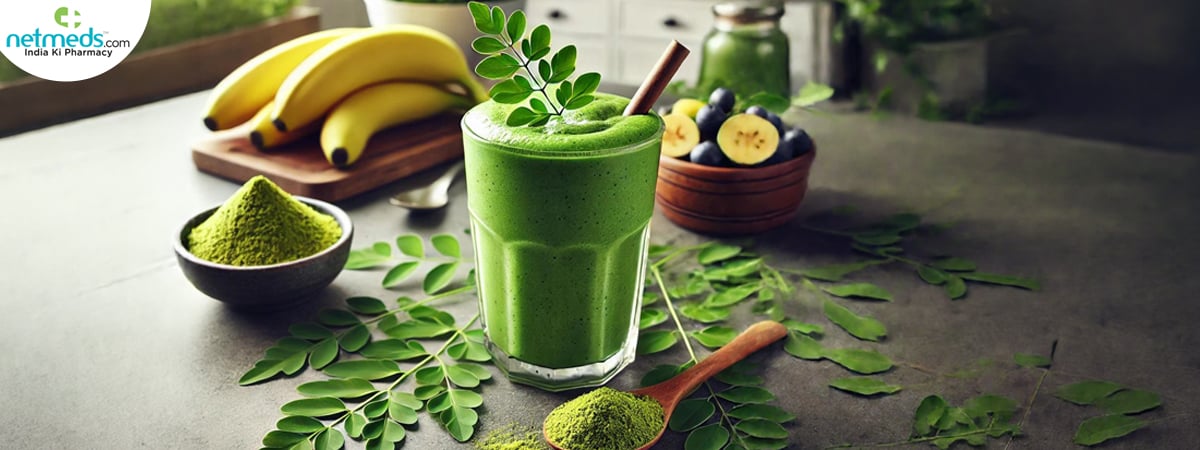
Smoothies
Soups
Dal
Vegetable curries
Chutneys
Salads
Warm water
Homemade energy drinks
Because heat and processing can affect certain nutrients, avoid assuming that cooking or boiling preserves every beneficial compound.
Moringa Powder Side Effects
Moringa leaf powder is generally well tolerated in the amounts commonly used as food, but some people may experience side effects, particularly when consuming large quantities.
Possible side effects include:
Nausea
Stomach upset
Bloating
Loose stools
Heartburn in sensitive individuals
Product quality also matters. Contaminated or poorly processed herbal powders may pose additional risks.
If you develop persistent or severe symptoms after consuming moringa, discontinue it and consult a healthcare professional.
Moringa Powder Precautions
Keep these precautions in mind before adding moringa powder to your wellness routine:
Pregnancy
Avoid medicinal or concentrated moringa supplements during pregnancy unless specifically recommended by a qualified healthcare professional. Safety may vary by plant part and preparation, and some research has raised concerns about non-leaf plant parts and concentrated extracts.
Breastfeeding
Moringa has traditionally been used to support lactation, but evidence regarding its effectiveness and optimal dosage remains limited. Consult your healthcare provider before using concentrated supplements while breastfeeding.
Diabetes Medication
Moringa may influence blood glucose levels. People taking diabetes medicines should consult a healthcare professional before using it regularly.
Blood Pressure Medication
Because moringa may potentially influence blood pressure, people taking antihypertensive medicines should seek medical advice before supplementation.
Medication Interactions
If you take regular prescription medicines, discuss moringa use with your doctor or pharmacist before starting supplementation.
Product Quality
Choose a reputable product that clearly lists Moringa oleifera leaf powder, preferably with quality testing and appropriate packaging.
Do Not Assume All Plant Parts Are Safe
Moringa roots, bark and other plant parts are chemically different from leaf powder and should not be used interchangeably.
Who May Benefit From Moringa Powder?
Moringa Powder may be useful as a nutritional addition for:
Adults looking to increase dietary variety
People interested in plant-based foods
Individuals seeking additional dietary fibre
People looking for nutrient-rich greens
Those interested in antioxidant-rich foods
Individuals following balanced wellness-focused diets
It should not be viewed as a substitute for prescribed medication or professional treatment.
Conclusion
Moringa Powder, prepared from the leaves of Moringa oleifera, is a nutrient-rich traditional food and herbal ingredient that has gained significant popularity in modern wellness. Packed with plant protein, fibre, minerals, carotenoids, polyphenols and other bioactive compounds, it may offer several potential health benefits, including nutritional support, antioxidant activity and possible support for healthy blood sugar, cholesterol and inflammatory balance.
Ayurveda traditionally recognises Moringa as Shigru, a warming herb valued for its digestive and Dosha-balancing properties.
At the same time, modern scientific evidence should be interpreted carefully. While laboratory research and early human studies are promising, larger and better-designed clinical trials are still required before Moringa can be considered an established treatment for specific diseases.
The best way to use Moringa Powder is as a complement to a balanced diet and healthy lifestyle, rather than as a miracle remedy. Start with small quantities, choose quality products and consult a healthcare professional if you have an existing health condition or take regular medication.
References:
- National Center for Biotechnology Information (NCBI) – Research on the nutritional, pharmacological and safety profile of Moringa oleifera.
- PubMed – Reviews examining the safety and efficacy of Moringa oleifera.
- Central Council for Research in Ayurvedic Sciences (CCRAS) – Ayurvedic research and traditional medicinal information.
- Ministry of AYUSH – Ayurvedic medicinal plant resources and traditional medicine information.
 Previous