


Your gut is a bustling ecosystem, home to several microorganisms working together to form your gut microbiome, thus maintaining digestion, nutrient absorption, immune function, and your gut health. However, sometimes the balance and diversity of these microorganisms get disrupted, and this health condition is known as gut dysbiosis. While this health issue, unlike other health problems, may or may not arrive with noticeable symptoms, changes in the gut bacterial community can cause several other health concerns besides digestive upset.
Understanding gut dysbiosis causes, symptoms, and prevention can help you maintain a healthier digestive system and a balanced gut microbiome.

Also Read: 11 Warning Signs Of A Weakened Immune System You Shouldn’t Ignore
What Exactly Is Gut Dysbiosis?
A healthy gut contains a complex community of beneficial and harmful microorganisms (and some harmful ones too) that, by and large, coexist in perfect balance. These gut bacteria get imbalanced, with some microorganisms multiplying excessively while others become less abundant; this may influence digestion, intestinal function, and interactions between the gut microbiome and immune system.
What Causes Gut Dysbiosis?
Several factors can affect the diversity of the gut microbiome. The change in the gut microbial ecosystem may occur alongside certain digestive or other health conditions. Some common gut dysbiosis causes can include:
Poor Diet
A diet high in unhealthy fats in ultra-processed foods, added sugars, and low in dietary fibre disrupts the beneficial gut microbes. To maintain a diverse population of beneficial gut bacteria, eat fibre-rich foods such as vegetables, fruits, legumes, and whole grains. Also, provide substrates that benefit gut bacteria.
Antibiotic Use
Antibiotics are essential medications used to treat bacterial infections. However, they can also affect beneficial bacteria in the gut. During or after antibiotic treatment, changes in the microbiome can happen, though the extent and duration can vary dramatically in every individual. Antibiotics must be taken only when prescribed by a health care provider.
Chronic Stress
Prolonged psychological stress can disrupt digestive function and influence the communication between the gut and brain. Stress may influence intestinal movement, composition of gut microorganisms, and gut barrier function.
Lack Of Physical Activity
Regular physical activity is associated with several aspects of better overall health. Thus, it may also influence your gut microbial diversity. Regular physical activity is important for overall well-being.
Infections And Digestive Disorders
Certain underlying digestive health conditions and gastrointestinal infections can alter the intestinal environment and affect the balance of gut microorganisms. Proper evaluation and prompt action are necessary if any noticeable symptoms are visible.
Lack Of Sleep
Poor-quality or insufficient sleep may affect many body functions. Metabolic and immune function and has also been associated with changes in the gut microbiome. One must aim for eight hours of restful sleep.
Also Read: Fiber Supplements For Weight Loss: Benefits, Uses, And Side Effects Explained
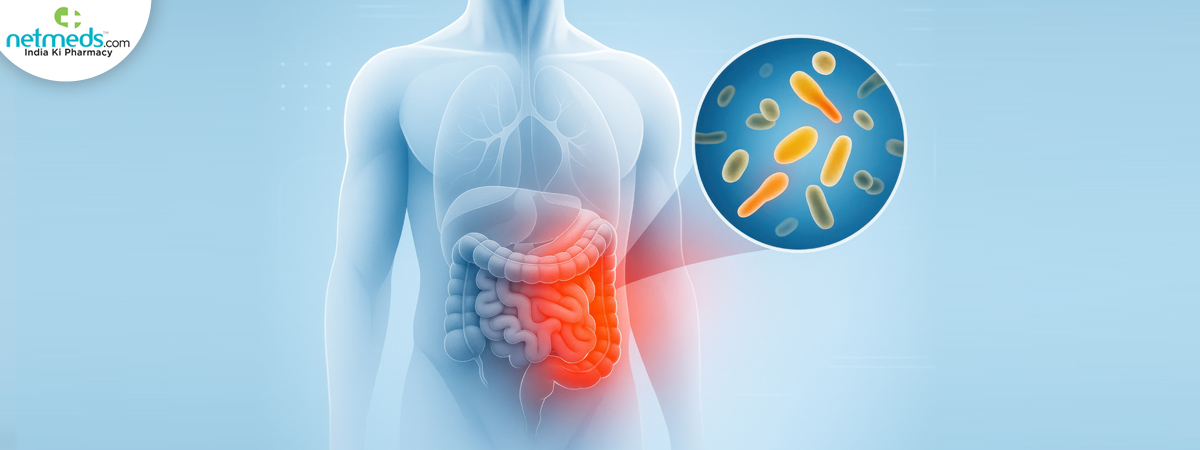
Symptoms Of Gut Dysbiosis
There is no single set of gut dysbiosis symptoms, and some people may not experience obvious symptoms. Experiencing digestive symptoms does not automatically mean that you have gut dysbiosis. Sometimes, digestive disturbances occur alongside changes in the gut microbiome; symptoms may include:
· Bloating and abdominal discomfort
· Diarrhoea or loose stools
· Changes in bowel habits or chronic constipation
· Indigestion and food-related digestive discomfort
· Nausea in some cases
How Is Gut Dysbiosis Diagnosed?
There is currently no universally accepted clinical test or definition that can diagnose gut dysbiosis, but doctors generally focus on a person's symptoms, diet, medications, history, and underlying health conditions. Depending on the symptoms, they may recommend appropriate investigations to rule out conditions such as infections, inflammatory bowel disease, food intolerances, or other gastrointestinal disorders.
Treatment For Gut Dysbiosis
The right dysbiosis treatment depends on the underlying cause and the person's symptoms. There is no universal treatment that can restore the gut microbiome overnight.
Improve Your Diet
One of the most practical ways to support gut health is to consume a varied, fibre-rich diet. Include vegetables, fruits, whole grains, beans, lentils, nuts, and seeds according to your tolerance.
Include Fermented Foods
Foods such as curd, Greek yoghurt with live cultures, kefir, and fermented vegetables may provide beneficial microorganisms or fermentation products. Choose options appropriate for your dietary needs and tolerance.
Use Antibiotics Responsibly
Do not take antibiotics without a prescription or stop a prescribed course without consulting your healthcare professional. Unnecessary antibiotics cause antibiotic resistance and can disrupt normal gut microorganisms and kill all good bacteria.
Stay Physically Active
Regular physical activity such as walking, cycling, swimming or other activities that suit your fitness level can be incorporated into your routine. By supporting overall health, it may have beneficial effects on the gut microbiome.
Consider Probiotics Carefully
Probiotics are live microorganisms that may provide health benefits when consumed in adequate amounts. However, their effects can vary depending on dose, an individual’s health, and other factors. Speak to a healthcare professional before starting supplements, particularly if you have weakened immunity or an underlying medical condition.
How To Prevent Gut Dysbiosis?
There are many healthy habits that can help support microbial diversity and digestive health. Incorporate the basic ones, and you may notice better results:
· Eat a diverse range of plant-based foods and add adequate dietary fibre in your meals.
· Stay physically active and take a small walk after every meal
· Drink enough water throughout the day.
· Get consistent, good-quality sleep.
· Manage ongoing stress.
· Limit excessive intake of ultra-processed foods and added sugars, and even unnecessary antibiotics
· Avoid smoking and excessive alcohol consumption
· Follow good food hygiene to minimise gastrointestinal infections
When Should You See A Doctor?
Bloating, constipation or occasional changes in bowel habits are common. However, you must consult a healthcare professional if you experience persistent abdominal pain, unexplained weight loss, blood in the stool, prolonged diarrhoea or constipation, recurrent vomiting, fever or significant changes in your bowel habits. These symptoms can sometimes indicate an underlying medical condition that requires proper diagnosis and treatment.
Frequently Asked Questions
What Are The Common Symptoms Of Gut Dysbiosis?
Common symptoms associated with digestive disturbances may include bloating, gas, constipation, diarrhoea, abdominal discomfort, and changes in bowel habits. However, these symptoms can have many different causes. Persistent or severe symptoms should be evaluated by a healthcare professional.
What Causes Gut Dysbiosis?
Gut dysbiosis may be influenced by factors such as an unbalanced diet, antibiotic use, chronic stress, poor sleep, physical inactivity, and certain gastrointestinal infections. These factors can alter the composition and diversity of gut microorganisms. The underlying cause can vary from person to person.
How Can I Improve Gut Health Naturally?
Eating a varied, fibre-rich diet containing vegetables, fruits, whole grains, legumes, nuts and seeds can help support a healthy gut microbiome. Fermented foods containing beneficial microorganisms may also be included as part of a balanced diet. Staying physically active, getting sufficient sleep, managing stress, and using antibiotics responsibly can also support a healthy gut microbiome.
Can Gut Dysbiosis Be Treated?
While a single treatment may not work for everyone with gut dysbiosis, it can be managed if the patient focuses on addressing the underlying cause, improving diet, and supporting overall digestive health. Depending on the individual's symptoms and medical history, a healthcare professional may recommend specific treatments or further investigations.
Conclusion
Gut dysbiosis occurs when the microorganisms and their composition in the digestive system are altered. While research continues to explore the connection between gut bacteria, microbiome imbalance, and overall health, dysbiosis should not automatically be considered the cause of every health disorder related to digestive health. Consume a fibre-rich diet, maintain regular physical activity, get sufficient sleep, and find healthy ways to manage stress to promote a healthier digestive system. Antibiotics should also be taken only when medically appropriate and as advised by a healthcare professional. Self-diagnosing gut dysbiosis or relying on restrictive gut detoxes, probiotics, or supplements without professional guidance may not address the underlying cause, and one must seek advice if there are any symptoms related to digestive health
References:
https://www.niddk.nih.gov/news/archive/2023/complex-interplay-diet-gut-microbiome-influences-human-health
https://www.niddk.nih.gov/news/archive/2020/studies-role-human-gut-microbiome-diet-antibiotic-alter-nutrient-absorption
https://www.nccih.nih.gov/health/probiotics-usefulness-and-safety
https://www.niddk.nih.gov/news/archive/2020/studies-role-human-gut-microbiome-diet-antibiotic-alter-nutrient-absorption
Gut microbiome health and dysbiosis: A clinical primer
https://pubmed.ncbi.nlm.nih.gov/36168753/
https://pmc.ncbi.nlm.nih.gov/articles/PMC6682904/
https://pmc.ncbi.nlm.nih.gov/articles/PMC3065426/
https://gut.bmj.com/content/71/5/1020
https://pmc.ncbi.nlm.nih.gov/articles/PMC9797740/
https://www.sciencedirect.com/science/article/pii/S2772431X22000375
https://ncert.nic.in/textbook/pdf/lebo108.pdf
 Previous


