


Wheat is a grass widely produced across the world as a cereal grain and one of the most versatile cereals owing to its dense nutritional profile and indispensable health benefits. There are many species of wheat available, belonging to the genus Triticum and the most extensively grown one is wheat. Botanists refer to the wheat kernel as a type of fruit called a caryopsis and it is a staple food of Indians that is used widely in a spectrum of culinary dishes, right from roti, paratha and poori, to mention a few. Wheat is also a key ingredient used in baking products and it is the second most cultivated cereal owing to its huge demand. The viscoelastic and adhesive properties of the gluten protein in wheat assist in the making of a diverse range of processed food products like bread, biscuits, pasta, cakes, noodles and breakfast cereals.
Also Read: Barley: Know Why You Should Include This Whole Grain In Daily Diet
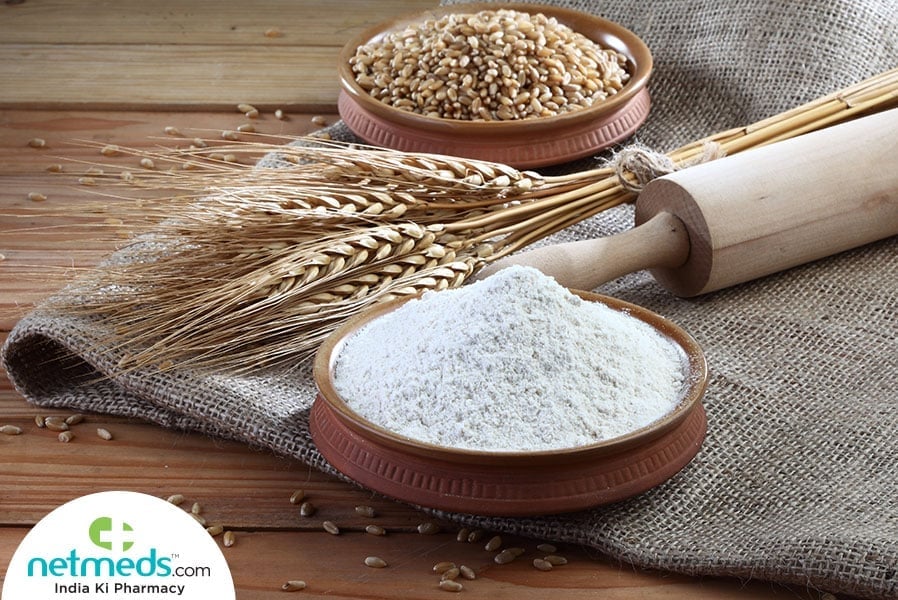
Whole wheat is valued as the healthiest form of wheat, whereas the processed forms of grains are less nutritious, as the outer bran layer is removed, which comprises several essential nutrients. Raw wheat is pounded into flour using hard durum wheat, which is further crushed into semolina, germinated and dried as malt, crushed into broken wheat, parboiled, dried, crushed and de-branded into bulgur, also known as groats.
Nutritional Facts
Wheat offers 327kcalories per 100 grams, and it is imbued with a ton of essential nutrients like protein, dietary fibre, manganese, phosphorus, iodine, potassium, calcium, copper, niacin, vitamin E and other catalytic elements. Wheat contains 13% water, 71% carbohydrates, 1.5% fat and 13% protein, which is in the form of gluten. As wheat protein is deficient in certain amino acids, such as lysine, these days wheat flour is fortified with a protein source to make up for the deficiency. The magnitude of health benefits rendered by adding this whole-grain includes triggering the metabolism, lowering the risk of chronic diseases, regulating diabetes and aiding in weight.
Bioactive Compounds Present In Wheat
Wheat is bestowed with several plant compounds, including:
Ferulic acid is a key antioxidant in wheat and other cereals.
Phytic acid is loaded in the bran; this acid may impede the absorption of minerals like iron and zinc. However, soaking, sprouting, and fermenting grains can decrease their levels.
Alkylresorcinols are a type of antioxidant in wheat that confer numerous health benefits.
Lignans are a powerful antioxidant that may prevent colon cancer.
Lutein is responsible for the colour of yellow durum wheat. This potent antioxidant augments eye health and promotes vision.
What Are The Uses Of Wheat?
Wheat, packed with a wealth of nutrients, can be readily included as a part of a wholesome meal as whole grains or wheat flour.
- Whole wheat grains are used to make bread and other baked products
- Wheat flour is a vital part of Indian bread (roti)
Read through this article to get an insight into the amazing health benefits of this whole-grain cereal.
Wellness Incentives Of Wheat
Boosts Metabolism
Several studies have disclosed that the addition of whole-grain cereal triggers metabolism and it is the healthiest way to lower the risk of metabolic syndromes like dyslipidaemia, obesity and uncontrolled blood pressure. Including wheat grain as part of a daily regimen stimulates the digestion process, which thereby leads to better metabolism and reduces the risk of several chronic diseases. Besides this, wheat a good source of complex carbohydrate keeps you energised throughout the day and offering stamina.
Regulates Diabetes
A notable amount of magnesium in wheat, a mineral that acts as a cofactor for several enzymatic reactions, including glucose metabolism and insulin secretion. Wheat is a good source of dietary fibre, complex carbohydrate and low in fat content is an ideal grain that can be added to the diabetic meal plan. Consuming wheat on a regular basis facilitates in controlling blood sugar spikes and reduces the risk of type 2 diabetes. Also Read: Type 2 Diabetes Mellitus: Causes, Symptoms And Treatment
Reduces Risk Of Chronic Inflammation
Chronic inflammation is caused by a reaction to a stimulus or improper functioning of the immune system. If ignored can lead to several disorders like cancers, arthritis and heart diseases. According to the American Journal of Clinical Nutrition, wheat contains betaine, a compound that is valuable in lowering the levels of chronic inflammatory markers, which have been associated with reducing the risk of heart disease, type 2 diabetes, osteoporosis, cognitive decline and Alzheimer’s.
Prevents cancer
The wheat bran works as an anticarcinogenic agent, which helps to counteract the effects of harmful carcinogens and averts the risk of certain cancers. High levels of estrogen are known to cause breast cancer; wheat bran works wonders in maintaining the estrogen levels, thereby preventing breast cancer. Apart from this, vast reserves of lignans function as hormone receptors in the body, which aids to lower the levels of circulating estrogen and preventing the risk of cancer.
Augments Heart Health
The goodness of phytonutrient lignans in wheat, when taken, is converted into mammalian lignans in the gut by a receptive flora in the system. A type of lignan known as enter lactone in wheat lowers the risk of heart diseases, increases the levels of good cholesterol and also plays a remarkable role in optimising the cardiac functions. Moreover, wheat is a good source of dietary fibre, complex carbs and other essential nutrients, which help to keep you satiated, control hunger pangs and also aids to lose weight, thereby minimising the risk of heart disease.
What Are The Side Effects Of Wheat?
Though there are several merits of wheat, some people may experience certain side effects, where they may need to restrict intake or totally avoid it. Wheat has several potential side effects including allergy, worsened irritable bowel syndrome, wheat intolerance and antinutrient content.
Side effects observed on consuming wheat are:
- Nausea
- Vomiting
- Indigestion
- Diarrhoea
- Sneezing
- Runny nose
- Headache
Frequently Asked Questions
What Are the Benefits of Whole Grain Cereal?
Whole grain cereal offers several important health benefits because it contains all parts of the grain: the bran, germ, and endosperm. This means it retains more fiber, vitamins, minerals, and antioxidants than refined cereals.
Benefits of Whole Grain Cereal
Supports healthy digestion due to high fiber content.
Helps maintain stable blood sugar levels.
Keeps you full longer, which may support weight management.
May help reduce bad cholesterol (LDL) and optimise heart health.
Provides nutrients like B vitamins, iron, magnesium, and zinc.
What Is the Best Cereal for Heart Patients?
The best cereal for heart patients is typically one that is:
High in fiber
Low in added sugar
Low in sodium
Made from whole grains
Good Options Include
Bran cereal
Whole wheat flakes
Muesli with no added sugar
Barley-based cereals
What to Look For on Labels?
Choose cereals with:
At least 3–5 grams of fiber per serving
Minimal added sugar
Whole grain is listed as the first ingredient
Oats are especially beneficial because they contain beta-glucan, a soluble fiber that may help lower cholesterol levels.
Can Whole Grain Wheat Help Lower Cholesterol?
Yes, whole-grain wheat may help lower cholesterol levels, especially when included as part of a heart-healthy diet. How It Helps
Whole grains contain soluble and insoluble fiber. The presence of plant compounds and antioxidants. Fiber can help reduce the absorption of cholesterol in the digestive system, which may lower LDL (“bad”) cholesterol levels.
What Cereal Is Good for High Cholesterol?
The best cereals for high cholesterol are those rich in soluble fiber, especially oat-based cereals. Recommended cereals include:
Oatmeal
Oat bran cereal
Bran flakes
Barley cereal
High-fiber whole grain cereals
Conclusion:
The treasure trove of nutrients present in wheat grain offers a ton of healing health benefits, such as boosting metabolism, regulating blood sugar levels, controlling blood pressure, enhancing gut health, promoting weight loss and lowering the risk of chronic inflammation. Add this wholesome grain as part of your diet regimen to reap its umpteen benefits. However, those who are susceptible to an allergic reaction and gluten sensitivity should avoid it.
References:
https://pmc.ncbi.nlm.nih.gov/articles/PMC4998136/
The contribution of wheat to human diet and health
Peter R Shewry 1,2,✉, Sandra J Hey 1
The Contribution of Wheat to Human Nutrition and Health
Shewry, Peter (2021) The Contribution of Wheat to Human Nutrition and Health. A year on the field (Nov 20).
https://repository.rothamsted.ac.uk/id/eprint/31753/
 Previous