


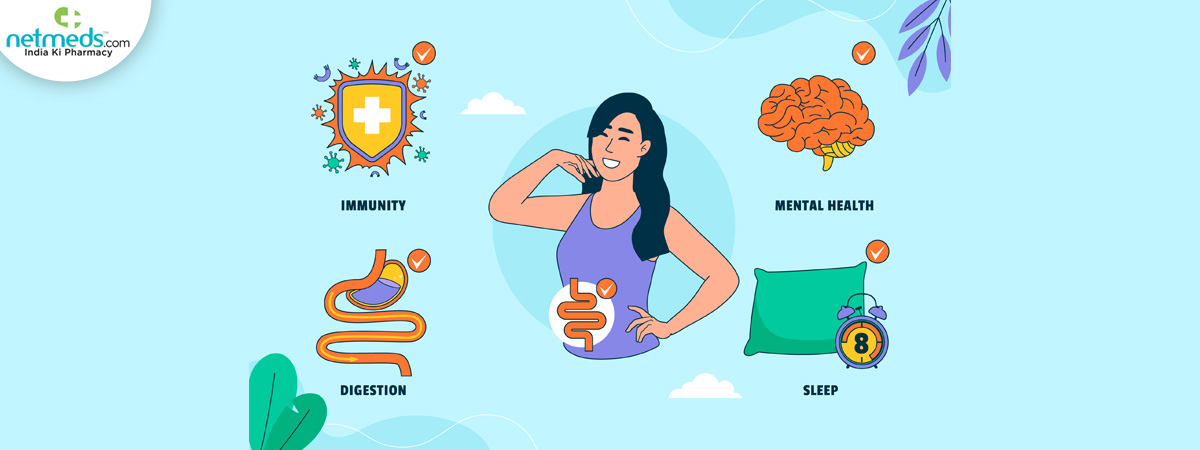
Your gut does much more than digest food. Be it improving your immunity, metabolism, skin, mood, and even brain function, nearly 70% of the body's immune cells reside in the gut, making it one of your body's first lines of defence against harmful pathogens. Have you been experiencing bloating, constipation, frequent fatigue, or unexplained skin issues? Your gut could be sending you warning signs. Ignoring even mild ones can lead to several health problems. Fortunately, recognizing the early signs of poor gut health and making simple lifestyle changes can help restore balance.
In this article, we will explore the common signs of an unhealthy gut, why the gut microbiome matters, and practical ways to improve your digestive wellness naturally.

What Causes Poor Gut Health?
By and large, people associate the gut only with digestion, but that is not the case. Home to trillions of beneficial microorganisms, collectively known as the gut microbiome, responsible for better immunity, metabolism, and even mental well-being. When this delicate balance is disrupted, it can negatively impact wellness. Several lifestyle habits can disrupt the balance of gut bacteria, including:
· Sugary diets
· Frequent antibiotic usage
· Chronic stress
· Excessive intake of alcohol
· Low fibre intake
· Less sleep
· Sedentary lifestyle
Also Read:7 Must-Add Fermented Foods For Better Gut Health And Digestive Function
Signs Your Gut Health May Be Suffering
Frequent Bloating and Gas
Occasional bloating is normal on some days, but persistent and chronic bloating after eating a meal indicates an imbalance in gut bacteria, food intolerance, or poor digestion.
Irregular Bowel Movements
Constipation, diarrhoea, or alternating bowel habits may signal that your digestive system needs a reset and is not functioning efficiently.
Constant Fatigue
Poor gut health signals bad nutrient absorption, leaving your body deficient in vitamins and minerals vital for energy production.
Food Intolerances
Difficulty digesting foods such as gluten foods, dairy products or high-fibre foods can be linked to an unhealthy gut microbiome.
Weak Immunity
Around 70% of the immune system resides in the gut. Frequent infections or slow recovery from mild to severe illness also indicate compromised gut health.
Skin Problems
Conditions like acne, eczema, rosacea, and dry skin are also linked to inflammation originating from the gut. A healthy gut helps reduce systemic inflammation and may support clearer, healthier-looking skin by improving nutrient absorption and immune function.
Does It Cause Inflammation?
Very much! A healthy gut also helps regulate inflammation throughout the body. A major risk factor for several health conditions, including obesity, type 2 diabetes, cardiovascular disease, and inflammatory bowel disease (IBD), beneficial gut microbes produce short-chain fatty acids (SCFAs), which help nourish the cells lining the intestines, reduce inflammation, and maintain a strong gut barrier. Supporting these beneficial bacteria through a fibre-rich diet and healthy lifestyle may lower inflammation and promote long-term health.
How Else Can You Maintain Your Gut Health?
Your gut also produces certain vitamins, including vitamin K and some B vitamins, supports hormone regulation, helps eliminate waste efficiently, and protects against harmful toxins. Poor gut health manifests as frequent bloating, low energy, frequent infections, brain fog, or even unexplained mood changes. These symptoms are often the body's early warning signs that your gut needs attention. Ultimately, the cornerstone of your overall well-being. Taking care of your gut today can help prevent health problems tomorrow, improve your quality of life, and support a healthier body from the inside out. After all, when your gut thrives, the rest of your body is far more likely to thrive too. The good news is that your gut microbiome is highly adaptable, and eating fibre, fruits, vegetables, whole grains, legumes, fermented foods, and prebiotic-rich ingredients can encourage the growth of beneficial bacteria. Staying hydrated, exercising regularly, getting enough sleep, managing stress, and limiting ultra-processed food can further improve gut health.
References:
https://pmc.ncbi.nlm.nih.gov/articles/PMC6682904/
https://pmc.ncbi.nlm.nih.gov/articles/PMC3065426/
 Previous


