The gut is home to trillions of microorganisms that play a key role in digestion, immunity, metabolism and overall wellness. Keeping a healthy balance of these microorganisms is important for optimising overall health. Functional food ingredients such as probiotics, prebiotics, and their synergistic combination, synbiotics, have gained significant popularity worldwide in recent years.
Synbiotics blend beneficial bacteria with vital nutrients that help those bacteria thrive, making them the right choice for enhancing gut and overall health. Whether you are looking to optimise gut health, boost your immune system or recover after a course of antibiotics, synbiotics may confer numerous health benefits when used as part of a healthy lifestyle.
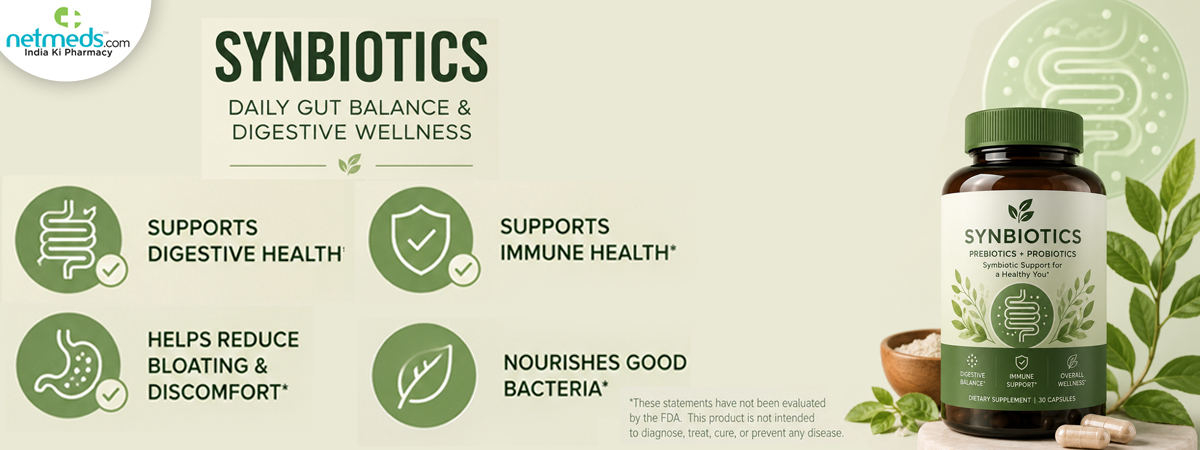
Dive into this article to explore what synbiotics are, their benefits, uses, dosage, possible side effects and precautions.
What Are Synbiotics?
Synbiotics are supplements that comprise both probiotics and prebiotics. Probiotics are live beneficial microorganisms that help maintain a healthy balance of bacteria in the gut. Prebiotics are non-digestible dietary fibres that serve as food for these beneficial bacteria, helping them grow and survive.
When combined, probiotics and prebiotics work synergistically to improve the survival and activity of beneficial microbes in the digestive system. This complementary relationship is known as a synbiotic effect.
How Do Synbiotics Work?
The prebiotic element works to nourish and feed the probiotic bacteria, helping them survive the acidic nature of the stomach and colonise the intestines more effectively. Together, synbiotics may help:
Improve the balance of beneficial gut bacteria.
Smooth digestive functions
Decrease the growth of harmful microorganisms
Enhance immune function
Promote the production of beneficial short-chain fatty acids
Health Benefits of Synbiotics
Promotes Digestive Health
One of the fundamental benefits of synbiotics is optimising overall gut health. They may help sustain a balanced gut microbiome, which is important for healthy digestion and proper assimilation of nutrients.
Reduces Antibiotic-Associated Diarrhoea
Antibiotics are known to disrupt the natural balance of gut bacteria in some people. Synbiotics may help restore beneficial microorganisms and reduce the risk of diarrhoea associated with antibiotic use.
Also Read: Are Probiotics Good for Acidity? How They Help, Benefits, Ways to Add, And Side Effects
Treats Constipation
Synbiotic formulations may promote bowel regularity by increasing stool frequency and supporting healthier gut function.
Promotes Immune Health
The gut and immune system are closely interlocked, and more than 80% of immune cells are in the gut. By promoting a healthy gut microbiome balance, synbiotics may trigger normal immune function and help the body to react to pathogens and infections effectively.
Manage Irritable Bowel Syndrome (IBS)
A few studies have shown that synbiotics may help mitigate symptoms such as bloating, abdominal pain, constipation and diarrhoea in those suffering from irritable bowel syndrome. However, benefits may differ depending on the strains and formulations used.
Gut Barrier Function
Synbiotics may help strengthen the intestinal lining, reducing intestinal permeability and supporting overall digestive health.
Improve Nutrient Absorption
A healthy gut microbiome can promote the absorption of essential vitamins and minerals, including calcium and magnesium. Thereby prevent nutritional deficiencies and support overall wellness.
Common Uses of Synbiotics
Healthcare providers may recommend synbiotics to support:
Digestive health
Recovery after antibiotic therapy
Constipation management
Irritable bowel syndrome (IBS)
General gut microbiome support
Immune health
Overall wellness
Synbiotics should complement, not replace, medical treatment when managing digestive disorders or other health conditions.
Food Sources of Prebiotics and Probiotics
While synbiotic supplements provide both components in one product, you can also obtain them from foods.
Also Read: 5 Effective Tips To Follow For Optimal Gut Health-Infographic
Probiotic Foods
Yoghurt with live cultures
Kefir
Kimchi
Sauerkraut
Miso
Tempeh
Prebiotic Foods
Garlic
Bananas
Chicory root
Asparagus
Oats
Apples
Leeks
The right blend of foods packed with probiotics and prebiotics may naturally create a synbiotic-rich meal.
Synbiotic Supplements
Synbiotic supplements are readily available as:
Capsules
Tablets
Powders
Sachets
Chewable tablets
Synbiotic supplements contain different probiotic strains and prebiotic ingredients. The effectiveness of a synbiotic depends on its specific formulation and the intended health benefit.
Follow the dosage instructions provided on the product label or use them as advised by a healthcare provider.
Possible Side Effects of Synbiotics
Synbiotics are generally considered safe and well-tolerated for most healthy individuals. However, some people may experience mild side effects when starting supplementation, including flatulence, bloating, abdominal discomfort, increased bowel movements and temporary changes in stool consistency. These symptoms usually improve as the gut adjusts.
Rarely, people with severely weakened immune systems or serious underlying medical conditions may be at a higher risk of infections from probiotic organisms.
Things To Remember
Before taking synbiotic supplements:
Consult your healthcare provider if you are pregnant or breastfeeding.
Speak with your doctor if you have a compromised immune system or a serious medical condition.
Inform your healthcare provider if you have recently undergone surgery or are taking immunosuppressive medications.
Choose products from reputable manufacturers that clearly list probiotic strains and colony-forming units.
Store supplements according to the manufacturer's instructions to maintain potency.
Who May Benefit from Synbiotics?
Synbiotics may be beneficial for:
Those people who wish to maintain good digestive health.
Individuals recovering from antibiotic treatment.
People with occasional constipation.
Those looking to strengthen immune health.
Elderly adults aiming to maintain gut health.
Individuals wanting to support a healthy gut microbiome
Conclusion
Synbiotics combine probiotics and prebiotics to support a healthy gut microbiome and overall wellness. They may help improve digestive health, support immune function, promote bowel regularity, and assist recovery after antibiotic use. Although generally safe, it is important to choose high-quality products and use them according to the manufacturer's instructions or a healthcare provider's advice.
References:
Synbiotics as potent functional food: recent updates on therapeutic potential and mechanistic insight
Mukesh Yadav 1, Nirmala Sehrawat 1,✉, Anil Kumar Sharma 1, Sunil Kumar 2, Rajbir Singh 3, Ashwani Kumar 4, Amit Kumar
https://pmc.ncbi.nlm.nih.gov/articles/PMC10771572/
Synbiotic Supplements in the Prevention of Obesity and Obesity-Related Diseases
Emília Hijová 1
https://pmc.ncbi.nlm.nih.gov/articles/PMC9031884/
 Previous