Muscle soreness is one of the known side effects of exercise, especially those that challenge the body in new ways. Well, it’s quite usual to feel pain and stiffness after starting any new fitness regimen. This post-workout ache is often termed “delayed onset muscle soreness”. Generally, exercise creates minor tears in muscle fibres, and it is recovery nutritional support that helps repair, rebuild, and strengthen muscles, helping you stay healthy and fitter in the long run. Getting the right combination of nutrients post-workout helps replenish energy stores, eases muscle soreness, improves muscle protein synthesis, and prepares the body for the next training session. Overlooking recovery nutrition can impede muscle repair, increase fatigue, and affect your overall fitness journey.
Give Your Muscles The Nutrition They Need. Discover Our Best-Selling Muscle-Building Supplements
Dive into this article to learn more about what recovery nutrition is, its importance, the best foods to eat, foods to limit, and healthier meal ideas.
What Is Recovery Nutrition?
Recovery nutrition, in simple terms, means consuming the appropriate combination of nutrients after strenuous physical activity to support the body in repairing damaged muscles, replenishing glycogen stores, easing inflammation, and restoring fluid balance.
The recovery period usually begins immediately after exercise and continues for the next 24–48 hours, depending on the intensity of the workout session.
Recovery nutrition focuses on:
- Reconstructing muscle tissue
- Replenishing muscle glycogen
- Restoring lost fluids and electrolytes
- Easing inflammation
- Supporting immune function
- Improving athletic performance and endurance
Why Is Recovery Nutrition Important?
During an exercise regimen, the muscles undergo intense physiological stress. The human body experiences breakdown of muscle protein, depleting stored glycogen, loss of water through perspiration, loss of electrolytes like sodium and potassium and increased oxidative stress.
Without adequate nutritional intake, recovery slows down, increasing the risk of:
Muscle fatigue
Poor exercise performance
Frequent injuries
Diminished strength gains
Delayed muscle repair
How Recovery Nutrition Helps with Muscle Building
Promotes Muscle Protein Synthesis
Protein in the diet offers key amino acids that repair damaged muscle fibres post-exercise. This process, known as muscle protein synthesis, is responsible for increasing muscle mass and strength.
Replenishes Glycogen Stores
Carbs are restored as glycogen, the body’s main fuel source, which is used during workouts. Replenishing glycogen stores lets muscles recover faster and makes them ready for the next exercise session.
Also Read: The Perfect Diet for Muscle Gain: A Complete Guide And Sample Indian Meal Plan
Reduces Muscle Breakdown
Having a good-quality protein along with carbohydrates lowers muscle protein breakdown while promoting recovery.
Decreases Muscle Soreness
Foods that are packed with potent antioxidants and anti-inflammatory compounds support easing exercise-induced inflammation and delayed onset muscle soreness (DOMS).
Supports Hormonal Balance
A wholesome diet with the right amounts of macro and micronutrients supports hormones involved in muscle growth, including insulin, growth hormone, and testosterone.
Key Nutrients Needed For Recovery
Protein
Protein is an important macronutrient that repairs damaged muscle fibres and supports muscle growth. Good sources include:
Eggs
Chicken breast
Fish
Greek yogurt
Paneer
Tofu
Lentils
Chickpeas
Whey protein
Soy protein
Ensure you get 20–40 grams of high-quality protein after exercise.
Carbohydrates
Carbohydrates replenish muscle glycogen stores and offer a sustained source of fuel post-workout. Healthy options include:
Brown rice
Oats
Sweet potatoes
Whole wheat bread
Quinoa
Millets
Fruits
Bananas
Healthy Fats
Adding a good source of fats helps reduce inflammation, promotes hormone production, and facilitates absorption of key nutrients. Consume them in moderation after workouts. Some of the healthy fat sources you can choose include:
Avocados
Almonds
Walnuts
Flaxseeds
Chia seeds
Olive oil
Fluids and Electrolytes
Hydration is key post-workout as the body loses fluids through sweating. Drink ample reserves of plain water and other natural sources of water to replenish electrolytes and fluid balance. Some of the best natural sources of water include:
Coconut water
Buttermilk
Lemon water
Electrolyte beverages (when needed)
Vitamins and Minerals
It is also important to consider that your diet contains vast amounts of key micronutrients such as Vitamin C, D, magnesium, potassium, zinc, and calcium. These nutrients assist muscle function and recovery.
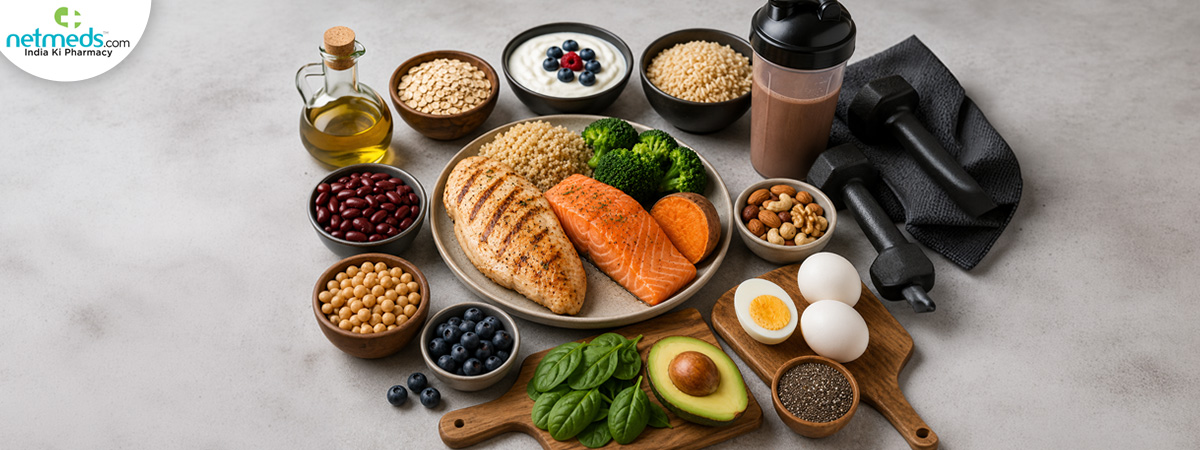
Best Foods for Recovery Nutrition
Eggs are rich in complete protein that contains all nine essential amino acids, which stimulate muscle repair.
Greek Yogurt offers protein, calcium, and probiotics that support muscle and gut health.
Salmon is rich in omega-3 fatty acids that reduce inflammation and support muscle recovery.
Chicken Breast is an excellent lean protein source for rebuilding muscle tissue.
Paneer contains slow-digesting casein protein, ideal for overnight muscle recovery.
Lentils and beans are amazing plant-based protein sources rich in iron and fibre.
Bananas offer carbohydrates and potassium to replenish energy and prevent muscle cramps.
Sweet Potato is a good source of complex carbohydrates that restore glycogen stores.
Oats offer slow-release carbohydrates and fibre for sustained energy.
Blueberries, strawberries, and blackberries provide antioxidants that combat oxidative stress.
Nuts and Seeds are abundant in healthy fats, magnesium, fiber, and protein.
Milk offers both whey and casein proteins, making it an excellent recovery beverage.
Sample Indian Post-Workout Meal Plan
Time Meal
Immediately after a workout, water and a banana
Within 30–60 minutes: 1 serving (150 grams) of Grilled chicken with ¾ cup of brown rice and vegetables
Vegetarian option: 1 serving (150 grams) of Paneer bhurji with 2 multigrain rotis
Snack: Yoghurt with berries
Evening: Nut trail mix (30 grams) and fruit
Dinner: 1 katori of Dal, ¾ cup of quinoa, 1 bowl of vegetable stir-fry, and 1 cup of curd
Also Read: 5 Superb Ways To Build Lean Muscle Mass
Foods to Avoid After Exercise
Certain foods may slow recovery. Fatty foods slow down digestion.
Avoid:
Sugary Foods
Cakes
Pastries
Candy
Sugary beverages
Fried Foods
French fries
Fried chicken
Pakoras
Alcohol impairs muscle protein synthesis, delays recovery, and increases dehydration.
Highly processed foods provide little nutritional value.
Examples include:
Instant noodles
Chips
Processed meats
Excessively spicy foods may cause digestive discomfort immediately after intense exercise.
Soft drinks are high in sugar, loaded with empty calories, and low in nutrients.
When Should You Eat After Exercise?
Experts recommend consuming a balanced meal within 30–60 minutes after exercise.
However, recovery nutrition throughout the next 24 hours is equally important.
Can Supplements Help Recovery?
While whole foods should be your primary source of nutrition, supplements can be beneficial when dietary intake is insufficient.
Common recovery supplements include:
Whey protein
Casein protein
Creatine monohydrate
Branched-chain amino acids (BCAAs) (benefit is limited if total protein intake is adequate)
Omega-3 fatty acids
Electrolyte supplements
Always consult a healthcare professional or registered dietitian before starting supplements.
Frequently Asked Questions
What Is Recovery Nutrition?
Recovery nutrition involves eating the right nutrients after exercise to repair muscles, replenish energy stores, and support overall recovery.
Which Nutrient Is Most Important For Muscle Recovery?
Protein is essential for repairing muscle fibres, while carbohydrates help restore glycogen stores. Both are important for optimal recovery.
What Should I Eat After A Workout?
A balanced meal with protein and carbohydrates, such as grilled chicken with brown rice, paneer with whole-wheat roti, or Greek yoghurt with fruit, is ideal.
Conclusion
Recovery nutrition is a key component of any fitness routine. By consuming the right balance of protein, carbohydrates, healthy fats, fluids, and micronutrients after exercise, you can accelerate muscle repair, reduce soreness, replenish energy stores, and support long-term muscle growth.
References:
Muscle Recovery and Nutrition
Alberto Caballero-García 1,*, Alfredo Córdova-Martínez 2,*
https://pmc.ncbi.nlm.nih.gov/articles/PMC9230724/
https://www.frontiersin.org/journals/sports-and-active-living/articles/10.3389/fspor.2024.1413822/full
 Previous