Ensuring proper oral care for kids is one of the most important steps in building a lifetime of healthy habits. Strong teeth and healthy gums not only help children chew food properly but also support clear speech, confidence, and overall well-being.
However, many parents struggle with getting their children to brush regularly, avoid sugary snacks, or follow a proper dental routine. The good news is that with a few simple strategies, you can make oral hygiene fun, effective, and easy to maintain.
In this detailed guide, we explore 5 essential tips for kids’ oral care, along with expert-backed insights to help prevent cavities and maintain bright, healthy smiles.

Why Is Oral Care Important For Kids?
Children’s teeth are more vulnerable to cavities due to thinner enamel and still-developing hygiene habits. Poor oral care can lead to tooth decay, gum infections, pain while eating, and even long-term dental complications.
Establishing a proper oral hygiene routine early ensures that children develop strong teeth, healthy gums, and disciplined habits that last into adulthood.
Also Read: Tooth Decay: Causes, Risks. Steps To Maintain Good Oral Hygiene
5 Expert Tips For Healthy Teeth And Gums
Teaching Proper Brushing Technique
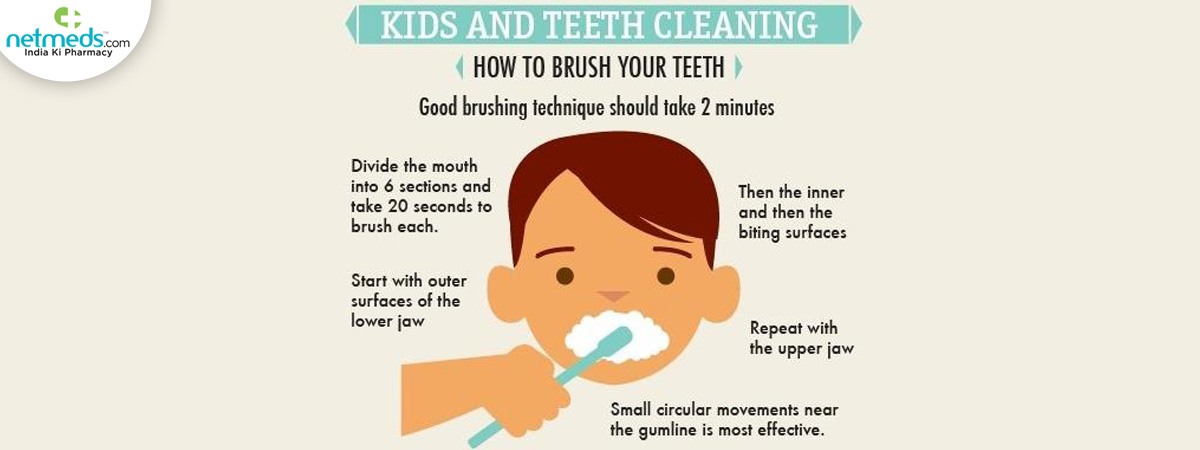
Brushing is the foundation of good oral hygiene, but simply brushing is not enough; technique matters. Children should be taught to brush twice a day for at least two minutes using a soft-bristled toothbrush. Gentle circular motions are more effective and safer than aggressive scrubbing, which can damage gums and enamel.
Parents should supervise brushing until the child is around 6–7 years old to ensure proper technique. Making brushing fun with colourful toothbrushes or a short song can help children stay consistent.
Choose The Right Toothpaste
Selecting the right toothpaste plays a key role in protecting your child’s teeth. Fluoride toothpaste is recommended as it helps strengthen enamel and prevent cavities, but it should be used in age-appropriate amounts.
For children under 3 years, a rice-sized smear is sufficient, while kids above 3 years can use a pea-sized amount. It is also important to teach children to spit out toothpaste rather than swallow it to avoid excessive fluoride intake.
Limit Sugary Foods And Drinks
Sugar is one of the leading causes of tooth decay in children. Frequent consumption of sugary snacks, candies, chocolates, and beverages like sodas or packaged juices can significantly increase the risk of cavities.
Parents should encourage healthier eating habits by offering fruits, nuts, and home-prepared snacks. Drinking water after meals helps wash away food particles and reduces acid buildup in the mouth. Sticky foods should be limited as they tend to cling to teeth for longer periods, increasing the chances of decay.
Make Flossing A Daily Habit
Flossing is often overlooked in children’s oral care routines but is essential for maintaining healthy gums and teeth. It helps remove food particles and plaque from areas where a toothbrush cannot reach, especially between teeth.
Flossing should begin once a child’s teeth start touching each other. Parents can initially assist their children and use kid-friendly floss picks to make the process easier and more engaging. Regular flossing reduces the risk of gum disease and promotes better oral hygiene.
Schedule Regular Dental Check-Ups
Routine dental visits are crucial for monitoring your child’s oral health and detecting potential issues early. Dentists can identify cavities, alignment concerns, and gum problems before they become serious.
It is recommended to schedule dental check-ups every six months and begin visits as early as the child’s first year. Regular visits also help children become comfortable in a dental setting, reducing fear and anxiety over time.
Tips For Better Kids’ Oral Health
Encourage rinsing the mouth after meals
Replace toothbrush every 3 months
Avoid sharing utensils to prevent bacteria transfer
Use mouthwash only if recommended by a dentist
Common Mistakes Parents Should Avoid
Skipping nighttime brushing
Giving sugary drinks before bedtime
Not supervising brushing
Ignoring early signs of cavities
Conclusion
Building strong oral care habits early in life can prevent numerous dental problems in the future. With consistent care, proper guidance, and regular dental check-ups, children can enjoy healthy teeth, strong gums, and confident smiles.
References:
- American Academy of Pediatric Dentistry (AAPD) – Oral Health Guidelines
- Centers for Disease Control and Prevention (CDC) – Children’s Oral Health
- World Health Organization (WHO) – Oral Health Fact Sheet
 Previous