Turmeric, the golden spice obtained from the rhizome of Curcuma longa, has been an integral part of the traditional Indian system of medicine and culinary uses for ages. Several pieces of evidence have strongly highlighted its potent anti-inflammatory, antioxidant and metabolic traits that have been associated with its bioactive compound curcumin. While turmeric can be consumed both raw and as a powder, studies reveal that the form in which it is consumed has a significant influence on the amount of curcumin absorbed and its effectiveness.
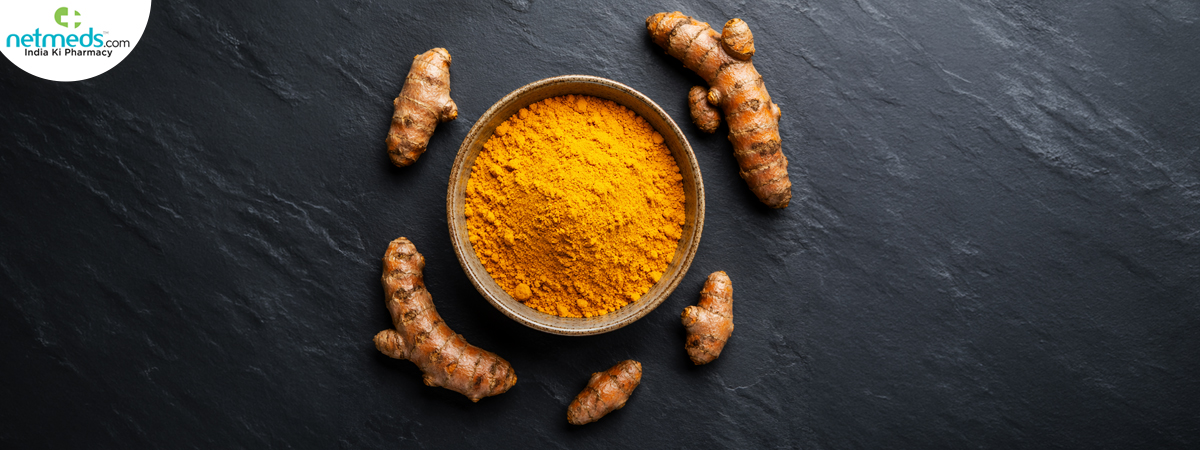
Raw turmeric root contains fiber and some nutrients, but has low bioavailability, impeding the body's ability to utilise curcumin. While turmeric powder, when cooked with water, healthy sources of fats, or mixed with black pepper, can significantly increase curcumin absorption, making it a more effective and science-backed way to reap the benefits of this spice.
This article compares turmeric root vs turmeric powder: its benefits, uses, side effects and the right one to choose from.
Raw Turmeric And Turmeric Root Health Benefits
Raw turmeric contains fresh oils and natural bioactive compounds that may help digestion, ease inflammation and promote overall gut health. On the other hand, turmeric powder offers a concentrated source of curcumin, which is associated with improved immune and joint health. Both these deliver antioxidant, anti-inflammatory and overall wellness benefits, with turmeric powder more convenient to use and raw turmeric offering richer, unprocessed plant nutrients.
Raw Turmeric Benefits
Raw turmeric root is edible in small amounts and used widely for culinary purposes. Several studies reveal that raw turmeric contains the same bioactive compounds as turmeric powder, such as curcumin, essential oils and polyphenols. However, the absorption and bioavailability of these compounds are much lower in raw turmeric.
Studies reveal that curcumin is poorly soluble in water and has limited absorption in the intestine when consumed raw.
Also Read: Turmeric 5 Splendid Wellness Incentives Of This Wonder Spice
Rich in Fiber
Raw turmeric contains dietary fibre, which supports gut microbiome balance and smooth digestion. The fibrous structure of raw turmeric does not promote curcumin absorption.
Low availability and strong, earthy taste of raw turmeric are unlikely to offer holistic wellness when consumed in regular dietary amounts.
Turmeric Powder And Its Benefits
Turmeric powder is made by drying and pounding turmeric rhizomes in concentrated or high-potency forms. Research suggests that heat processing, which occurs during drying and cooking, remarkably improves the bioavailability of curcumin and other plant compounds.
Improved Bioavailability
Several pieces of evidence have disclosed that curcumin becomes more readily bioavailable when turmeric is cooked with fats or consumed with black pepper, which contains piperine and boosts its absorption. Also, the powdered form is a more effective way to easily deliver curcumin to the human body.
Fresh Turmeric Root Uses
Fresh turmeric root can be added to:
Herbal tea
Soups
Turmeric Powder Uses
Turmeric powder is commonly used for both culinary and medicinal purposes:
Curries
Vegetable preparations
Golden milk
Spice blends
Marinades
Dietary supplements
Also Read: White Turmeric 5 incredible Health Reasons To Add This Spice To Your Diet Plan
Which Form Contains More Curcumin?
Since turmeric powder is dehydrated, it contains a higher concentration of curcumin per gram than fresh turmeric. However, the body naturally absorbs curcumin poorly.
To Improve Absorption:
Add a pinch of black pepper; piperine promotes curcumin absorption.
Consume turmeric with healthy fats such as ghee, coconut oil, or olive oil.
Side Effects of Turmeric
Turmeric is generally safe when consumed in culinary amounts. However, excessive intake may cause digestive problems such as tummy upset, nausea, diarrhoea, acid reflux and bloating.
Rarely, high doses may increase the risk of kidney stones in susceptible individuals because turmeric contains oxalates.
Who Should Be Careful?
Consult a healthcare provider before taking high-dose turmeric supplements if you:
Are pregnant or breastfeeding
Have gallbladder problem
Have kidney stones
Have bleeding disorders
Are scheduled for surgery
Take blood-thinning medications
Take diabetes medications
Which Is Better: Turmeric Root or Turmeric Powder?
The best choice depends on your needs.
Choose fresh turmeric root if you:
Prefer minimally processed foods
Enjoy fresh juices and smoothies
Want a vibrant, natural flavour
Choose turmeric powder if you:
Cook regularly
Prefer easy and convenient use
Want a more concentrated source of curcumin
Prefer a longer shelf life
For regular households, using both forms can provide the best balance of freshness, convenience, and nutritional value.
Frequently Asked Questions
Is Fresh Turmeric Better Than Turmeric Powder?
Fresh turmeric contains more vitamin C and natural oils, while turmeric powder offers a higher concentration of curcumin and is more convenient for everyday use. Both are healthy choices.
Can I Replace Fresh Turmeric With Turmeric Powder?
Yes. Approximately 1 inch of fresh turmeric root can be replaced with ½–1 teaspoon of turmeric powder, depending on the recipe.
Which Form Of Turmeric Has More Curcumin?
Turmeric powder contains more curcumin per gram because the water has been removed during drying.
Does Cooking Destroy Turmeric's Nutrients?
Cooking may slightly reduce some heat-sensitive compounds, but curcumin remains relatively stable during normal cooking. Cooking turmeric with healthy fats and black pepper may improve its absorption.
Conclusion
Both fresh turmeric root and turmeric powder deliver amazing health benefits and can be valuable additions to a wholesome meal regimen. Fresh turmeric provides natural freshness, essential oils, and vitamin C, while turmeric powder delivers convenience, longer shelf life, and a higher concentration of curcumin. To reap the maximum benefits of both varieties, add both forms into your meal. Pairing turmeric with black pepper and a healthy source of fats maximises curcumin absorption.
References:
Impacts of turmeric and its principal bioactive curcumin on human health: Pharmaceutical, medicinal, and food applications: A comprehensive review
Mohamed T El-Saadony 1,†, Tao Yang 2,*,†, Sameh A Korma 3, Mahmoud Sitohy 4, Taia A Abd El-Mageed 5, Samy Selim 6, Soad K Al Jaouni 7, Heba M Salem 8, Yasser Mahmmod 9, Soliman M Soliman 10, Shaimaa A A Mo’men 11, Walid F A Mosa 12, Nahed A El-Wafai 1, Hamed E Abou-Aly 13, Basel Sitohy 14,15, Mohamed E Abd El-Hack 16, Khaled A El-Tarabily 17,18,19,*, Ahmed M Saad 4
https://pmc.ncbi.nlm.nih.gov/articles/PMC9881416/
https://www.sciencedirect.com/science/article/pii/S1756464621000414
 Previous