Navratri brings devotion, celebration, Garba, Dandiya, and for many, fasting. But what if your period shows up during the festival? Can you still fast, or is it better to skip it?
Periods usually bring blood loss, cramps, fatigue, headaches, bloating, mood swings, and changes in appetite. Fasting, on the other hand, shifts your meal times, cuts calories, limits hydration, and can change how much nutrition you get overall.
Also Read: Navratri 2025: Top 5 Health Benefits Of Fasting And How To Sustain The Positive Changes

So, can you fast on your period? Honestly, it depends. If you are healthy, have a regular cycle, and generally feel well, you might be able to manage a reasonable fast. But if you tend to have heavy bleeding, feel weak or dizzy, have serious pain, anaemia, certain medical issues, or if you struggle to eat or drink enough during your fast, it might not be the best idea.
Right now, there isn’t enough research to give a one-size-fits-all answer about fasting during your period. Everyone’s experience is a little different.
Also Read: Navaratri Vrat/ Fasting Guide: Significance and Healthy Food Ideas for Boosting Energy
A quick note: This isn’t medical advice. If you have any health conditions, like heavy periods, anaemia, diabetes, kidney issues, an eating disorder, are pregnant or breastfeeding, or take medication talk to your doctor before fasting.
Fasting During Your Period: Is It Okay?
Some women find fasting during menstruation manageable as long as they stay hydrated and don’t feel too unwell. But your body’s needs increase when you are on your period, especially if bleeding is heavy. Menstruation is a big reason women become iron deficient. And a strict fast can make it tough to get enough iron, protein, calories, or other crucial nutrients.
Instead of only asking “Can I fast while on my period?” it helps to ask, “Can I fast while still giving my body everything it needs to function properly?”
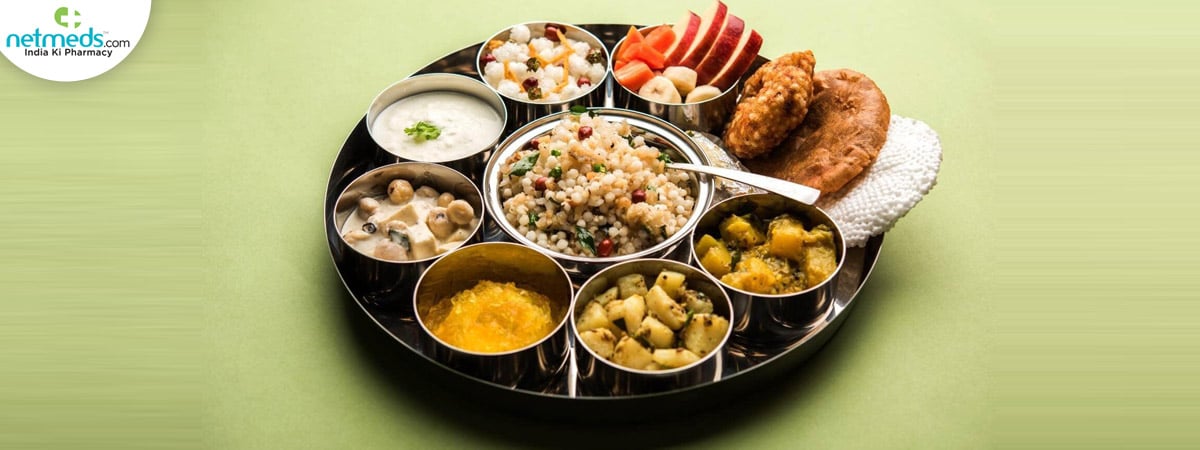
7 Navratri Fasting Tips If You Are Menstruating
Listen to Your Energy Levels
Periods can make you more tired. If you cut down on food too much, fatigue can really set in. Don’t force yourself through a fast if you start feeling weak, dizzy, shaky, faint, or unable to keep up with your usual activities. Your body needs fuel, especially if you are out dancing, exercising, or doing a lot.
Focus on Iron-Rich Foods
Losing blood means losing iron, especially during heavy periods. Your body needs iron to make haemoglobin, which carries oxygen. Try adding fasting-friendly iron sources like amaranth (rajgira), pumpkin seeds, sesame seeds (if allowed), nuts, small portions of dried fruits, permitted greens like spinach, or fortified foods (depending on your fasting rules). Pair plant-based iron with fruits rich in vitamin C for better absorption. Don’t start popping iron supplements without medical advice, ask your doctor if you are concerned.
Stay Hydrated
Fasting and periods both make hydration even more important, especially if you are out for prayers, Garba, or Pandal visits. If your fast allows liquids, drink water steadily during permitted hours instead of loading up on tea, coffee, or sugary drinks. You might need more fluids if you are sweating, active, or it is hot outside. Hormonal shifts during your cycle can also affect your body’s water balance.
Choose Nutrient-Dense Foods
It is easy to fill up on fried potatoes, sabudana fritters, chips, and sweets, but those don’t offer the nutrients your body needs right now. Instead, mix it up with fruits, vegetables, makhana, rajgira, kuttu, singhara flour, nuts, seeds, milk or yoghurt, paneer, and moderate portions of sabudana. What you are allowed to eat depends on your family or tradition, so customize as needed.
Don’t Rely Just on Sugar for Energy
When you are tired, sugary food or drinks call your name. But they only give you a quick spike, not lasting energy. Go with a mix instead: pair carbs with protein or healthy fats. Try fruit with yoghurt or a handful of nuts. There is no magic food to wipe out all menstrual symptoms, but balanced meals help more than sugar highs.
Adjust Your Activity Based on How You Feel
Navratri is full of physical activity, Garba and Dandiya, especially. If you are fasting and menstruating and start feeling off, lower your workout intensity. Maybe swap the running for stretching, gentle walking, or yoga. Studies show regular exercise can help with period pain, but listen to your body instead of pushing past your limits.
Don’t Brush Off Heavy Periods
If you lose a lot of blood during your period, be extra cautious about fasting. Signs of iron deficiency include exhaustion, feeling weak, and poor physical stamina. Talk to a doctor before fasting if you soak through pads or tampons quickly, pass big clots, miss daily activities because of bleeding, feel wiped out, dizzy, or breathless, or have a history of anaemia.

Who Needs Extra Caution When Fasting During Periods?
Fasting during your period can be riskier if:
You have anaemia or iron deficiency: It is harder to meet your needs on a strict fast.
You have diabetes: Fasting impacts blood sugar and medication. Don’t make changes without professional input.
You have PCOS: Research is ongoing. Some see benefits to intermittent fasting, but there is no clear answer, so ask your doctor.
You are pregnant or breastfeeding: Your body’s needs are different. Fasting should only happen if your doctor says it is okay.
You have or had an eating disorder: Restriction can be harmful, so get professional advice.
When Should You Break Your Fast?
Your health comes first. Stop fasting and see a doctor if you faint, keep feeling dizzy, get confused, feel extremely weak, have chest pain, can’t catch your breath, keep vomiting, or get very dehydrated. Heavy bleeding with weakness or breathlessness is also a red flag.
Does Fasting Affect Your Menstrual Cycle?
Fasting and your period are a complicated relationship. Some research says fasting could help metabolism or even menstrual symptoms in some women (like those with PCOS or higher body weight). Other studies aren’t so sure, and we need more long-term evidence. There is no guarantee Navratri fasting will change your period for better or worse. Your body’s response depends on how strict your fast is, how much nutrition you are getting, your general health, and more.
Conclusion
Getting your period during Navratri doesn’t mean you have to skip fasting, but you do have to pay closer attention to how you feel and what your body needs, especially energy, iron, water, and nutrition overall. If fasting feels okay and you are eating and drinking enough, keep going. But if you get weak, dizzy, exhausted, or just can’t function like you usually do, it is okay to pause.
If you have heavy periods, medical conditions like anaemia or diabetes, or if you are pregnant, breastfeeding, or have other health concerns, check with your doctor before fasting.
Navratri is about devotion and celebration, but that should always include looking after your own health too.
References:
Effects of Intermittent Fasting on Female Reproductive Function: A Review of Animal and Human Studies — PubMed, 2024
Intermittent Fasting in Female Reproduction: A Double-Edged Sword — PubMed, 2026
Effect of Intermittent Fasting on Reproductive Hormone Levels in Females and Males: A Review of Human Trials — PubMed, 2022
Impact of Time-Restricted Eating on Reproductive Hormones and Androgen Markers in Adult Females: A Systematic Review — PubMed, 2026
Nutritional Practices to Manage Menstrual Cycle-Related Symptoms: A Systematic Review — PubMed, 2024
Fluid Balance and Hydration Considerations for Women: Review and Future Directions — PubMed, 2020
Iron Deficiency Anemia: Impact on Women's Reproductive Health — PubMed, 2022
A Contemporary Understanding of Iron Metabolism in Active Premenopausal Females — PubMed, 2022
Physical Activity for Primary Dysmenorrhea: A Systematic Review and Meta-Analysis of Randomized Controlled Trials — PubMed, 2018
Efficacy and Safety of Therapeutic Exercise for Primary Dysmenorrhea: A Systematic Review and Meta-Analysis — PubMed, 2025
 Previous