


When the monsoon arrives, children are often excited about jumping into puddles, enjoying rainy day snacks and spending more time indoors with friends and family. But the rainy season can also bring an increase in respiratory illnesses and other infections. For parents, this means paying extra attention to flu prevention for kids during monsoon.
Crowded indoor spaces, close contact with other children, inadequate ventilation and frequent exposure to respiratory viruses can make it easier for infections to spread. Flu is caused by influenza viruses and can lead to fever, cough, sore throat, body aches, tiredness and other symptoms. Young children, particularly those under 5 years, may be at increased risk of complications from influenza.
The good news? You don't need an elaborate routine to protect your child. A few consistent habits involving vaccination, hand hygiene, respiratory etiquette, good nutrition, adequate sleep and staying home when sick can go a long way.
Here are seven practical ways to help keep your little one healthier during the rainy season.
(To Boost Your Immune System And Fight Seasonal Flu, Buy From Our Wide Range Of Health Supplements!)
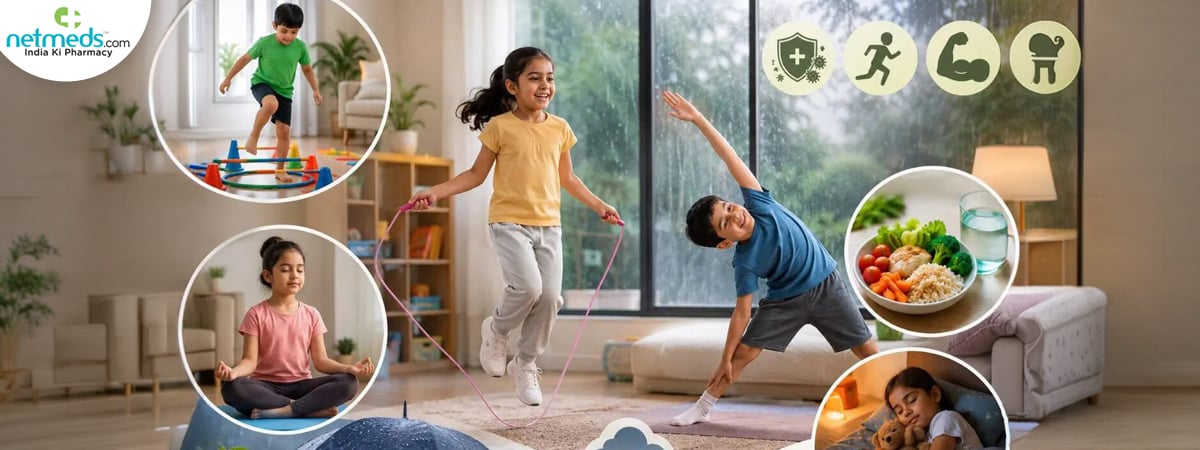
Why Are Children More Prone to Infections During Monsoon?
It is a common misconception that getting wet in the rain directly causes flu. Influenza is caused by influenza viruses, not by rain or cold weather itself.
However, monsoon conditions can encourage situations where respiratory viruses spread more easily. Children spend considerable time in schools, daycare centres and other shared indoor environments, where close contact can facilitate transmission.
Influenza viruses primarily spread through respiratory droplets and smaller particles released when an infected person coughs, sneezes, talks or breathes. People can also become infected after touching contaminated surfaces and then touching their mouth, nose or eyes.
Children can therefore benefit from learning simple, repeatable habits that reduce their exposure to respiratory viruses.
Also Read: Diet To Manage Seasonal Flu: Best Foods To Eat And Avoid For Faster Recovery

7 Simple Flu Prevention Tips for Kids During Monsoon
Keep Your Child's Flu Vaccination Up to Date
One of the most important steps in flu prevention for children is annual influenza vaccination.
The flu vaccine is designed to reduce the risk of influenza illness and its complications. Because influenza viruses continually change and protection can decrease over time, seasonal influenza vaccination is recommended annually for people for whom vaccination is recommended by their healthcare provider or national guidelines.
For children, vaccination schedules can vary according to age, previous vaccination history and local recommendations. Parents should therefore speak with their child's paediatrician about the appropriate influenza vaccine and schedule.
Why vaccination matters?
Flu vaccination can:
Reduce the risk of influenza infection
Lower the likelihood of severe illness
Reduce influenza-related hospitalisation
Help protect vulnerable family members
It is important to remember that flu vaccination does not protect against every respiratory virus. Children can still develop common colds and other infections, but vaccination specifically helps protect against influenza.
Teach Children Proper Hand Hygiene
Children touch almost everything, from school desks and toys to door handles, playground equipment and their own faces.
That is why hand hygiene for kids is an important part of infection prevention.
Teach your child to wash their hands with soap and clean running water:
Before eating
After using the toilet
After returning home from school or outdoors
After coughing, sneezing or blowing their nose
After touching potentially contaminated surfaces
Before touching food
The U.S. Centers for Disease Control and Prevention recommends washing hands with soap and water for at least 20 seconds. If soap and water aren't readily available, an alcohol-based hand sanitiser containing at least 60% alcohol can be used when appropriate.
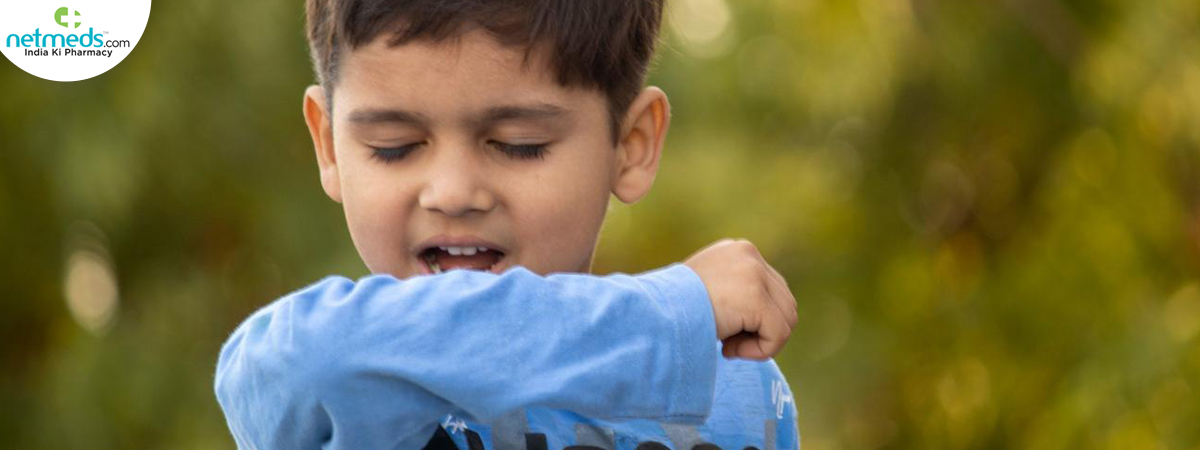
Teach Kids to Cover Their Coughs and Sneezes
Children often cough or sneeze into their hands, especially when they are distracted.
Instead, teach them to cover their mouth and nose with a tissue or the inside of their elbow when coughing or sneezing.
If they use a tissue, it should be thrown away immediately, followed by handwashing.
This simple habit can help reduce the spread of respiratory droplets and infectious particles.
A simple rule for children:
"Cough into your elbow, not your hands."
Parents and teachers can reinforce the same message so that children hear it consistently at home and school.
Encourage a Balanced, Nutrient-Rich Diet
A healthy immune system requires adequate nutrients. However, there is no single food or supplement that can guarantee immunity against flu.
Instead of focusing on ‘immunity-boosting’ products, offer children a varied diet containing:
Protein-rich foods
Eggs
Fish
Chicken
Dal
Beans
Paneer
Curd
Vitamin-rich fruits and vegetables
Guava
Oranges
Papaya
Berries
Carrots
Spinach
Other seasonal vegetables
Whole grains and healthy carbohydrates
Oats
Brown rice
Whole-wheat roti
Millets
Other minimally processed grains
Healthy fats
Nuts
Seeds
Nut butters
Avocado
Vegetable oils in appropriate amounts
Adequate nutrition supports normal immune function, but giving children megadoses of vitamins or supplements without medical advice isn't necessary and can sometimes be harmful.
Make Sure Your Child Gets Enough Sleep
Sleep isn't just important for keeping children energetic, it also plays a role in immune health.
Children have different sleep requirements depending on their age. The American Academy of Sleep Medicine recommends:
Infants 4–12 months: 12–16 hours per day, including naps
Children 1–2 years: 11–14 hours, including naps
Children 3–5 years: 10–13 hours, including naps
Children 6–12 years: 9–12 hours
Teenagers 13–18 years: 8–10 hours
During monsoon, when rainy weather may encourage more indoor screen time, maintaining a consistent bedtime routine becomes even more important.
Try these sleep-friendly habits:
Maintain a consistent bedtime
Keep screens away before bedtime
Make the bedroom comfortable and quiet
Avoid heavy meals immediately before bed
Encourage relaxing bedtime routines
Adequate sleep supports overall health and may help the body maintain normal immune function.
Keep Sick Children at Home
If your child develops flu-like symptoms, sending them to school can potentially expose classmates and teachers to the infection.
Common influenza symptoms can include:
Fever
Cough
Headache
Muscle or body aches
Fatigue
Chills
Some children may also experience vomiting or diarrhoea.
If your child is sick, allow them to rest at home and follow your paediatrician's advice.
Don't rush them back to school
Children should be well enough to participate in normal activities before returning to school or daycare. Follow your school's illness policy and local public-health guidance.
Keeping an unwell child home isn't just about their recovery, it can also help reduce transmission to other children.
Improve Ventilation and Avoid Crowded Indoor Spaces
Good ventilation can help reduce the concentration of respiratory virus particles indoors.
During the monsoon, windows may remain closed because of heavy rain. Whenever weather and safety conditions permit, improve airflow by opening windows or doors or using appropriate ventilation systems.
Parents can also be mindful of prolonged stays in poorly ventilated, crowded indoor spaces, particularly when respiratory infections are circulating.
This doesn't mean children need to stay indoors all season. Outdoor play, when weather conditions permit, can be a wonderful way for children to stay physically active.
Don't Forget These Everyday Monsoon Hygiene Habits
Flu prevention isn't limited to influenza itself. During the rainy season, children can encounter several types of infections.
Parents can also encourage these habits:
Keep wet clothes and shoes dry
Change out of wet clothes after coming home and dry shoes properly before wearing them again.
Avoid sharing personal items
Encourage children not to share water bottles, utensils, towels or handkerchiefs.
Keep frequently touched surfaces clean
Regularly clean commonly touched household surfaces, especially when someone at home is sick.
Encourage adequate hydration
Offer water regularly throughout the day. Children may not always recognise thirst, particularly when the weather is cool and rainy.
Keep indoor spaces clean and dry
Good household hygiene can make the home environment more comfortable and reduce exposure to various pathogens.
What If Your Child Gets the Flu?
Even with good preventive habits, children can still become infected.
If your child develops flu-like symptoms, focus on:
Adequate rest
Plenty of fluids
Comfortable clothing
Monitoring temperature and symptoms
Following the paediatrician's recommendations
Do not give antibiotics unless prescribed by a doctor. Influenza is caused by a virus, so antibiotics do not treat uncomplicated influenza.
Antiviral medicines may be recommended for some children, particularly those at increased risk of complications, and they work best when started early. A healthcare professional can determine whether antiviral treatment is appropriate.
When Should Parents Seek Medical Help?
Most children recover from influenza without complications, but flu can sometimes become serious.
Seek prompt medical attention if your child develops warning signs such as:
Difficulty breathing
Fast breathing
Bluish or grey lips or face
Persistent or worsening symptoms
Severe weakness or unusual sleepiness
Seizures
Chest pain
Symptoms that improve but then become significantly worse
Very young children and children with certain underlying medical conditions may have a higher risk of complications and may require closer monitoring.
For infants younger than 3 months, a fever warrants prompt medical evaluation. Parents should seek medical advice rather than relying on home treatment alone.
Can Rain or Getting Wet Cause Flu?
No. Getting wet in the rain does not itself cause influenza.
Flu is caused by influenza viruses. However, rainy weather may influence people's behaviour, for example, spending more time indoors and in close proximity to others, which can facilitate the spread of respiratory viruses.
So instead of telling children, "Don't get wet or you will catch the flu," focus on habits that actually reduce infection risk:
Vaccination
Cough Etiquette
Ventilation
Staying Home When Sick
Can Vitamin C Prevent Flu in Children?
Vitamin C is essential for normal immune function, but taking extra vitamin C does not guarantee that a child won't get influenza.
The best approach is to provide children with a varied diet containing fruits and vegetables rather than routinely giving high-dose supplements.
If your child has a diagnosed nutritional deficiency or their doctor recommends supplementation, follow the prescribed dose.
Should Parents Give Immunity-Boosting Supplements?
Be cautious about products marketed as "immunity boosters" for children.
Children generally don't need multiple supplements if they are eating a varied, balanced diet. Some vitamins and minerals can be harmful in excessive amounts.
Before giving a child herbal preparations, multivitamins, zinc, vitamin D or other supplements specifically to prevent flu, speak with a paediatrician.
Food, sleep, vaccination and hygiene should form the foundation of your child's infection-prevention routine.
Frequently Asked Questions
How can I prevent flu in my child during monsoon?
The most effective measures include recommended influenza vaccination, good hand hygiene, respiratory etiquette, avoiding close contact with sick people, improving ventilation and keeping sick children at home.
Does getting wet in rain cause flu in children?
No. Influenza is caused by influenza viruses, not by rainwater or getting wet. However, indoor crowding and close contact can facilitate respiratory virus transmission.
What are the symptoms of flu in children?
Common symptoms include fever, cough, sore throat, headache, body aches, chills and fatigue. Some children may also experience vomiting or diarrhoea.
Should children take vitamin C supplements during monsoon?
Children need vitamin C for normal health and immune function, but routine high-dose supplementation isn't necessary for most children. A balanced diet containing fruits and vegetables is preferable unless supplementation is medically advised.
Can a child go to school with flu?
A child with significant flu-like symptoms should generally stay home and follow medical and school guidance to reduce transmission and allow recovery.
Conclusion
Flu prevention for kids during monsoon doesn't require complicated measures.
Start with the basics: keep recommended vaccinations up to date, teach children proper hand hygiene, encourage them to cover coughs and sneezes, provide nutritious meals, prioritise adequate sleep and keep sick children at home.
Most importantly, don't assume that every rainy-season fever or cough is "just the weather." Influenza and other respiratory infections can sometimes become serious, particularly in young children and those with underlying health conditions.
With simple preventive habits and timely medical care when needed, parents can help their children navigate the monsoon healthier, safer and more comfortably.
References:
For a health article, these evidence-based resources are useful for supporting the recommendations above:
1.CDC — Flu and Children
Information on influenza symptoms, complications, prevention and vaccination in children
2.CDC — How Flu Spreads
Explains how influenza viruses spread and how respiratory hygiene can reduce transmission.
3.CDC — Preventing Seasonal Flu
Evidence-based recommendations for reducing the risk of influenza infection.
4.CDC — Handwashing
Guidance on when and how children and adults should wash their hands.
5.American Academy of Sleep Medicine — Recommended Sleep Duration
Consensus recommendations for sleep duration in children and adolescents.
 Previous