With the sweltering heat sucking out your energy all day during the summer season, the arrival of the monsoon seems like a much-awaited respite from the heat. Monsoon season also brings in a set of new challenges for your health. Seasonal flu, digestive issues, infections and poor energy levels are common sights during rainy months.
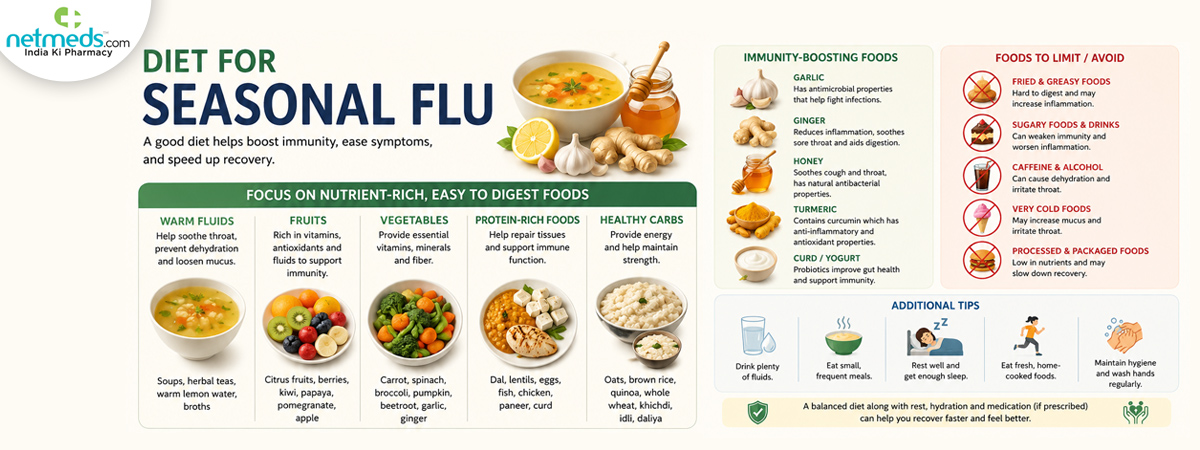
The body is not just handling a change in weather. It is dealing with a shift in immune response, a slower digestive system, and increased exposure to bacteria and viruses. This is when diet plays a vital role, and making smart dietary modifications can help you keep your digestion running smoothly and maintain stable energy levels.
Let us dive into this article to explore some seasonal foods that doctors recommend adding to your daily meals to keep those monsoon-season woes away.
To Boost Your Immune System And Fight Seasonal Flu, Buy From Our Wide Range Of Health Supplements
What Is Seasonal Flu?
Seasonal flu is a contagious respiratory illness caused by influenza viruses. It spreads through respiratory droplets when an infected person coughs, sneezes, or talks.
Common Symptoms Of Seasonal Flu
Sore throat
Runny or blocked nose
Persistent cough
Headache
Muscle and body aches
Fatigue and weakness
Loss of appetite
Since the flu can reduce appetite and increase fluid loss through fever and sweating, maintaining proper nutrition becomes especially important.
Why Does Diet Matter During Seasonal Flu?
The immune system needs adequate nutrients to produce infection-fighting cells and antibodies. A balanced diet during the flu can help:
Build a robust immune defence
Reduce inflammation
Prevent dehydration
Soothe sore throat and congestion
Support gut health
Speed up recovery
Minimise fatigue and weakness
Also Read: Seasonal Illness: 6 Best Supplements For Immunity and To Fight Cold During Winter
Best Foods To Eat During Seasonal Flu
Warm Soups And Broths
Chicken soup has long been considered a natural remedy for colds and flu. Warm soups help keep you hydrated while providing essential nutrients.
Benefits:
Loosens mucus and relieves congestion
Soothes sore throat
Provides electrolytes and protein
Easy to digest
Best options:
Chicken soup
Vegetable broth
Lentil soup
Clear bone broth
Also Read: Seasonal Flu: Causes, Symptoms, and Dietary Solutions To Combat This Illness
Citrus Fruits
Vitamin C-rich fruits support immune function and help reduce the duration and severity of infections.
Best Citrus Fruits:
Oranges
Sweet lime (mosambi)
Lemons
Grapefruit
Tangerines
Ginger
Ginger contains powerful anti-inflammatory and antioxidant compounds that may help relieve nausea, sore throat, and congestion.
Ways To Consume:
Ginger tea
Ginger-infused warm water
Fresh ginger added to soups
Garlic
Garlic contains allicin, a compound known for its antimicrobial and immune-supporting properties.
Benefits:
May help fight infections
Supports immune function
Add crushed garlic to soups, curries, and broths for maximum benefits.
Yogurt And Probiotic Foods
A healthy gut contributes to a strong immune system. Probiotic-rich foods help maintain a healthy balance of gut bacteria.
Good Sources:
Yogurt
Curd
Kefir
Fermented vegetables
Choose unsweetened varieties to avoid excess sugar.
Protein-Rich Foods
Protein is essential for repairing tissues and producing immune cells.
Best Protein Sources:
Eggs
Fish
Chicken
Lentils
Beans
Tofu
Opt for easily digestible preparations such as soups, stews, and soft-cooked meals.
Leafy Green Vegetables
Green vegetables provide vitamins A, C, and E, and antioxidants that support immunity.
Best Choices:
Spinach
Kale
Fenugreek leaves
Amaranth greens
Cook them lightly to retain nutrients while making them easier to digest.
Bananas
Bananas are gentle on the stomach and provide quick energy during illness.
Benefits:
Easy to digest
Rich in potassium
Helps replace lost electrolytes
They are especially useful when the appetite is low.
Turmeric
Turmeric contains curcumin, known for its anti-inflammatory and antioxidant effects.
How To Include:
Turmeric milk
Herbal teas
Soups and curries
Honey
Honey can soothe a sore throat and help reduce coughing.
Benefits:
Natural antimicrobial properties
Soothes throat irritation
Provides quick energy
Mix a teaspoon of honey in warm water or herbal tea.
Importance Of Hydration During Flu
Dehydration is a common concern during seasonal flu, particularly when fever is present.
Best Fluids To Consume
Water
Coconut water
Herbal teas
Warm lemon water
Oral rehydration solutions (ORS)
Clear soups and broths
Aim to drink fluids regularly throughout the day, even if you do not feel thirsty.
Foods To Avoid During Seasonal Flu
Certain foods may worsen symptoms, increase inflammation, or slow recovery.
Sugary Foods And Drinks
Excess sugar may suppress immune function and increase inflammation.
Avoid:
Soft drinks
Packaged fruit juices
Candies
Cakes and pastries
Fried And Oily Foods
These foods are difficult to digest and can aggravate fatigue and digestive discomfort.
Processed Foods
Packaged snacks often contain excess sodium, unhealthy fats, and additives with minimal nutritional value.
Alcohol
Alcohol contributes to dehydration and may weaken immune responses.
Excessive Caffeine
Too much coffee or caffeinated beverages may worsen dehydration and interfere with restful sleep.
Sample Meal Plan For Seasonal Flu Recovery
Early Morning
Warm water with lemon and honey
Breakfast: Oatmeal with banana or 2-3 Idlis with thin sambar
Oatmeal with banana or 2-3 Idlis with thin sambar
Ginger tea or Masala tea
Mid-Morning: Orange or sweet lime
Lunch: Vegetable soup
Soft rice with lentil curry
Steamed vegetables
Evening Snack: Yogurt with a small fruit serving
Dinner: Chicken soup or lentil soup
Soft, cooked vegetables
Rasam rice or idiyappam
Bedtime: Warm turmeric milk
Frequently Asked Questions
What Foods Help Fight Seasonal Flu?
Foods rich in vitamin C, protein, antioxidants, and probiotics, such as citrus fruits, yogurt, garlic, ginger, leafy greens, and soups, can help support the immune system during the flu.
Is Chicken Soup Good for the Flu?
Yes. Chicken soup provides hydration, protein, vitamins, and minerals while helping relieve nasal congestion and soothe a sore throat.
Which Fruit Is Best During Flu?
Oranges, sweet lime, kiwi, strawberries, and bananas are excellent choices due to their vitamin C content, hydration benefits, and easy digestibility.
Can I Drink Milk During Flu?
Most people can safely consume milk during the flu. Warm milk with turmeric may even provide soothing and anti-inflammatory benefits.
How Much Water Should I Drink When I Have the Flu?
Fluid needs vary, but drinking enough water, soups, herbal teas, and electrolyte-rich beverages to maintain hydration is essential during flu recovery.
Conclusion
A balanced, nutrient-dense diet can play a vital role in managing seasonal flu and supporting faster recovery. Focus on warm fluids, immune-supporting foods such as citrus fruits, garlic, ginger, turmeric, leafy greens, and protein-rich foods while avoiding sugary, processed, and fried foods. Combined with proper hydration, rest, and medical care, healthy eating habits can help your body fight infection more effectively and restore overall wellness.
References;
Seasonal Influenza: A Narrative Review of Epidemiology, Clinical Features, and Preventive Strategies
https://journals.lww.com/md-journal/fulltext/2022/11180/porridge_for_influenza__protocol_for_a_systematic.109.aspx
 Previous