Every year on May 5, the world comes together to observe World Hand Hygiene Day, a global reminder that something as simple as washing your hands can save millions of lives.
In our fast-paced lives, we often overlook this basic habit. Yet, our hands come in contact with countless germs daily, on phones, door handles, currency, and even food. Without proper hygiene, these invisible microbes can easily enter our body and trigger infections.
The good news? A simple 20-second handwashing routine can dramatically reduce your risk of illness and improve overall health.
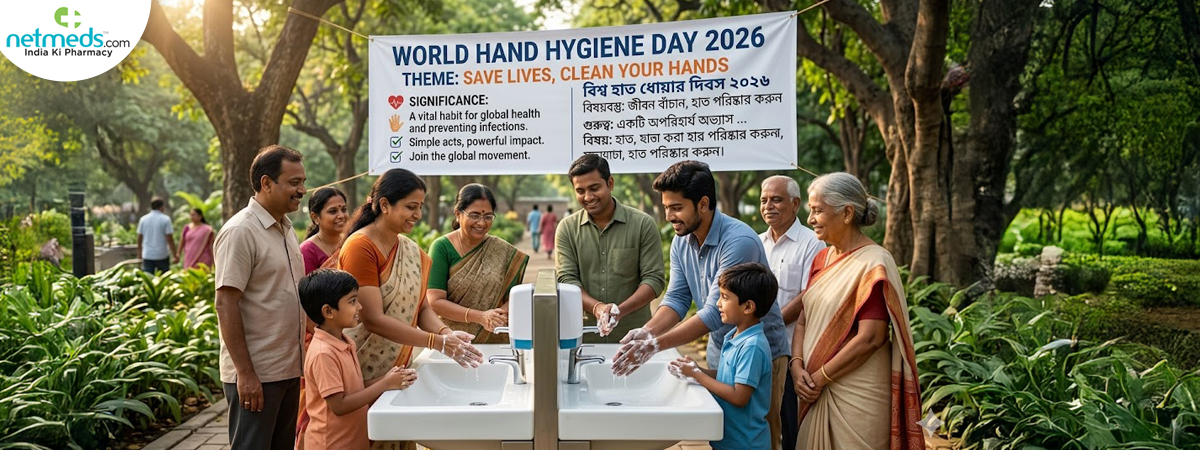
World Hand Hygiene Day 2026 Theme
The 2026 campaign theme highlights a powerful message: taking timely action can protect lives. It focuses on strengthening infection prevention practices by making hand hygiene a core part of national health strategies and improving how compliance is tracked.
A key message this year also stresses that wearing gloves does not replace clean hands. Even when gloves are used, maintaining proper hand hygiene remains essential to stop the spread of infections.
In simple terms, the campaign encourages people and healthcare systems alike to stay proactive because consistent hygiene habits are a frontline defense against disease.
Also Read: Global Handwashing Day 2023: Theme, Significance. Ways To Promote Hand Hygiene In Schools
Shop From Our Wide Range of Hygiene Essentials To Keep Yourself Away From Deadly Pathogens!
Why Is Hand Hygiene So Important?
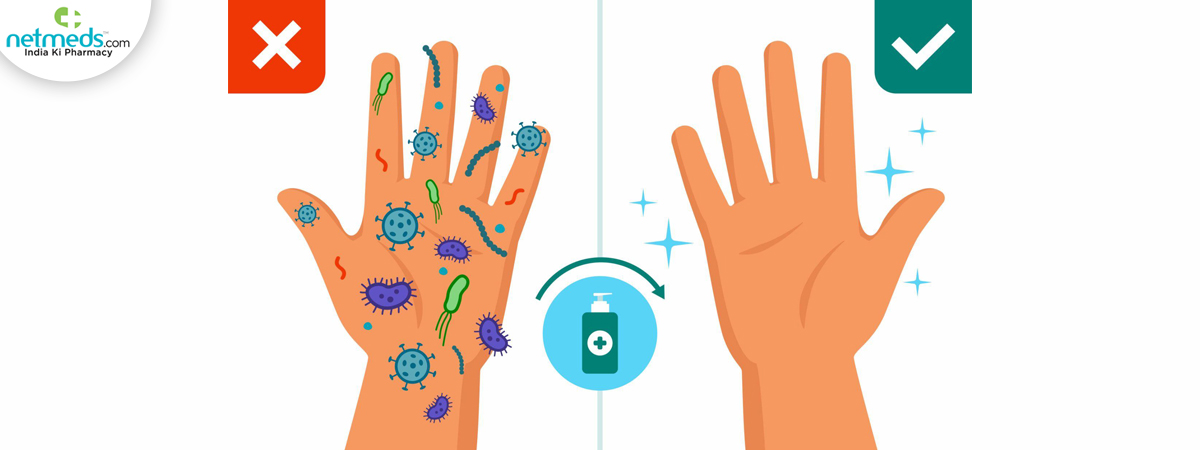
Hand hygiene is one of the most effective ways to prevent infections. According to global health experts like the World Health Organization, proper handwashing can significantly reduce the spread of bacteria and viruses.
Key Benefits:
Prevents the spread of infectious diseases
Protect vulnerable populations like children and the elderly
Reduces healthcare-associated infections
Promotes overall well-being and immunity
Top 5 Diseases You Can Prevent With Proper Handwashing
Diarrheal Diseases
Diarrheal infections spread through contaminated food, water, or unclean hands carrying bacteria like E. coli.
Symptoms include loose stools, cramps, and dehydration.
Proper handwashing before meals and after restroom use significantly lowers infection risk.
Respiratory Infections (Cold and Flu)
Colds and flu spread when viruses transfer from surfaces to your hands and then to your face.
Common symptoms include cough, sore throat, and fever.
Frequent handwashing helps break the chain of infection effectively.
COVID-19 and Viral Infections
COVID-19 spreads via droplets and contaminated surfaces touched by hands.
Symptoms include fever, cough, fatigue, and loss of taste or smell.
Handwashing with soap destroys viruses and reduces transmission risk.
Food Poisoning
Food poisoning occurs when bacteria from unclean hands contaminate food during preparation.
It can cause nausea, vomiting, and stomach cramps.
Washing hands before handling food helps prevent harmful bacteria spread.
Eye and Skin Infections
Touching your face with dirty hands can lead to infections like conjunctivitis or skin issues.
Symptoms include redness, irritation, and rashes.
Clean hands reduce the transfer of germs to sensitive areas like eyes and skin.
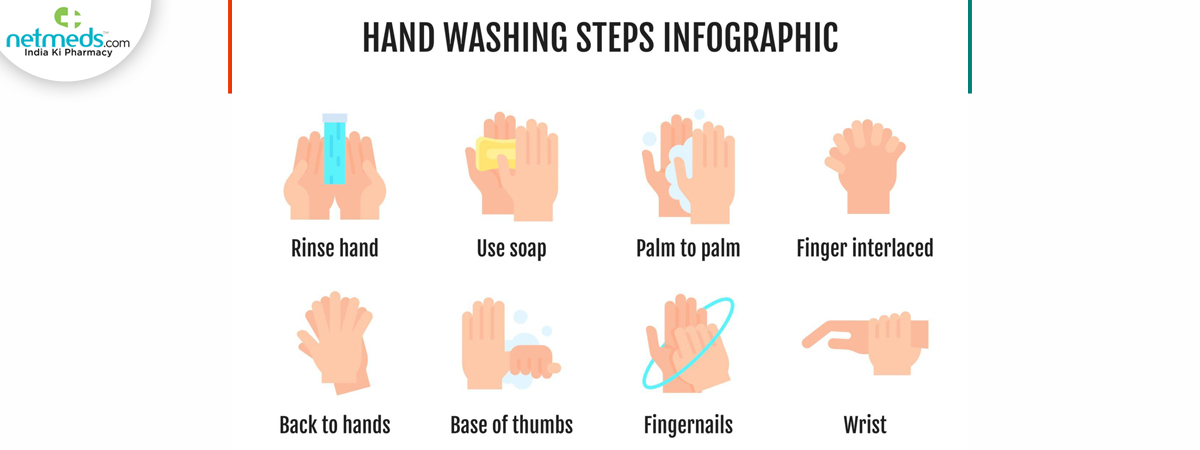
Correct Handwashing Technique (Step-by-Step)
Follow these simple steps for effective handwashing:
Wet your hands with clean water
Apply soap and lather well
Scrub all surfaces (palms, back, between fingers, nails)
Continue for at least 20 seconds
Rinse thoroughly and dry with a clean towel
Simple Tips To Maintain Hand Hygiene Daily
Wash hands before eating and after using the restroom
Carry a hand sanitizer when outside
Avoid touching your face unnecessarily
Keep nails short and clean
Teach children proper hygiene habits early
Common Mistakes To Avoid
Washing hands too quickly
Skipping soap
Ignoring fingertips and nails
Relying only on gloves
Not washing hands after coughing or sneezing
Conclusion
On World Hand Hygiene Day 2026, the message is clear, small actions can have life-saving consequences. Proper hand hygiene is not just a personal habit; it is a collective responsibility.
By making handwashing a consistent part of your daily routine, you can protect yourself, your family, and your community from preventable diseases.
References:
 Previous