There is something quietly fascinating about herbs that have been part of Indian households for generations yet remain unfamiliar to many people today. Sugandhbala, also known as Hrivera, Balaka, Netrabala, or Fragrant Swamp Mallow, is one such herb. Its roots carry a pleasant fragrance, while its traditional reputation centres on cooling the body, supporting digestion, easing fever-related discomfort, and helping with urinary and inflammatory concerns.
(Be in the pink fo health with our wide range of ayurvedic formulations today!)
In Ayurveda, Sugandhbala is valued as a Sheetala (cooling) and aromatic herb. Modern research also reports anti-inflammatory, antimicrobial, antioxidant, and antipyretic potential, although most findings are preliminary and should not replace medical treatment.
What Is Sugandhbala?
Sugandhbala is the common name for Pavonia odorata Willd., a fragrant medicinal plant belonging to the Malvaceae family, the same botanical family as hibiscus and cotton. It is native to India and is traditionally used in Ayurveda, Siddha, and folk medicine.
The name itself reflects its character: Sugandha means fragrance, and bala relates to strength or a herb with balancing properties. The plant is especially known for its aromatic roots, which are used in herbal formulations, traditional perfumery, and remedies for heat, fever, digestive upset, and bleeding disorders.
Sugandhbala Synonyms
Sanskrit: Hrivera, Balaka, Netrabala, Sugandhabala
Hindi: Sugandhbala
English: Fragrant Swamp Mallow
Botanical name: Pavonia odorata Willd.
Family: Malvaceae
Plant Description
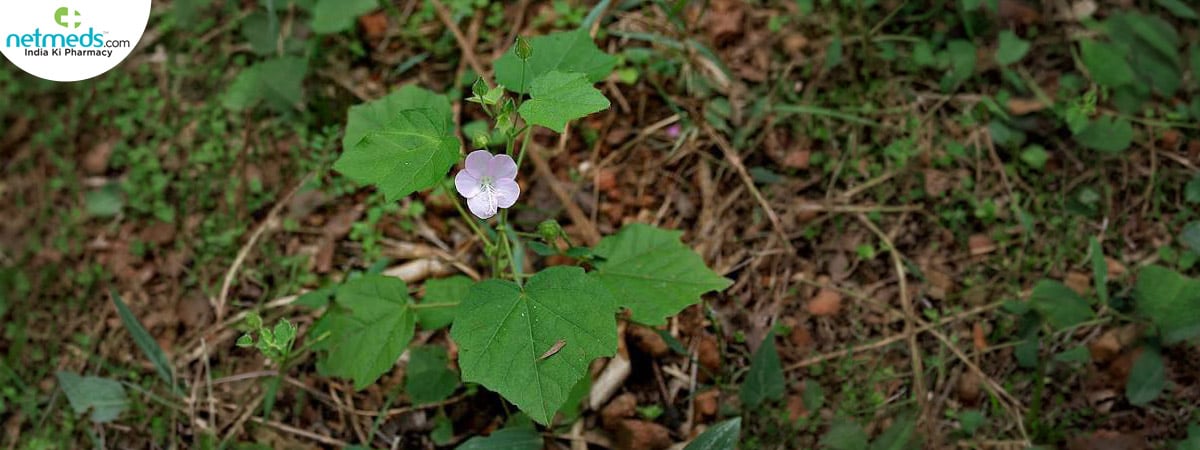
Sugandhbala is generally described as an erect, branched, softly hairy perennial herb. It commonly grows around 45–90 cm tall, though some descriptions note plants reaching up to about 1 metre in favourable conditions.
Leaves: The leaves are alternate, ovate to heart-shaped, and usually around 5–10 cm long, with a slightly rough or hairy texture.
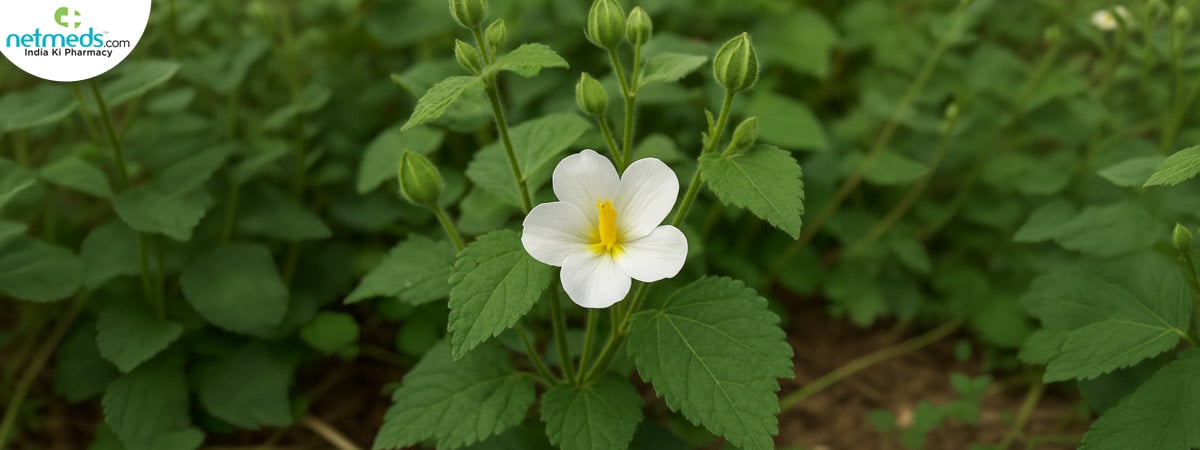
Flowers: The plant produces attractive pale pink to whitish flowers, often with a darker centre and prominent stamens.
Stems: Stems are pubescent, meaning they are covered with fine soft hairs.
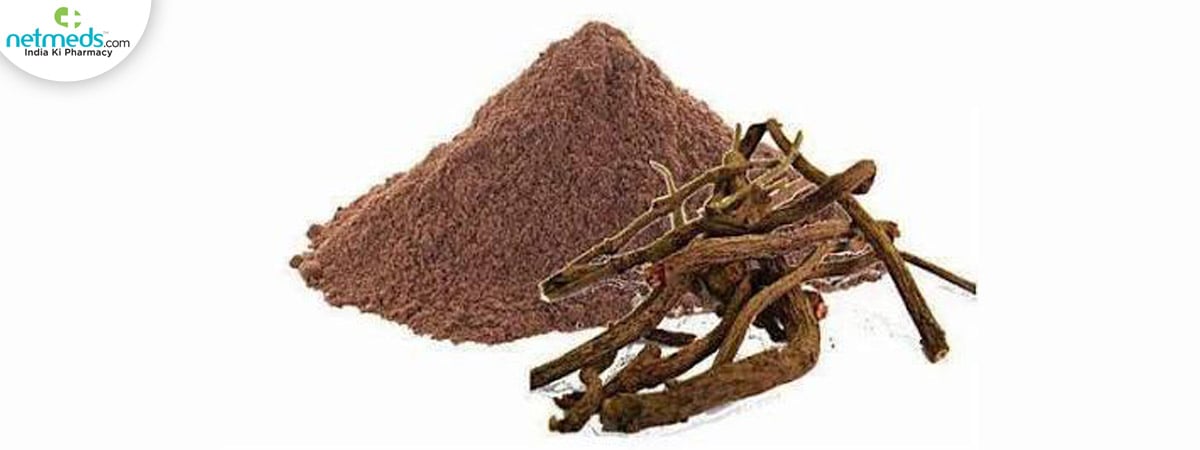
Roots: The roots are the most valued part. They are aromatic, fibrous, and used in powders, decoctions, and infusions. Their fragrance has also made them useful in traditional perfumery, including preparations associated with henna.
Where Does It Grow?
Sugandhbala is found across the Indian subcontinent and in neighbouring regions, including Sri Lanka and Myanmar. It typically grows in plains, open areas, and moist or swampy habitats, which explains one of its English names, “fragrant swamp mallow.”
Medicinal Qualities of Sugandhbala
Sugandhbala has been traditionally used as a cooling, demulcent, carminative, diaphoretic, and diuretic herb. In simple terms, it is believed to soothe irritation, reduce excess heat, support digestion, promote sweating during fever, and encourage urine flow.
Traditional systems have used it for fever, burning sensations, excessive thirst, diarrhoea, dysentery, stomachache, ulcers, vomiting, skin irritation, inflammation, and certain bleeding disorders.
Research reviews report preliminary evidence for anti-inflammatory, antimicrobial, antifungal, antioxidant, antiulcer, antidiabetic, and anticancer activities. However, these findings mostly come from laboratory or animal studies, so they are promising but not proof that Sugandhbala can treat these conditions in humans.
Sugandhbala Ayurvedic Properties
In Ayurveda, Sugandhbala is mainly regarded as a cooling and aromatic herb. Its traditional properties are commonly described as follows:
Ayurvedic Property Traditional Interpretation
Rasa (taste): Sweet and bitter
Guna (quality): Light and unctuous
Virya (potency): Cooling (Sheeta)
Vipaka (post-digestive effect): Sweet
Dosha action: Helps pacify Pitta; may also support Vata balance
Prabhab (Main actions): Refrigerant, astringent, digestive, diuretic, febrifuge, and tonic
Its cooling nature makes it especially relevant in Ayurvedic management of Pitta imbalances, conditions involving heat, burning, acidity, inflammation, excessive thirst, or skin irritation.
10 Amazing Health Benefits of Sugandhbala
Reduces Fever and Body Heat
Sugandhbala has long been used as a traditional febrifuge, meaning a remedy believed to help manage fever. Its diaphoretic action may support sweating, which traditional practitioners consider helpful during certain febrile conditions.
It is also described as a refrigerant herb, meaning it may create a cooling sensation in the body. This is why it has been traditionally considered in cases of burning sensation, heat exhaustion-like discomfort, and excessive thirst.
Also Read: Viral Fever: 5 Incredible Natural Herbs To Combat Viral Fever
Supports Digestive Comfort
The roots are traditionally used for stomachache, indigestion, nausea, vomiting, bloating, and loss of appetite. Sugandhbala is considered carminative and stomachic, which means it may help reduce gas and support digestive function.
A decoction made from the root has been traditionally used for acidity, indigestion, bloating, and nausea. Its demulcent quality may also help soothe irritated digestive tissues.
ALso Read: 5 Herbs For A Healthy Digestive System
Treats Diarrhoea and Dysentery
Sugandhbala is traditionally used in diarrhoea and dysentery because of its astringent and demulcent properties. Astringent herbs may help reduce excessive intestinal secretions, while demulcent herbs may provide a soothing effect.
However, diarrhoea can quickly cause dehydration, especially in children, older adults, and people with chronic illness. Persistent diarrhoea, blood in stool, high fever, or signs of dehydration require prompt medical care rather than self-treatment.
Improves Urinary Health
As a diuretic herb, Sugandhbala has been traditionally used to encourage urine production and support urinary comfort. This makes it relevant in traditional approaches to burning urination, urinary heat, and mild urinary discomfort.
Its cooling action is particularly valued in Ayurveda for Pitta-type urinary complaints, where burning sensation and heat are prominent. Still, painful urination, blood in urine, or recurrent urinary infections should be evaluated by a doctor.
Calms Inflammation
Sugandhbala has been traditionally prescribed for inflammation, and laboratory studies have reported anti-inflammatory activity. This has led to its traditional use in conditions involving swelling, irritation, and joint discomfort.
In folk and Ayurvedic practice, the root has also been used for rheumatic complaints. While this is encouraging, human clinical trials are limited, so it should be viewed as a supportive herb rather than a substitute for prescribed treatment.
Augments Skin Health
Traditional medicine uses Sugandhbala for skin eruptions, itching, burning sensations, ulcers, and certain inflammatory skin conditions. Its cooling and demulcent nature makes it suitable in Ayurvedic approaches to heat-related skin irritation.
It has also been mentioned in traditional use for herpes and vitiligo-like conditions, but these are complex medical concerns. Anyone with a persistent, spreading, painful, or infected skin condition should seek dermatological advice.
Manages Bleeding Tendencies
Sugandhbala is traditionally regarded as an astringent and has been used in combination with other herbs for haemorrhage, including intestinal bleeding and excessive menstrual bleeding.
This traditional use should be handled carefully. Unexplained bleeding, heavy periods, blood in stool or urine, or bleeding with weakness requires urgent medical assessment. Herbal remedies should never delay diagnosis or treatment of significant bleeding.
Promotes Heart Functions
Classical and traditional sources mention Sugandhbala in heart-related complaints, and some research reviews note cardiovascular activity in preliminary studies. It has also been traditionally described as a strengthener and tonic.
That said, heart disease requires proper medical evaluation and treatment. Sugandhbala may be considered as a complementary wellness herb only with guidance from a qualified practitioner, especially if you take blood-pressure or heart medicines.
Also Read: Heart Health: Add These 5 Powerful Herbs For Optimal Cardiac Function
Regulates Blood Sugar
Some preliminary studies have explored the antidiabetic potential of Pavonia odorata root extracts. Research reviews also list antidiabetic activity among its reported pharmacological actions.
This does not mean Sugandhbala can replace diabetes medication. If you have diabetes, monitor your blood sugar regularly and speak with your doctor before using it, because combining herbs with glucose-lowering medicines may increase the risk of low blood sugar.
Offers Antioxidant and Antimicrobial Support
A pile of brown Ayurvedic herbal powder next to a bundle of dried brown roots.
Sugandhbala contains aromatic phytoconstituents and has been studied for antioxidants, antibacterial, and antifungal properties. These actions may help explain some of its traditional uses in infections, skin problems, and inflammatory conditions.
Antioxidants help the body manage oxidative stress, while antimicrobial activity may support the body’s natural defence mechanisms. However, laboratory activity does not automatically translate into clinical effectiveness in people.
How to Use Sugandhbala?
Sugandhbala is most commonly used in the form of root powder, hot infusion, or decoction. The root is the principal medicinal part, although leaves and aerial parts may also be used in traditional preparations.
Common Traditional Preparations
Root powder: Traditionally taken with water, honey, or as directed by an Ayurvedic practitioner.
Hot infusion: Leaves or aerial parts are steeped in hot water and used for fever, heat, and burning sensations.
Decoction: Roots are boiled in water and strained; traditionally used for digestive discomfort and heat-related complaints.
External use: In some traditions, it is used in pastes or washes for skin irritation, though this should be done cautiously and under guidance.
Sugandhbala Dosage
Traditional Ayurvedic references commonly suggest the following general ranges for adults:
Common Traditional Dosage
Root powder 3–6 g per day
Hot infusion 40–80 ml per day
Decoction 3–5 g of root, prepared as a decoction
These dosages are drawn from traditional Ayurvedic references and may vary depending on age, body constitution, health condition, and the specific formulation.
Important: Do not exceed the recommended amount, and consult an Ayurvedic doctor or healthcare professional before starting Sugandhbala, particularly if you are pregnant, breastfeeding, taking medicines, or managing a chronic illness.
Side Effects of Sugandhbala
Sugandhbala is generally considered gentle when used appropriately in traditional practice, but like many herbs, it can cause side effects in some people, especially when taken in excess or without guidance.
Possible side effects may include:
Stomach upset, nausea, or abdominal discomfort
Loose stools, particularly with higher doses
Allergic reactions such as itching, rash, or swelling in sensitive individuals
Excessive cooling effects in people with very weak digestion or a predominantly cold constitution
Possible interactions with diabetes, blood-pressure, diuretic, or blood-thinning medicines
There is limited high-quality human safety data for Pavonia odorata, so it is sensible to begin with a low dose and stop use if any unusual reaction occurs.
Sugandhbala Precautions
Pregnancy and breastfeeding: Avoid self-medication; use only under qualified medical or Ayurvedic supervision.
Children: Do not give herbal doses to children without professional advice.
Chronic illness: Consult a doctor if you have kidney, liver, heart, autoimmune, or bleeding disorders.
Medicines: Be cautious if you take antidiabetic drugs, diuretics, anticoagulants, blood-pressure medicines, or anti-inflammatory drugs.
Surgery: Stop herbal supplements before planned surgery only if your surgeon or anaesthetist advises it.
Quality matters: Buy from a reputable source, as misidentification, contamination, or adulteration can be a concern with herbal products.
Do not self-treat serious symptoms: High fever, dehydration, blood in stool or urine, severe abdominal pain, chest pain, or unexplained bleeding requires medical attention.
Conclusion
Sugandhbala (Pavonia odorata) is a fragrant Ayurvedic herb with a long history of use as a cooling, soothing, and balancing remedy. Its aromatic roots have traditionally been used for fever, digestive discomfort, urinary heat, inflammation, skin irritation, and bleeding-related concerns.
Modern research is beginning to explore its anti-inflammatory, antimicrobial, antioxidant, and antidiabetic potential, but more human studies are needed before strong medical claims can be made.
Used responsibly and under professional guidance, Sugandhbala can be a valuable addition to a traditional wellness routine, but it should complement, not replace, appropriate medical care.
Frequently Asked Questions
What is Sugandhbala used for?
Sugandhbala is traditionally used for fever, burning sensation, excessive thirst, indigestion, nausea, diarrhoea, urinary discomfort, inflammation, skin irritation, and certain bleeding disorders.
Is Sugandhbala the same as Bala?
No. Bala usually refers to Sida cordifolia, while Sugandhbala or Hrivera refers to Pavonia odorata. They are different herbs, although both are used in Ayurveda.
Which part of Sugandhbala is used?
The roots are the most commonly used part, especially in powder, decoction, and infusion form. Leaves and aerial parts may also be used traditionally.
Can Sugandhbala be taken daily?
Traditional references mention 3–6 g of powder daily for adults, but daily long-term use should be guided by an Ayurvedic practitioner or doctor.
Is Sugandhbala safe during pregnancy?
It is best to avoid self-use during pregnancy and breastfeeding because safety data are limited. Consult a qualified healthcare professional first.
References:
Volatile Composition and Antioxidant Activity of Pavonia odorata Essential Oil — PubMed
https://pubmed.ncbi.nlm.nih.gov/24441709/
Investigates the aromatic compounds and antioxidant potential of the plant’s volatile oil.pubmed.ncbi.nlm.nih
The Anticancer Potential of Pavonia odorata Willd. Extract — Pharmacognosy Journal
https://phcogj.com/sites/default/files/10.5530pj.2016.1.6.pdf
Examines the anticancer potential of Pavonia odorata extracts in laboratory research.
Pharmacognostic and Phytochemical Evaluation on the Whole Plant of Pavonia odorata Willd. — International Journal of Research and Reviews
https://www.ijrrjournal.com/IJRR_Vol.8_Issue.8_Aug2021/IJRR049.pdf
Studies the plant’s botanical identity, phytochemical profile, and traditional medicinal uses.ijrrjournal
In Vitro Study on Pavonia odorata Roots for Anthelmintic Activity — Research Journal of Pharmacology and Pharmacodynamics
Evaluates alcoholic and aqueous root extracts for worm-expelling activity.rjppd
Evaluation of Antidiabetic Activity from the Root Extracts of Pavonia odorata* — International Journal of Pharmaceutical Sciences and Research
http://www.ijpsi.org/Papers/Vol4(5)/K045046052.pdf
Explores the potential blood-sugar-lowering activity of the plant’s roots.
Pavonia odorata Willd: A Review — World Journal of Pharmacy and Pharmaceutical Sciences
https://storage.googleapis.com/innctech/wjpps/article_issue/1612768806.pdf
A review of the plant’s traditional uses, phytochemistry, and pharmacological actions.
Therapeutic Effects and Ethnobotany of Pavonia odorata: A Review — Journal of Basic and Clinical Research
http://jbcr.co.in/Current_Issue/Volume%2042%20December%202025/8.%20Pavonia-Review%2076-88.pdf
Reviews the plant’s ethnobotanical importance, root uses, and therapeutic potential.
Pavonia Species as a Source of New Drugs: A Review — Química Nova
https://www.scielo.br/j/qn/a/8xscMD76YXvL5F59WzCYRdd/?lang=en
Reviews pharmacological activities across the Pavonia genus, including anti-inflammatory, antimicrobial, antidiabetic, and antioxidant effects.jbcr.co
Green-Synthesized ZnO Nanoparticles from Pavonia odorata Extract — Discover Nano
https://link.springer.com/article/10.1007/s44174-025-00566-0
Studies antioxidant, antibacterial, antifungal, anti-inflammatory, and anticancer activities of nanoparticles prepared using Pavonia odorata extract.scielo
Pharmacognostic and Phytochemical Evaluation of Pavonia odorata* — Academia.edu research paper
Focuses on the whole-plant evaluation and medicinal relevance of Pavonia odorata.
 Previous