


Sudden breakouts on sensitive skin or an oily T-zone? Perhaps your skincare routine needs an ingredient you haven't explored yet. It can be a touch of Heartleaf extract! Scientifically known as Houttuynia cordata, heartleaf is a Korean skincare favourite owing to its soothing and skin-calming properties. From refreshing toners and lightweight serums to nourishing moisturisers, this plant is a go-to ingredient in skincare formulations, particularly for sensitive and acne-prone skin. Packed with beneficial plant compounds, heartleaf supports healthier, clearer-looking skin.
But is heartleaf worth the hype? Let's explore this Korean skincare ingredient: what does heartleaf do for your face, its uses, and necessary precautions.
Also Read: Niacinamide: Uses, Skin Healing Benefits, And Side Effects Of This Wonder Ingredient
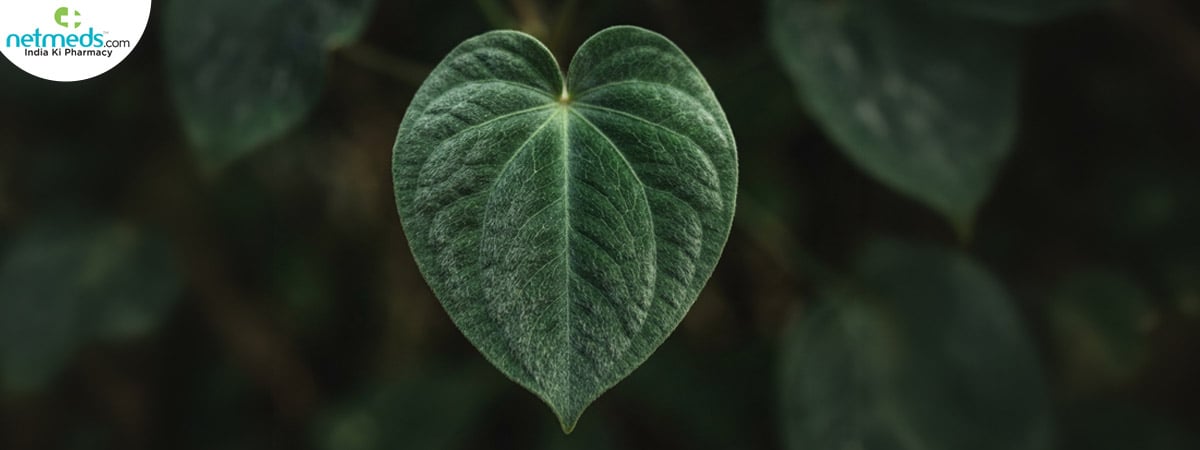
What Is Heartleaf (Houttuynia Cordata) in Skincare?
Heartleaf is a leafy green plant with distinctive heart-shaped leaves, pointed tips, and delicate veins. It typically has small white flowers and a fresh, aromatic appearance, and is also called fish mint or chameleon plant has been used in Asian countries for a long time. With history of traditional use in China, Korea and Japan. Its extracts contain compounds, such as flavonoids and other plant substances that show antioxidant and anti‑inflammatory effects in laboratory studies. Does heartleaf really help the skin? Research looks promising. There are still few human skin trials. Below is what you need to know about its benefits, uses, side effects, and how to add it to your routine.
7 Potential Benefits of Heartleaf For Skin
Heartleaf is especially popular in products for people who experience redness, excess oil, or sensitive skin. Its possible benefits include:
Soothes Irritated Skin
One of the reasons heartleaf is used in skincare is its potential soothing effect. This has led to its use in calming toners, essences and moisturisers. Such products may help make a skincare routine feel more comfortable for people who get occasional skin irritation. However, heartleaf should not be seen as a treatment for eczema, rosacea, or other inflammatory skin conditions.
Has Antioxidant Properties For Skin Repair
The skin is exposed to environmental stressors, like ultraviolet (UV) radiation and pollution. These factors can cause stress, a process that involves unstable molecules called free radicals that may damage skin cells. Heartleaf contains flavonoids and other plant compounds that can help counter stress. Although this makes heartleaf a cosmetic ingredient, it cannot replace sunscreen or other proven methods for protecting the skin from environmental damage.
Fights Acne-Related Skin Problems
Heartleaf is often included in skincare products marketed for blemish‑prone skin. Its extracts contain anti‑inflammatory properties that work against certain microorganisms associated with skin, including Cutibacterium acnes, a bacterium linked to acne.
May Help Reduce the Appearance of Redness
Skin redness can happen because of irritation, environmental exposure, or inflammatory responses. Heartleaf’s potential anti‑inflammatory properties have made it popular in products designed for skin that looks temporarily red or feels uncomfortable. A suitable formulation may make a skincare routine feel gentler.
Supports The Skin Barrier
The skin barrier is the protective layer that helps keep moisture in and protects the skin from external irritants. When this barrier is weak the skin may become dry, sensitive, or easily irritated. Some experimental research with Houttuynia cordata extracts suggests antioxidant effects in skin cells and potential benefits for skin‑barrier‑related processes. Heartleaf‑based moisturisers and serums may therefore be useful as part of a skincare routine.
Promotes An Even‑Looking Skin Tone
Some research has explored the effect of heartleaf compounds on melanin production, the natural pigment responsible for skin colour. Skin care products with heartleaf as a key ingredient can fade pigmentation, dark spots, or melasma in people.
May Complement A Gentle Skincare Routine
Heartleaf is often included in Korean skincare formulations, including water‑based toners, essences, and serums. These products can provide a layer of hydration or skin conditioning depending on their complete formulation. For people who prefer skincare routines, a heartleaf product may be an option to explore. Its usefulness depends on the ingredients, formulation quality, and how well the product suits an individual’s skin.
How to Use Heartleaf in Your Daily Skincare Routine?
Heartleaf is available in cosmetic formulations. You can choose a product according to your skin type, preferences,s and existing routine.
Morning Routine
· Cleanse your face with a cleanser.
· Apply a heartleaf toner or essence if you wish to use one.
· Follow with a moisturiser.
· Finish with a broad‑spectrum sunscreen of SPF 30 or higher.
Evening routine
· Remove makeup and sunscreen, en then cleanse your face.
· Apply a heartleaf serum or toner according to the product instructions.
· Use a moisturiser to help maintain skin hydration.
· You do not need to use heartleaf products together. Start with one product.
· Observe how your skin responds.
If you already use ingredients such as retinoids, salicylic acid, or benzoyl peroxide,e introduce new products gradually. Heartleaf does not make these ingredients automatically safer or prevent irritation from them.
Also Read: Ceramides: Discover The Surprising Beauty Benefits Of This Fatty Acid
Side Effects and Precautions
Heartleaf is used in formulations, but natural ingredients are not automatically suitable for everyone. People with skin problems, known allergies, es or highly reactive skin should consult a dermatologist before introducing it. Possible concerns include:
Skin irritation: Some people may experience redness, itching, burning, or discomfort after applying a heartleaf* product.
Allergic reactions: Individuals sensitive to the plant or other ingredients in the formulation may develop a reaction.
Formulation sensitivity: Some products contain fragrance, essential oils, alcohol, or additional active ingredients that may irritate.
Unproven homemade applications: Applying raw plant extracts or homemade preparations to the face can cause irritation or contamination. Use products formulated specifically for application. Evidence about the safety of heartleaf* preparations during pregnancy and breastfeeding is also limited,d so seek professional advice before using unfamiliar products during these periods.
(Enhance Your Skin Health And Beauty, Shop From Our Extensive Range Of Skincare Essentials)
Frequently Asked Questions
Is heartleaf good for skin?
Heartleaf is commonly used in calming skincare products because of its potential soothing properties. However, er sensitive skin can react to extracts or other formulation ingredients. Patch‑test before use.
Can heartleaf help with acne?
Its extracts may have anti‑inflammatory properties. However, there is no clinical evidence to establish heartleaf as an effective standalone acne treatment.
Can I use heartleaf every day?
Many cosmetic items are made for use. Read the instructions carefully. Start using the product slowly to see how your skin reacts.
Is heartleaf the same as tea tree?
No. Heartleaf is not the same as tea tree. These two plants are different. They are used in different cosmetic products.
Can heartleaf remove spots?
Lab tests hint that some heartleaf compounds might affect melanin production. There is not enough evidence from human studies to prove that using heartleaf on the skin will remove dark spots.
Can Heartleaf Be Used With Niacinamide?
Yes, heartleaf can generally be used with niacinamide in the same skincare routine. Heartleaf may help soothe and calm the skin, while niacinamide supports the skin barrier, regulates excess oil, and improves uneven skin tone. Together, they can complement a skincare routine, particularly for oily and sensitive skin.
Conclusion
Heartleaf may help soothe irritated skin and provide antioxidant benefits, making it a useful addition to skincare routines. However, more human studies are needed to confirm its effects. Choose quality products, do patch tests,t and maintain a simple routine with gentle cleansing, moisturizing, and daily sun protection.
References:
https://www.ijmphs.com/index.php/IJMPHS/article/view/13
https://www.kbeauty-sa.com/blogs/news/heartleaf-benefits-for-skin?srsltid=AYCX9vKFOsXQ6Yb3NiAiwT_xzenDZEpmz3_meApcha3REkGEJFITiog8
https://wildleafjournal.com/
https://en.efilow.com/blog/heartleaf-in-skincare/
https://www.escardio.org/publications/journals/
https://beauty-10.com/en/blog/anua-heartleaf-77-vs-skin1004-centella
https://awsjournal.org/article-keyword/heartleaf/
https://pubmed.ncbi.nlm.nih.gov/24993939/
https://ijdvl.com/nicotinamide-mechanism-of-action-and-indications-in-dermatology/
https://www.jaad.org/article/S0190-96221932089-4/fulltext
 Previous
