"Just one more bite!" If you have ever found yourself repeating this at the dining table, you are certainly not alone. Many parents struggle with children's picky eating habits, making it difficult to ensure they receive adequate nutrition for healthy growth and development.
Protein is one of the most important nutrients during childhood. It supports muscle growth, bone development, immune function, tissue repair, and the production of enzymes and hormones. While most children can meet their protein needs through a balanced diet, some picky eaters may benefit from nutritional supplements under the guidance of a paediatrician or registered dietitian.
Let us understand when protein supplements may be helpful, how to choose the right one, and ways to naturally boost your child's protein intake.

Why Is Protein Important For Growing Kids?
Protein is made up of amino acids, often referred to as the building blocks of the body. During childhood, adequate protein intake is essential because children are constantly growing and developing.
Protein helps:
Build strong muscles and bones
Support healthy height and weight gain
Repair body tissues
Strengthen immunity
Promote healthy skin and hair
Produce hormones and enzymes
Maintain energy levels
Children who consume sufficient protein alongside a balanced diet are more likely to support optimal physical growth and overall health.
Also Read: Top 5 Brain Health Supplements for Children: Benefits for Memory and Focus
Why Are Some Kids Picky Eaters?
Children may become selective about food for several reasons, including:
Preference for certain textures or flavours
Fear of trying new foods (food neophobia)
Small appetite
Frequent snacking
Illness or temporary loss of appetite
Sensory sensitivities
Picky eating is often a normal developmental phase, but persistent food refusal may lead to nutritional gaps if not addressed.
Signs Your Child May Not Be Getting Enough Protein
While only a healthcare professional can diagnose nutritional deficiencies, some signs that may warrant evaluation include:
Poor weight gain
Slower growth than expected
Frequent illness
Reduced muscle mass
Delayed recovery after illness
Brittle hair or nails
If you notice these symptoms, consult your child's paediatrician before introducing supplements.
Do Picky Kids Need Protein Supplements?
Not necessarily.
Many picky eaters still consume enough protein through foods like milk, yogurt, cheese, lentils, eggs, soy products, fish, chicken, and nuts (where age-appropriate).
However, a paediatrician may recommend a protein-containing nutritional supplement if a child:
Has poor weight gain
Has increased nutritional requirements
Is recovering from illness
Has feeding difficulties
Has restricted food intake due to medical conditions
Cannot meet nutritional needs through diet alone
Supplements should complement, not replace, a balanced diet.
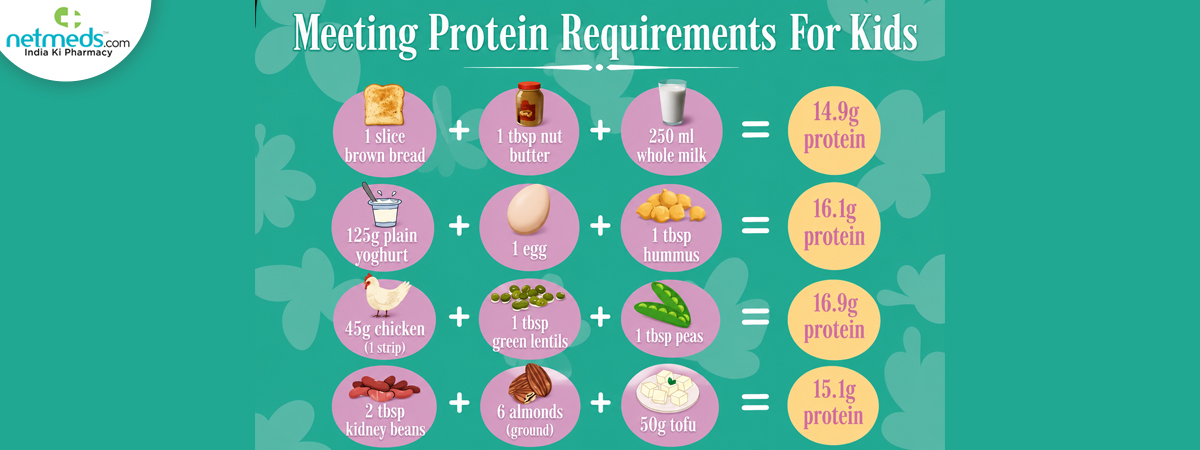
Smart Protein Sources For Picky Kids
Before turning to supplements, try incorporating naturally protein-rich foods into meals and snacks.
Dairy Foods
Milk
Greek yogurt
Paneer
Cheese
Plant-Based Proteins
Lentils (Dal)
Chickpeas
Rajma
Soybeans
Tofu
Quinoa
Animal Proteins
Eggs
Chicken
Fish
Lean meat
Healthy Snacks
Peanut butter (age-appropriate)
Nut butters
Roasted chickpeas
Trail mix (for older children)
How To Choose A Protein Supplement For Kids?
If your healthcare provider recommends supplementation, consider these factors:
Age-Appropriate Formula
Choose products specifically formulated for your child's age group.
Balanced Nutrition
Look beyond protein. Many pediatric nutritional supplements also contain vitamins, minerals, healthy fats, calcium, iron, vitamin D, and zinc.
Quality Protein
Look for high-quality protein sources such as:
Milk protein
Soy protein (when appropriate)
Lower Added Sugar
Select products with minimal added sugars and artificial sweeteners.
Trusted Brand
Choose supplements that comply with food safety and quality standards.
Creative Ways To Increase Protein Intake
Make protein more appealing by serving it in fun and familiar ways.
Try:
Fruit smoothies with yogurt
Paneer sandwiches
Egg muffins
Dal pancakes (Cheela)
Peanut butter banana toast
Homemade protein popsicles
Yogurt parfaits
Small portions presented creatively often encourage children to try new foods.
Foods That Pair Well With Protein
For balanced nutrition, combine protein with:
Whole grains
Fruits
Vegetables
Healthy fats
Balanced meals help children stay energized and support steady growth.
Safety Tips For Parents
Never give adult protein powders to children.
Avoid excessive protein intake unless recommended by a healthcare professional.
Read labels carefully for allergens such as milk, soy, or nuts.
Focus on overall nutrition rather than protein alone.
Monitor growth through regular pediatric check-ups.
When Should You See A Doctor?
Seek medical advice if your child:
Consistently refuses multiple food groups
Has poor weight gain
Falls behind expected growth milestones
Appears fatigued frequently
Has digestive symptoms affecting eating
Has feeding or swallowing difficulties
Early assessment can help identify any nutritional deficiencies or underlying medical concerns.
Conclusion
Protein plays a vital role in supporting your child's growth, strength, immunity, and overall development. While many picky eaters can meet their protein needs through a varied diet, some children may benefit from pediatric nutritional supplements when recommended by a healthcare professional.
The goal isn't simply to add more protein, it is to provide balanced nutrition that supports healthy growth. By combining wholesome foods, positive mealtime habits, and appropriate supplementation when needed, parents can help picky eaters thrive with confidence.
Frequently Asked Questions
Can picky eaters get enough protein without supplements?
Yes. Many children meet their protein needs through dairy, eggs, legumes, soy products, fish, poultry, and other protein-rich foods.
Are protein supplements safe for children?
Protein-containing nutritional supplements can be safe when recommended by a paediatrician and used according to age-specific guidelines.
What are the best natural protein sources for kids?
Milk, yogurt, paneer, eggs, lentils, chickpeas, beans, tofu, soy products, fish, chicken, and nuts (when age-appropriate).
Can too much protein be harmful?
Excessive protein intake is generally unnecessary for healthy children and may displace other important nutrients, so supplements should only be used when indicated.
References:
1. World Health Organization (WHO). Infant and Young Child Feeding Guidelines.
2. American Academy of Pediatrics (AAP). HealthyChildren.org: Nutrition for Children.
3. Academy of Nutrition and Dietetics. Nutrition Recommendations for Growing Children.
4. UNICEF. Child Nutrition and Healthy Growth.
5. National Institutes of Health (NIH). Office of Dietary Supplements – Protein and Child Nutrition.
 Previous