


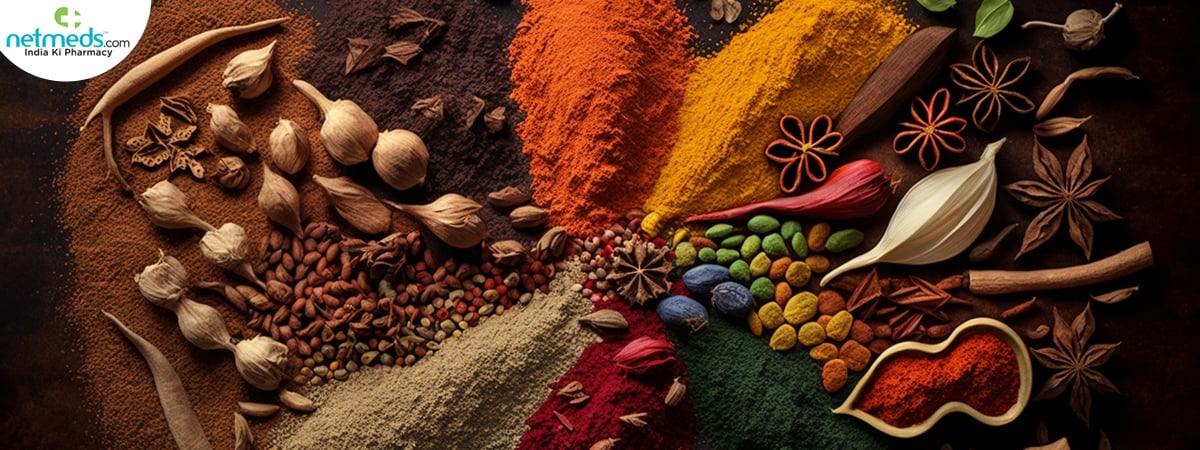
Distinctive flavours, aromas, colours, and depth to everyday dishes, spices are an integral part of several cuisines in the world. Besides their culinary value, nutrients, antioxidants, and plant compounds, aromatic spices support overall health and wellness. Most spices are naturally rich in beneficial phytochemicals, and although they are consumed in small quantities, using a variety of spices can enhance the nutritional and sensory value of a balanced diet and make meals more flavourful.
In this short read, let’s understand why we should add spices to our meals, what minerals are found in a particular spice, and its health benefits to the body.
Also Read: 5 Powerful Spices That Enhance Overall Health And Well-being – Infographic
What Are the Top 6 Nutrients Found in Spices You Should Know About?
While we all look for the major part of nutrition in fruits and vegetables, even spices can offer the following minerals:
Iron
Cumin, thyme, and turmeric can contribute to iron, a vital mineral needed for oxygen transport and normal energy metabolism.
Calcium
Cinnamon and dried basil contain calcium. This mineral is vital for maintaining healthy bones and teeth.
Magnesium
For optimum muscle function, nerve signalling, and energy production,n our body needs magnesium. Spices such as cumin and coriander can provide some amount of this mineral.
Manganese
Cloves and cinnamon are good sources of manganese. This mineral supports normal metabolism and antioxidant defence mechanisms.
Galactomannan
A type of soluble dietary fibre found naturally in fenugreek, guar, and carob, Galactomannan forms a gel-like substance upon absorbing water. It aids digestion and absorption of carbohydrates, thus supporting healthy blood sugar levels as part of a balanced diet.
Piperine
A naturally occurring bioactive compound, piperine has antioxidant properties that support digestion and the body’s response to oxidative stress. Piperine, which is found mainly in black pepper, can also enhance the bioavailability of certain nutrients and plant compounds such as curcumin from turmeric.
Also Read: Heart Health: 5 Must-Add Spices In Your Diet Regimen For Enhanced Cardiac Well-being
Why Should You Add Spices?
Improve your meals by adding spices for adequate plant compounds and small amounts of essential nutrients. Here are seven key wellness benefits of incorporating spices into a balanced diet:
· Spices contain polyphenols and other antioxidant compounds to combat oxidative stress.
· Spices such as ginger, cumin, and coriander have traditionally been used to support comfortable digestion and healthy gastrointestinal function
· Including a variety of spices in meals can add flavour without any health issues. Some spice compounds may also support cardiovascular and gut wellness.
·Turmeric and ginger have bioactive compounds that have been studied for their potential role in maintaining a balanced inflammatory response.
· Spices, particularly cloves and cinnamon, contain naturally occurring compounds that have been studied for their antimicrobial properties. Including spices as part of a balanced diet may complement good oral hygiene practices.
·Spices such as turmeric, ginger, and cinnamon contain bioactive plant compounds that are being studied for their potential role in supporting cognitive health and normal brain function.
·Antioxidant-rich spices can contribute plant compounds that help protect cells from oxidative stress. When combined with adequate hydration and a nutrient-rich diet, they can be part of an overall approach to maintaining healthy skin.
Frequently Asked Questions
Are Spices a Good Source of Vitamins and Minerals?
Spices provide a lot of vitamins and minerals, but we must consume them in small amounts. They should complement nutrient-rich foods such as vegetables, fruits, and whole grains etc.
Which Spices Are Particularly Rich In Antioxidants?
Cloves, cinnamon, turmeric, ginger, and oregano are among the spices known for their antioxidant-rich plant compounds.
Can I get Some Spices In Form Of Supplements?
Yes, some spices such as turmeric, cinnamon, ginge,r and black pepper are available as dietary supplements, although they should complement rather than replace a balanced diet.
Conclusion
Spices offer much more than flavour. Loaded with an array of minerals, vitamins, antioxidants, and other plant compounds, most spices can complement a balanced eating pattern. From ginger to cinnamon, cumin, and cloves, incorporating spices in moderate amounts is perhaps a perfect way to add nutritional diversity while enhancing the taste and flavour of your favourite food.
References:
https://updatepublishing.com/journal/index.php/josac
https://www.fao.org/agris/data-provider/indian-society-spices
 Previous


