Ayurveda has traditionally used several herbs and formulations for supporting cardiovascular and nervous system health. Sarpagandha Vati, also known as Sarpagandha Ghanvati in some formulations, is one such classical Ayurvedic preparation made primarily from Rauwolfia serpentina, commonly known as Sarpagandha or Indian snakeroot.
The herb has a long history of traditional use, particularly in relation to high blood pressure, restlessness and sleep-related concerns. Modern scientific research has also focused on Rauwolfia serpentina because its roots contain several indole alkaloids, including reserpine, that can affect blood pressure and the nervous system.
However, Sarpagandha Vati should not be considered an ordinary herbal supplement. Its active constituents can have significant pharmacological effects. Research has demonstrated blood-pressure-lowering activity of reserpine, while historical and clinical literature has also reported adverse effects, including hypotension and central nervous system effects.
Therefore, Sarpagandha Vati should be used only under the guidance of a qualified Ayurvedic physician or other appropriate healthcare professional, particularly if you already take medicines for blood pressure, sleep, anxiety or other chronic conditions.
Disclaimer: This article is for educational purposes only. Sarpagandha Vati should not be self-prescribed for hypertension, insomnia, anxiety or any other medical condition. Do not stop or replace prescribed blood-pressure or psychiatric medicines with this formulation without medical supervision.
What Is Sarpagandha Vati?
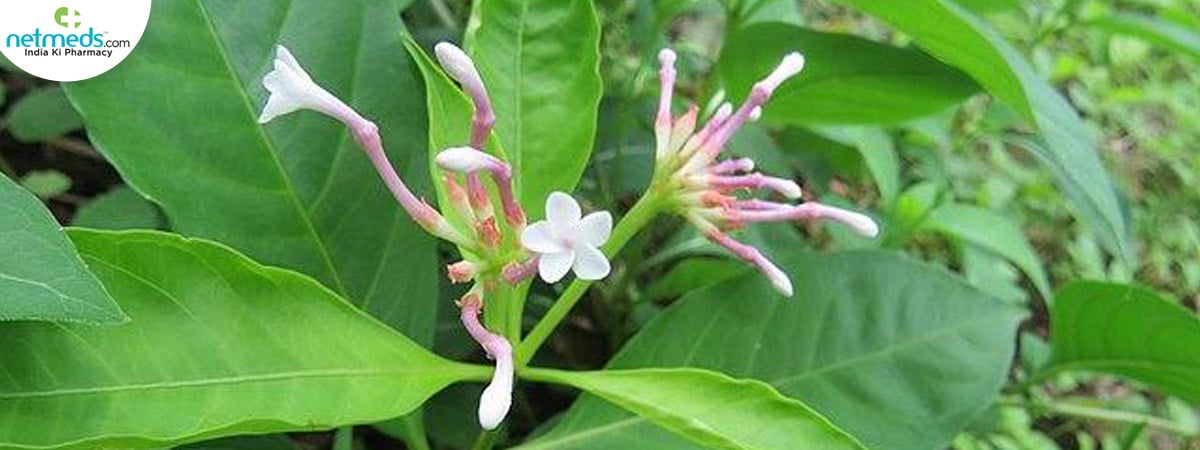
Sarpagandha Vati is a traditional Ayurvedic tablet formulation associated with the herb Sarpagandha (Rauwolfia serpentina).
The exact composition can vary according to the classical reference, manufacturer and specific product. Some formulations are essentially Sarpagandha root preparations, while the classical Sarpagandha Ghanvati formulation described in Ayurvedic literature contains Sarpagandha along with other herbs.
A pharmaceutical research study describing the Ayurvedic Formulary of India preparation reported Sarpagandha root, Khurasani ajowan (Hyoscyamus niger) seeds, Jatamansi (Nardostachys jatamansi) roots and Bhanga (Cannabis sativa) leaves, with Pippali (Piper longum) root powder added during preparation.
This is an important distinction because a product labelled simply “Sarpagandha Vati” may not have the same ingredients or strength as another product with a similar name.
Sarpagandha Vati Product Description
Sarpagandha Vati is generally available as a tablet or Ghanvati, depending on the manufacturer.
Its principal herbal ingredient is Sarpagandha, the root of Rauwolfia serpentina. The root contains several alkaloids, including reserpine, ajmaline and other indole alkaloids. Scientific reviews have identified numerous phytochemicals across Rauvolfia species and have investigated their cardiovascular and nervous-system effects.
The formulation has traditionally been associated with:
Supporting healthy blood-pressure levels
Promoting relaxation
Traditionally addressing certain states of nervous tension
Supporting cardiovascular health
However, these traditional uses should not be interpreted as proof that every commercially available Sarpagandha Vati product will treat these conditions.
Ingredients Of Sarpagandha Vati
Because formulations differ, always check the individual product label.
A classical Sarpagandha Ghanvati formulation described in a pharmaceutical study contains:
Sarpagandha: Rauwolfia serpentina
This is the principal ingredient. Its roots contain indole alkaloids, most notably reserpine, along with other alkaloids. Reserpine has historically been used as an antihypertensive compound.
Khurasani Ajowan: Hyoscyamus niger
The seeds are included in the classical formulation described in the Ayurvedic Formulary. The plant contains tropane alkaloids and has pharmacological activity, making professional supervision particularly important.
Jatamansi: Nardostachys jatamansi
Jatamansi is a traditionally used Ayurvedic herb associated with nervous-system and calming applications.
Bhanga: Cannabis sativa
The classical formulation described in the pharmaceutical study includes Bhanga leaves. This makes it especially important to distinguish classical formulations from modern commercial products, because not every product sold as Sarpagandha Vati contains the same ingredients.
Pippali: Piper longum
Pippali root powder is incorporated into the classical preparation described in the pharmaceutical literature.
Method Of Preparation
The preparation method depends on the specific classical reference and manufacturer.
A published study describing the Ayurvedic Formulary method reports that the powdered herbal ingredients are extracted using water. The extract is then concentrated, and Pippali root powder is incorporated before the mass is shaped into Ghanvati pills. The study describes pills weighing approximately 375 mg after drying.
The researchers also compared traditional water-extracted preparations with formulations made using alcoholic extracts. Their analysis demonstrated differences in alkaloid extraction, dissolution and content uniformity. In particular, the researchers found that water did not extract reserpine as effectively as ethanol in their experimental preparation.
This highlights an important point: the manufacturing process can influence the chemical composition and release characteristics of an Ayurvedic tablet.
Sarpagandha Vati should therefore be manufactured according to appropriate quality-control standards rather than prepared casually at home.
Medicinal Qualities Of Sarpagandha
Sarpagandha has been extensively investigated because of its alkaloid content.
Its best-known constituent, reserpine, affects catecholamine storage and release. This pharmacological action can reduce sympathetic nervous-system activity and lower blood pressure. Scientific literature has consequently investigated Rauwolfia serpentina for hypertension and related cardiovascular effects.
A review of Rauvolfia species reports that R. serpentina has been investigated for cardiovascular and central nervous-system applications, among others.
Ayurvedic Properties Of Sarpagandha
In Ayurveda, Sarpagandha has traditionally been used in formulations associated with Manasika Bhava, sleep and conditions involving heightened nervous activity.
The Ayurvedic interpretation of an herb's properties is different from modern pharmacology, and traditional classifications should not be equated directly with modern medical diagnoses.
Sarpagandha is traditionally regarded as having properties that can influence Vata-related disturbances and mental restlessness, but individual formulations, dosages and an individual's Prakriti and health status can influence how it is prescribed.
A qualified Ayurvedic physician should determine whether a Sarpagandha-containing formulation is appropriate rather than relying solely on general descriptions of its Ayurvedic properties.
10 Amazing Health Benefits And Traditional Uses Of Sarpagandha Vati
Supports Healthy Blood Pressure
Modern scientific perspective: The strongest scientific interest in Sarpagandha comes from the antihypertensive activity of Rauwolfia serpentina. Reserpine, one of its important alkaloids, has been studied as a blood-pressure-lowering agent, and clinical research has demonstrated reductions in blood pressure with reserpine use; however, available studies have limitations, and Sarpagandha Vati should not be considered a substitute for prescribed hypertension treatment.
Ayurvedic perspective: In Ayurveda, Sarpagandha (Rauwolfia serpentina) has traditionally been used in formulations intended to support cardiovascular balance and manage conditions associated with elevated blood pressure. Its traditional use is based on its recognised effects on Vata-related imbalance and nervous-system activity, but Ayurvedic formulations should be used under qualified professional supervision, particularly in people already taking blood-pressure medicines.
Also Read: Ayurveda For Hypertension: Excellent Natural Remedies To Reduce High Blood Pressure
Improves Cardiovascular Health
Modern scientific perspective: The blood-pressure-lowering effects of Rauwolfia alkaloids have contributed to their historical use in cardiovascular medicine, as uncontrolled hypertension is an important risk factor for cardiovascular disease. However, excessive lowering of blood pressure may cause dizziness, fainting or other complications, making careful monitoring particularly important when Sarpagandha-containing preparations are used alongside conventional antihypertensive medicines.
Ayurvedic perspective: Traditionally, Sarpagandha is used to help maintain physiological balance in conditions associated with elevated blood pressure, restlessness and nervous-system disturbances. Ayurveda considers the appropriate selection and dosage of such potent herbs important, and Sarpagandha Vati is therefore better regarded as a practitioner-guided formulation rather than a routine cardiovascular supplement.
Promotes Relaxation
Modern scientific perspective: Alkaloids present in Rauwolfia serpentina can influence the central and autonomic nervous systems, which may help explain its historical pharmacological interest in nervous tension and relaxation. Some clinical research involving Sarpagandha Vati has also examined anxiety-related outcomes alongside blood-pressure measurements, although current evidence is insufficient to recommend it as a standalone treatment for anxiety disorders.
Ayurvedic perspective: Sarpagandha has traditionally been associated with calming excessive nervous activity and supporting a more settled state of mind. Its traditional applications include conditions characterised by restlessness and agitation, although persistent anxiety or psychological distress requires appropriate medical or mental-health evaluation rather than self-treatment with Sarpagandha.
Bestows Restful Sleep
Modern scientific perspective: The sedative and central nervous-system effects associated with Rauwolfia alkaloids provide a possible scientific explanation for its traditional use in sleep disturbances. However, persistent insomnia can arise from stress, sleep disorders, medications, hormonal changes and underlying medical conditions, so Sarpagandha Vati should not be used as an unsupervised sleeping aid.
Ayurvedic perspective: Traditional Ayurvedic use associates Sarpagandha with Nidra, or healthy sleep, particularly when sleep disturbance is linked with nervous restlessness. Ayurvedic formulations containing Sarpagandha have historically been used for conditions involving disturbed sleep and mental agitation, but the appropriate formulation and dosage should be determined by a qualified practitioner.
Also Read: Ayurveda For Insomnia: Time-Tested Therapies For A Good Night’s Sleep
Reduces Nervous-System Overactivity
Modern scientific perspective: Rauwolfia alkaloids have historically been studied for their effects on the sympathetic nervous system and central neurotransmission, including their ability to influence the storage and release of certain neurotransmitters. These pharmacological actions help explain both its therapeutic potential and its adverse effects, which is why appropriate dosing and medical supervision are important.
Ayurvedic perspective: From an Ayurvedic perspective, Sarpagandha is traditionally valued for helping calm excessive Vata activity, particularly when it manifests as nervous agitation, restlessness or disturbed sleep. Its traditionally potent nature means it is generally considered more appropriate for targeted therapeutic use than casual or prolonged self-medication.
Remedies Stress-Related Restlessness
Modern scientific perspective: The effects of Rauwolfia alkaloids on the central and autonomic nervous systems may help explain why Sarpagandha has been investigated in relation to restlessness and nervous agitation. However, there is not enough robust clinical evidence to establish Sarpagandha Vati as a general treatment for everyday stress or anxiety, and persistent symptoms should be professionally assessed.
Ayurvedic perspective: Ayurveda has traditionally used Sarpagandha in situations characterised by mental restlessness, agitation and difficulty settling the mind. Its traditional calming properties are generally considered in the context of an individual's Dosha balance, particularly aggravated Vata, rather than as a universal remedy for modern psychological stress.
Regulates Elevated Pulse Associated With Sympathetic Activity
Modern scientific perspective: Because Rauwolfia alkaloids can influence sympathetic nervous-system activity, they may affect cardiovascular parameters such as blood pressure and heart rate. However, Sarpagandha Vati should never be used to self-treat an unexplained rapid pulse because tachycardia can result from anaemia, thyroid disorders, arrhythmias, infection, dehydration, anxiety and other medical conditions.
Ayurvedic perspective: Traditionally, Sarpagandha's calming influence on excessive nervous activity has been considered relevant to cardiovascular disturbances associated with heightened Vata or nervous agitation. Nevertheless, an unexplained or persistently elevated heart rate requires medical assessment before any Ayurvedic medicine is considered.
Relieves Headaches Associated With High Blood Pressure
Modern scientific perspective: Since uncontrolled high blood pressure can sometimes be associated with headache, the historical blood-pressure-lowering activity of Rauwolfia has contributed to interest in its use for headaches associated with elevated blood pressure. However, most headaches are not caused by hypertension, and severe, sudden or unusual headaches, especially those accompanied by weakness, confusion, vision changes, vomiting or neurological symptoms, require prompt medical attention.
Ayurvedic perspective: Sarpagandha has traditionally been used in certain Ayurvedic approaches when headaches are considered to be associated with nervous-system imbalance or elevated blood pressure. Its use should be based on an appropriate Ayurvedic assessment rather than treating every headache with the herb, particularly because headaches can have numerous underlying causes.
ALso Read: Suffering From Frequent Headaches? 5 Best Herbal Soothers You Should Try – Infographic
Proffers Broader Pharmacological Potential
Modern scientific perspective: Research on Rauwolfia serpentina and related Rauvolfia species has identified numerous alkaloids and investigated a range of pharmacological activities involving the cardiovascular and nervous systems. While laboratory and preliminary studies provide valuable insight into these compounds, such findings do not automatically establish clinically proven benefits of Sarpagandha Vati in humans.
Ayurvedic perspective: Ayurveda has traditionally valued Sarpagandha as a potent medicinal herb with applications extending beyond a single health concern, particularly in formulations associated with nervous-system balance, sleep and cardiovascular wellbeing. Its traditional pharmacological versatility should not be interpreted as evidence that it can treat multiple modern diseases without appropriate diagnosis and practitioner guidance.
May Have Traditional Applications In Certain Ayurvedic Nervous-System Conditions
Modern scientific perspective: The pharmacological activity of Rauwolfia alkaloids on the central and autonomic nervous systems has contributed to scientific interest in their potential effects on nervous-system function. A clinical study involving Sarpagandha Vati has investigated its use in essential hypertension, but broader therapeutic claims require larger, well-designed clinical trials before they can be considered established.
Ayurvedic perspective: Sarpagandha has a long history of traditional Ayurvedic use in formulations addressing mental restlessness, sleep disturbances and other conditions associated with nervous-system imbalance. Traditionally, its use is individualised according to symptoms and Ayurvedic assessment, and it should be taken only in an appropriate formulation and dose under qualified supervision.
Sarpagandha Vati Dosage
There is no universally appropriate self-care dosage for Sarpagandha Vati.
Dosage varies according to:
The formulation and manufacturer
Tablet strength
Amount of Sarpagandha present
Patient's age
Blood-pressure level
Other medicines being taken
Medical history
Intended therapeutic use
Published descriptions of classical preparations and commercial products show that tablet strength and directions can differ substantially.
Therefore, take Sarpagandha Vati only in the dose prescribed by a qualified healthcare professional. Do not increase the dose because your blood pressure remains elevated and do not take an additional tablet if you miss a dose unless your healthcare provider specifically advises you to do so.
Sarpagandha Vati Side Effects
Because Sarpagandha contains pharmacologically active alkaloids, side effects are possible.
Potential adverse effects may include:
Low blood pressure
Dizziness
Weakness
Slow heartbeat
Drowsiness
Gastrointestinal discomfort
Central nervous system effects
Mood changes
Historical clinical data on reserpine have reported central nervous system disturbances, gastrointestinal symptoms and hypotension.
Older controlled research also reported occasional severe depression in patients treated with Rauwolfia or reserpine.
Seek medical attention if you experience fainting, severe dizziness, unusually slow heartbeat, severe weakness, marked mood changes or other concerning symptoms after taking the formulation.
Precautions While USing Sarpagandha Vati
Do Not Self-Medicate: Get your blood pressure assessed before using Sarpagandha to avoid excessive BP lowering.
Check Blood-Pressure Medicines: Combining it with antihypertensive drugs may lower BP excessively; consult your healthcare professional.
Depression And Mood Disorders: People with depression or a history of significant mood disorders should use Sarpagandha only under medical guidance.
Pregnancy And Breastfeeding: Avoid unsupervised use during pregnancy or breastfeeding due to limited safety information.
Children: Give Sarpagandha Vati to children only when specifically prescribed by a qualified healthcare professional.
Before Surgery: Inform your doctor about Sarpagandha use because it may affect blood pressure and the nervous system.
Avoid Alcohol And Sedatives: Combining them may increase drowsiness or other central nervous-system effects.
Check The Label: Formulations can differ in ingredients and quantities, so always check the product label.
Do Not Stop Medicines Abruptly: Never replace prescribed BP, anxiety or sleep medicines with Sarpagandha without medical advice.
Choose Reliable Products: Check the manufacturer, ingredient list, batch details, expiry date and usage directions before purchase.
Conclusion
Sarpagandha Vati is a traditional Ayurvedic formulation associated particularly with blood-pressure management, relaxation and sleep-related applications. Its principal herb, Rauwolfia serpentina, contains potent alkaloids such as reserpine that have well-established pharmacological effects on the cardiovascular and nervous systems.
At the same time, these pharmacological effects mean that Sarpagandha Vati should not be treated as an ordinary wellness supplement. Excessive dosing or inappropriate combinations can lead to low blood pressure, dizziness, sedation and other adverse effects.
Scientific research supports the blood-pressure-lowering activity of reserpine, while evidence specifically evaluating modern Sarpagandha Vati formulations remains comparatively limited. A clinical study has investigated Sarpagandha Vati in essential hypertension, but larger, well-designed trials are needed.
If you are considering Sarpagandha Vati for hypertension, sleep problems, anxiety or another health concern, consult a qualified healthcare professional first. The right formulation, dose and monitoring are essential for safe use.
References:
Design, Development and Rationalization of Sarpagandha Ghanvati – Indian Journal of Pharmaceutical Sciences / PubMed
https://pubmed.ncbi.nlm.nih.gov/26798180/
The Role of Psychic Factors in Pathogenesis of Essential Hypertension and Its Management by Shirodhara and Sarpagandha Vati – PubMed
https://pubmed.ncbi.nlm.nih.gov/22048535/
Blood Pressure-Lowering Efficacy of Reserpine for Primary Hypertension – Cochrane Review / PubMed
https://pubmed.ncbi.nlm.nih.gov/27997978/
Rauwolfia in the Treatment of Hypertension – PubMed
https://pubmed.ncbi.nlm.nih.gov/26770146/
The Use of Rauwolfia serpentina in Hypertensive Patients – New England Journal of Medicine / PubMed
https://pubmed.ncbi.nlm.nih.gov/13002681/
Clinical Toxicity of Reserpine in Hospitalized Patients – PubMed
https://pubmed.ncbi.nlm.nih.gov/937377/
Hypertension Treated With Rauwolfia serpentina and With Reserpine: Controlled Study – PubMed
https://pubmed.ncbi.nlm.nih.gov/13263129/
Genus Rauvolfia: Ethnopharmacology, Phytochemistry, Quality Control and Clinical Evidence – PubMed
https://pubmed.ncbi.nlm.nih.gov/35504505/
Review on Pharmacognostic, Phytochemical and Pharmacological Characteristics of Medicinal Plants Used for Hypertension – PubMed
https://pubmed.ncbi.nlm.nih.gov/36809945/
Biotechnological Interventions and Indole Alkaloid Production in Rauvolfia serpentina – PubMed
https://pubmed.ncbi.nlm.nih.gov/35819514/
 Previous