The rainy season brings cool breezes, puddle splashes, and a refreshing break from the heat, but it also comes with a rise in infections, allergies, and waterborne diseases, especially among children. With their developing immune systems and love for outdoor play, kids are more vulnerable to seasonal illnesses during the monsoon.
From muddy shoes to damp clothes and contaminated water, the risk of germs increases significantly. That is why maintaining proper hygiene and adopting simple preventive habits becomes crucial during this time.
The good news? With a few mindful steps, you can keep your child safe, healthy, and happy throughout the rainy season.
Let us explore the most effective hygiene and health tips every parent should follow this monsoon.
Why Rainy Season Care Is Important For Kids?
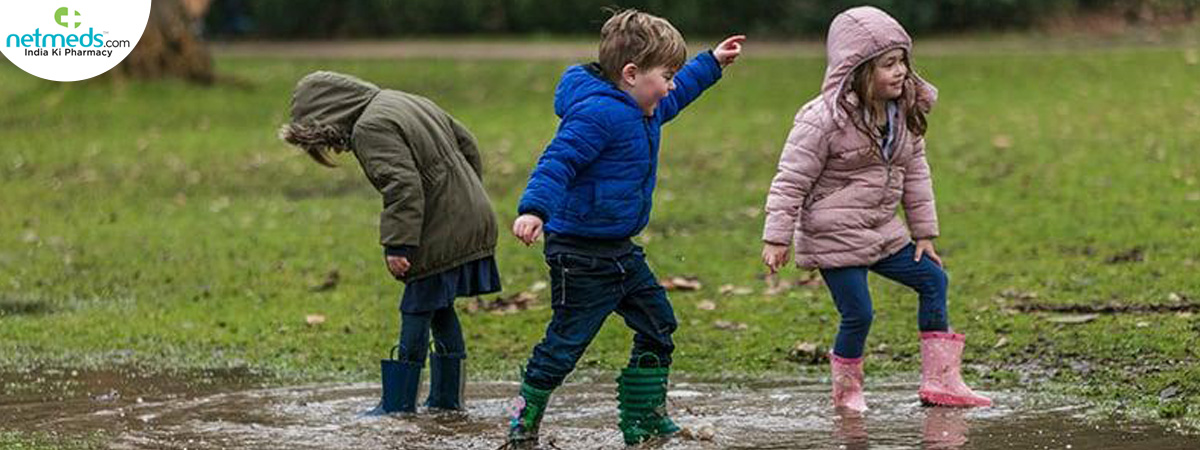
The monsoon season creates a perfect environment for bacteria, viruses, and fungi to thrive. Stagnant water, humidity, and poor sanitation can increase the risk of infections.
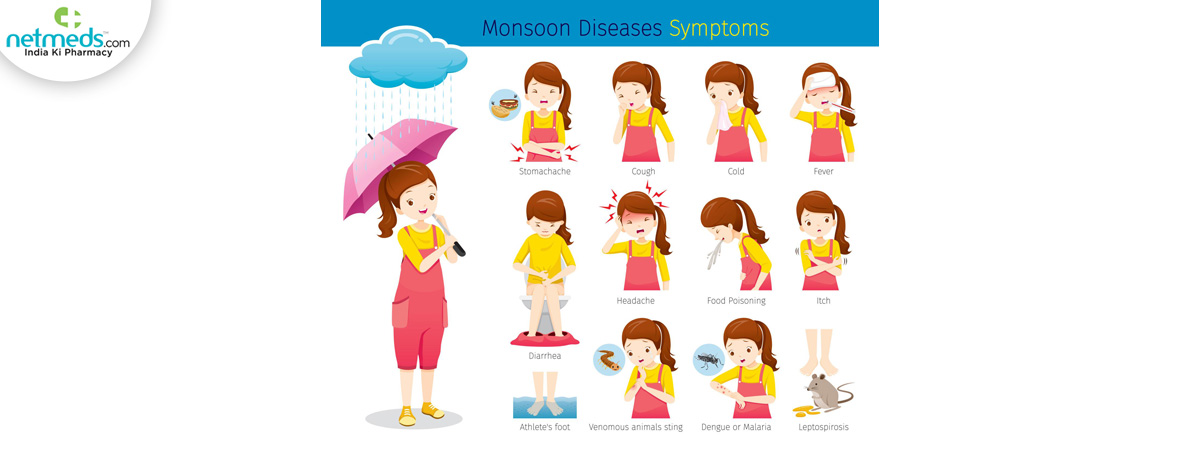
Common issues seen in children during this season include:
Viral fever
Stomach infections
Skin rashes and fungal infections
Mosquito-borne diseases
Proper care and hygiene can significantly reduce these risks and keep your child protected.
Also Read: Monsoon Care: How To Beat Itchy Fungal Infections
5 Essential Hygiene And Health Tips For Kids
Maintain Proper Hand Hygiene
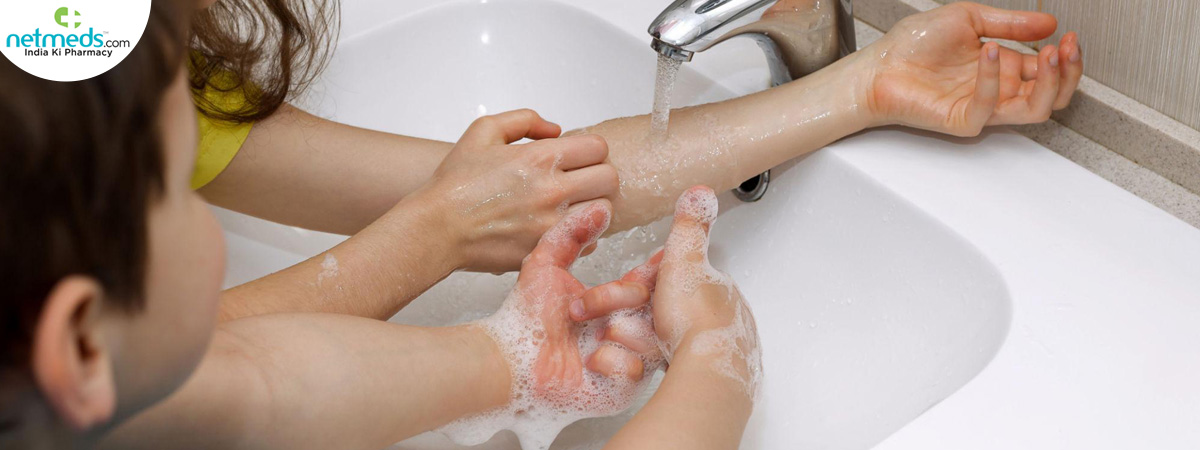
Encourage your children to wash their hands frequently, especially before meals and after playing outdoors.
Why does it matter?
Hand hygiene is the first line of defense against germs and infections. It helps prevent the spread of bacteria and viruses that thrive during the rainy season.
Keep Clothes And Feet Dry
Ensure your child changes out of wet clothes and shoes immediately after coming home. Dry their feet properly, especially between the toes.
Why does it matter?
Dampness can lead to fungal infections, skin irritation, and even colds. Keeping the body dry reduces the risk of these issues.
Focus On Safe Drinking Water
Always provide clean, boiled, or filtered water and freshly cooked food. Avoid street food and raw, uncovered items.
Why does it matter?
Contaminated food and water are major causes of stomach infections and diarrhea during monsoon. Safe eating habits are essential for prevention.
Also Read: Monsoon Diet: What You Should Eat and Avoid For Better Health During Rainy Season
Boost Immunity With Healthy Diet
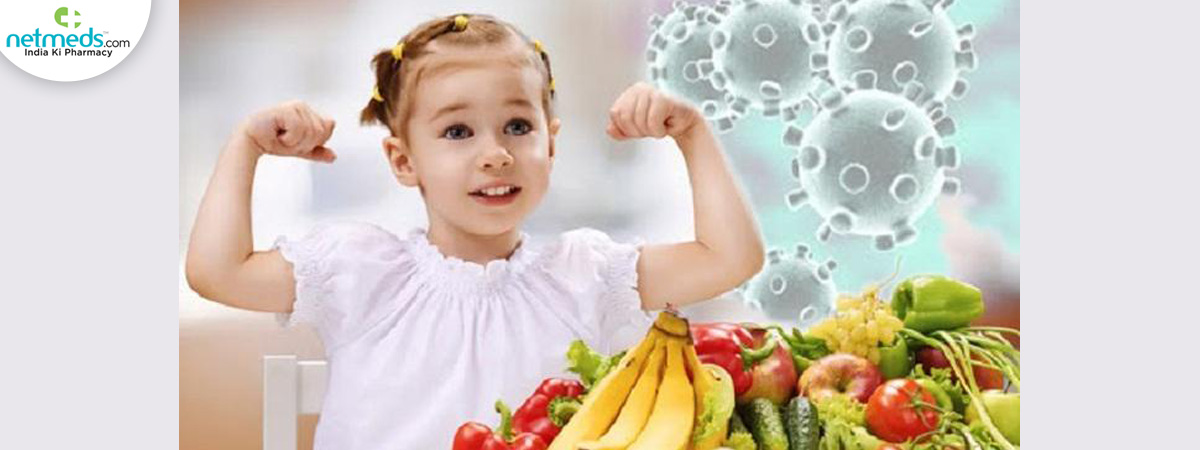
Include seasonal fruits, vegetables, and warm meals in your child’s diet. Foods rich in vitamins and minerals help strengthen immunity.
Why does it matter?
A strong immune system helps children fight infections more effectively and recover faster if they fall sick.
Maintain Clean Surroundings
Keep your home clean and ensure there is no stagnant water around. Use mosquito nets or repellents to protect your child.
Why does it matter?
Mosquito-borne diseases like dengue and malaria are common during monsoon, and prevention starts with cleanliness.
Tips For Extra Protection
Use raincoats and waterproof footwear
Keep a dry towel and extra clothes handy
Avoid letting kids play in dirty stagnant water
Ensure proper sleep and rest
Keep nails trimmed and clean
Who Should Be Extra Careful?
Toddlers and young children
Kids with weak immunity
Children prone to allergies or infections
School-going kids exposed to outdoor environments
Precautions
Avoid self-medication
Monitor symptoms like fever or diarrhea
Consult a doctor if illness persists
Always maintain proper hygiene
Note: Early care and prevention are key to avoiding serious health issues during the rainy season.
Conclusion
The rainy season can be fun and refreshing for kids, but it also requires extra care and attention. By following simple hygiene habits and maintaining a healthy routine, you can protect your child from common monsoon-related illnesses.
Consistency is key. Small daily practices like handwashing, proper nutrition, and cleanliness can make a big difference in keeping your child safe and healthy.
 Previous