A healthy gut is the cornerstone of overall well-being, which influences digestion, proper nutrient absorption, immunity, metabolism and mental health. One interesting aspect of gut health lies in the diverse array of fermented foods, which have been consumed for ages across the world in numerous cultures. Indian cuisine boasts a vast reserve of superfoods that are not only delicious but also render incredible health benefits.
Boost Your Gut Health With Our Trusted Probiotic And Prebiotic Supplements
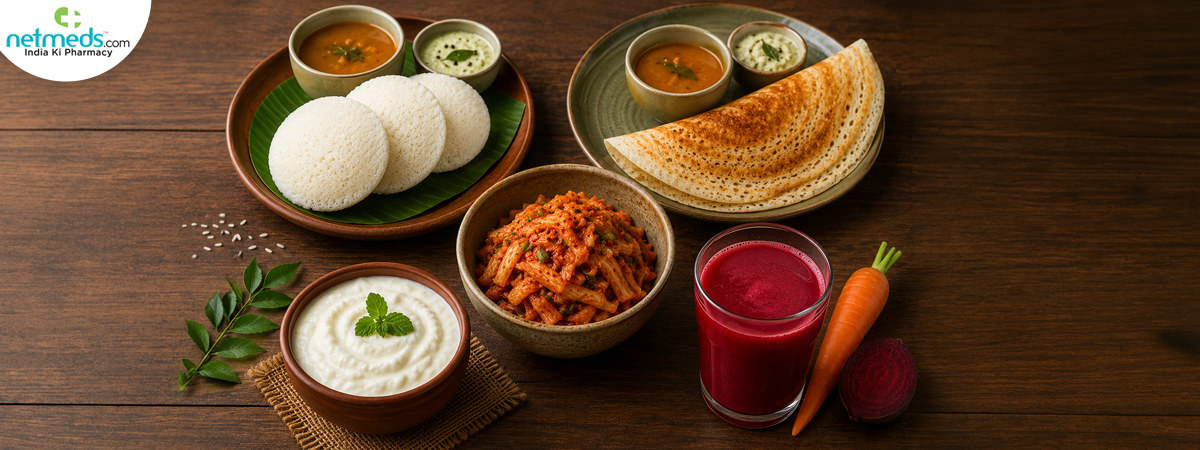
One of the most natural ways to support your gut microbiome is by eating fermented foods. These foods are rich in beneficial probiotic bacteria that are delicious, affordable and confer incredible health benefits. From a cup of curd to fluffy idlis and kanji, these foods naturally nourish the gut while offering vital nutrients.
Let's explore the five best Indian fermented foods for gut health, their nutritional benefits, and how they contribute to digestive wellness.
What Are Fermented Foods?
Fermented foods are foods that have undergone a traditional process in which beneficial microorganisms like bacteria and yeast break down sugars and starches. This transformative process not only enhances the flavour and texture of foods but also unlocks a myriad of nutritional advantages. Fermented Indian superfoods are known for their rich probiotic content, essential vitamins and minerals, increased digestibility, and unique flavours. In addition, fermented foods deliver a spectrum of choices to uplift your taste buds, while nourishing the gut.
Also Read:7 Must-Add Fermented Foods For Better Gut Health And Digestive Function
Different Types of Indian Fermented Foods
Those prepared from cereals and pulses: Idli, dosa, ambala, pazhaya sadam, etc.
Buttermilk-based, containing cereal or pulses: Kali, kulu, mor kuzambu, etc.
Made from milk: Curd, mor, chhurpi, etc.
Fermented sweets and snacks: Jalebi, Mishti doi, Sindhi gheeyar, Malpua, etc
Unripe fruits, bamboo shoots and vegetables are fermented: Sauerkraut, Goyang, Gundruk, Khorisa-Tenga, Miso, etc.
Made from pulses: Dhokla, khaman, Madrah, wadi, Bekanthu, Hawaijar, etc.
5 Best Indian Fermented Foods for Gut Health
Curd (Dahi)
Curd is one of India's most consumed probiotic foods. It is prepared by fermenting milk with beneficial bacteria such as Lactobacillus species. Adding curd into your regular meal plan improves digestion, promotes healthy gut bacteria, treats constipation, strengthens immunity, lowers risk of antibiotic-associated diarrhoea, and improves calcium absorption. It can be relished as plain curd, spiced buttermilk, raita, smoothies and curd rice.
Nutritional Value (100 g)
Calories: 61
Protein: 3.5 g
Calcium: 120 mg
Vitamin B12
Phosphorus
Probiotics
Idli
Soft, steamed idlis are prepared by fermenting rice and urad dal batter overnight. Fermentation increases B vitamin content and improves protein digestibility. Idlis are easy to digest, increase gut-friendly bacteria, are suitable during digestive discomfort or any illness and offer a sustained source of energy. Fluffy idlis can be relished with sambar or coconut chutney or any gravy.
Nutritional Value (2 Idlis)
Calories: 130
Protein: 4.1 g
Carbohydrates: 24 g
Dietary fiber
B vitamins
Kanji
Kanji is a traditional North Indian fermented drink prepared using black carrots, mustard seeds, water, and salt. During fermentation, beneficial bacteria multiply, making it an excellent probiotic beverage. This refreshing drink is loaded with probiotics, supports healthy digestion, relieves constipation, triggers immunity, and refreshes the body. Have a small glass as a midmorning drink.
Nutritional Value
Low in calories
Vitamin A
Potassium
Natural probiotics
Fermented Rice / Pazhaya Sadam
Known as Pazhaya Sadam in Tamil Nadu and Pakhala Bhaat in Odisha, this traditional dish is prepared by soaking cooked rice overnight, allowing natural fermentation. Pakhala bhaat is loaded with good bacteria, promotes digestive function, maintains good hydration, and is the best cooling food during summer. Have this wholesome food as breakfast with shaloots, curd, green chillies and chutneys.
Nutritional Value
Complex carbohydrates
Vitamin B complex
Potassium
Natural probiotics
Dhokla
Dhokla is a traditional staple food of Gujarat. It is made from split Bengal gram flour and rice. Both the flour is fermented with curd and then steamed to form a spongy cake. The fermentation process boosts the antioxidant quality, which makes it easily digestible and suitable for diabetics. Dhokla can be enjoyed as a wholesome breakfast or mid-evening snack.
Nutritional Value
100 grams of dhokla contains:
Carbs 16 gms
Proteins 6.8 gms
Fat 7 gms
Fiber 2-8 gms
Other Healthy Indian Fermented Foods Options
Buttermilk (Chaas)
Appam
Handvo
Ambali (Ragi Ambli)
Gundruk
Fermented bamboo shoots
Kombucha (commercial probiotic drink)
Effective Tips to Improve Gut Health Naturally
Eat a balanced and high-fibre diet rich in fruits and vegetables.
Include prebiotic foods like onions, garlic, bananas, oats, and legumes that help to feed probiotics.
Stay well hydrated and drink ample reserves of natural fluids like buttermilk, coconut water and herbal teas.
Exercise regularly and maintain weight.
Sleep for 7–9 hours daily.
Limit ultra-processed foods and sugary beverages.
Avoid unnecessary antibiotic use.
Manage stress through yoga or meditation.
Are Fermented Foods Safe for Everyone?
Most fermented foods are safe when consumed in moderation. However, individuals with weakened immune systems, severe lactose intolerance, or certain gastrointestinal disorders should consult a healthcare provider before significantly increasing probiotic foods in their diet.
Always prepare homemade fermented foods hygienically to prevent cross-contamination.
Frequently Asked Questions
Which Indian Fermented Food Is Best For Gut Health?
Curd is one of the best Indian fermented foods for optimising gut health because it naturally contains probiotics that promote digestion and improve the balance of beneficial gut bacteria.
Can Fermented Foods Improve Digestion?
Yes, fermented foods contain probiotics that help break down food, improve nutrient absorption, reduce bloating, and support regular bowel movements.
How Often Should I Eat Fermented Foods?
Including one serving of fermented food daily, such as curd, buttermilk, idli, dosa, or kanji, can help maintain a healthy gut microbiome as part of a balanced diet.
Conclusion
Traditional Indian fermented foods are among the most affordable, healthier choices and effective ways to support gut health naturally. From probiotic-rich curd and refreshing kanji to fermented rice, idli, and dhokla, these everyday foods help maintain a balanced gut microbiome, improve digestion, strengthen immunity, and enhance nutrient absorption.
References:
Decoding the Microbial Diversity of Indian Fermented Foods: Integrating Ethnobiology, Multi-Omics and Functional Insights
Priyanka Samantaray 1, Sudeshna Saha 1,*
https://pmc.ncbi.nlm.nih.gov/articles/PMC12939265/
Prospects of Indian traditional fermented food as functional foods
https://epubs.icar.org.in/index.php/IJAgS/article/view/83956
 Previous