Herbal teas are among the most popular beverages worldwide. It is valued for its potential health benefits and is considered a healthy, caffeine-free substitute for tea and coffee. From enjoying calming chamomile tea before bedtime to nourishing peppermint tea post-meals, most people enjoy herbal teas throughout the day for overall health and hydration. But is it safe to drink herbal tea all day long?
Well, herbal drinks confer numerous benefits, but drinking too much can cause unwanted health problems, depending on the type of herbal tea, amount consumed and individual health status.
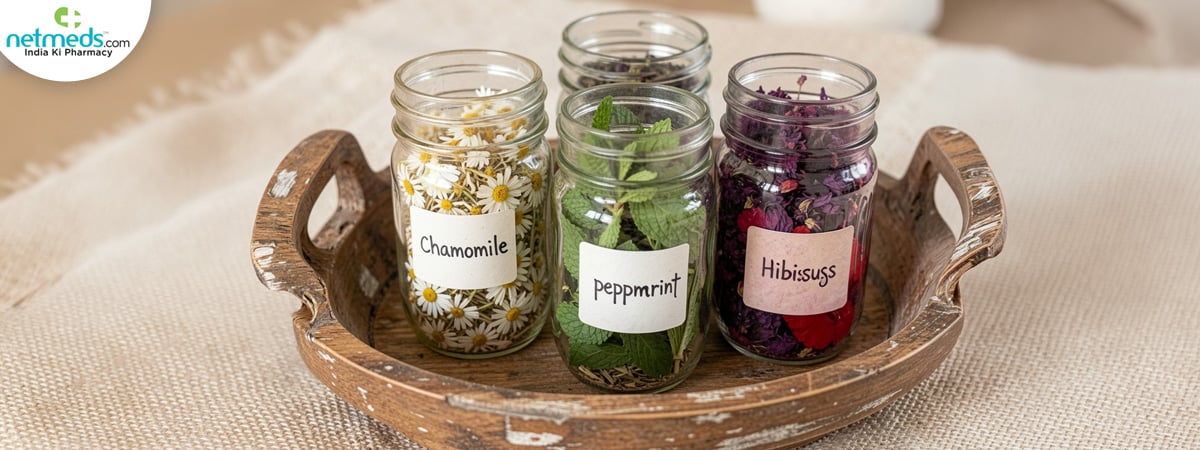
Dive into this article to explore how herbal tea helps the body, its benefits, how much is safe to drink and drawbacks.
What Is Herbal Tea?
Herbal tea is one of the most trusted holistic remedies, a soothing, caffeine-free infusion made from steeping natural herbs, flowers, fruits, roots, seeds, or spices in hot water. Though named “tea”, it is technically not a tea, as it is not made from the leaves of the traditional tea plant, Camellia sinensis.
Some of the most famous herbal teas include:
Peppermint tea
Ginger tea
Hibiscus tea
Tulsi (Holy Basil) tea
Rooibos tea
Lavender tea
Lemongrass tea
Fennel tea
Is It Safe to Drink Herbal Tea All Day?
Yes, for most healthy adults, drinking moderate quantities of herbal tea is considered safe. A safe general range, as per experts’ recommendation, includes:
2–4 cups daily is usually safe for most herbal teas.
Some mild tea types, like rooibos or chamomile, may be tolerated in slightly larger amounts.
Strong medicinal herbs should be consumed more carefully. The safety of herbal teas typically depends on:
The herb used
Medications if consumed
Pregnancy status
Allergies
Existing medical conditions
Some herbal plants act like natural medicines, meaning too much may affect the liver, kidneys, blood pressure, or hormones.
Also Read: Herbal Tea: 5 Must-to Try Infused Teas For Better Health And Wellbeing - Infographic
What Are The Benefits Of Drinking Herbal Tea?
Promotes Hydration
Most of us find it hard to drink adequate amounts of plain water to maintain hydration. However, drinking herbal tea adds flavour and warmth, helping you to stay hydrated and nourished. Good hydration stabilises energy levels, promotes digestion, improves skin health and controls body temperature.
Supports Digestion
Several herbal teas are known to improve digestive functions and gut health.
Peppermint tea is valuable in easing bloating and flatulence.
Ginger tea can help manage nausea and indigestion.
Fennel tea may mitigate stomach discomfort and indigestion.
These varieties of herbal teas can help relax digestive muscles and improve gut function after meals.
Promotes Relaxation
A few varieties of herbal teas contain soothing and relaxing compounds that help manage stress and improve sleep patterns. Some of the popular relaxing herbal teas include:
Chamomile
Lavender
Lemon balm
Drinking a warm cup of herbal tea before bed may create a relaxing nighttime regimen and help reduce anxiety.
Loaded with Antioxidants
Most of the herbs are packed with antioxidants that help combat oxidative stress caused by free radicals. Drinking herbal teas like hibiscus, rooibos, and tulsi, loaded with antioxidants, helps safeguard cells, promote healthy ageing, ease inflammation and boost immune function.
May Support Immunity
Some herbal teas contain potent antibacterial, antiviral, or anti-inflammatory compounds.
Ginger tea has a powerful anti-inflammatory quality that may help with colds and coughs.
Tulsi tea, bestowed with natural anti-viral action, has been used for ages for strengthening the immune system.
Elderberry herbal blends are effectively used during flu episodes.
While herbal tea is not a cure, it may help support overall wellness.
Also Read: Enjoy the soothing benefits of Herbal Tea
How Does Herbal Tea Help The Body?
Herbal teas work through naturally occurring plant compounds such as:
Polyphenols
Essential oils
Alkaloids
Antioxidants
Possible Drawbacks of Drinking Herbal Tea
Though herbal teas are considered safe and healthy drinks for most adults, they can result in adverse effects if consumed in excessive amounts.
Some herbs may be harmful and may cause liver or kidney stress when consumed in large quantities over long periods. Examples include:
Excess licorice root
Comfrey
Certain detox blends
Some herbal teas can interfere with medications.
Chamomile may interact with blood thinners.
Licorice root may affect blood pressure medications.
St. John’s Wort interacts with many prescription drugs.
People taking medications should consult a healthcare professional before drinking large amounts regularly.
Some individuals may experience allergies to herbs, flowers, or pollen-based ingredients. And may have itching, rashes, skin irritation, swelling and breathing issues.
People allergic to ragweed, for example, may react to chamomile.
Excessive consumption of herbal tea may sometimes cause digestive problems like diarrhea,
Strong peppermint tea may worsen acid reflux in sensitive individuals.
Not all herbal teas are considered safe during pregnancy.
Some herbs may stimulate the uterus or affect hormonal functions. Hence, pregnant women should be cautious with:
Sage tea
Licorice root tea
Hibiscus tea
Certain detox teas
Always seek advice from your gynaecologist during pregnancy.
Many “detox teas” marketed online may contain stimulant laxatives or unregulated herbal mixtures. Regular consumption can lead to
Dehydration
Electrolyte imbalance
Dependency
Digestive problems
Natural does not always mean harmless.
Simple Tips for Drinking Herbal Tea Safely
Always buy from trusted brands that test for contaminants and purity.
Avoid consuming one strong herb continuously for months. Switch different herbs regularly to reap the benefits of the widespread of herbal teas.
Avoid adding sugar or sweetened syrups.
Herbal tea should complement water; however, it cannot completely replace it.
Stop drinking herbal tea if you notice unusual symptoms.
Conclusion
Herbal tea is a healthy and energising addition to your routine. It is best known to support digestion, relaxation, and hydration to improve overall well-being when consumed in moderate amounts. However, excessive consumption of herbal teas throughout the day may lead to adverse side effects.
For most healthy adults, relishing a few cups of herbal tea daily is perfectly safe and valuable. The key is balance, variety, and choosing the right herbs for your health goals.
References:
Herbal beverages: Bioactive compounds and their role in disease risk reduction - A review
Anoma Chandrasekara a, Fereidoon Shahidi b,
https://pmc.ncbi.nlm.nih.gov/articles/PMC6174262/
https://www.sciencedirect.com/science/article/pii/S2772753X23002812
https://link.springer.com/chapter/10.1007/978-1-59259-415-3_13
 Previous