


Ever noticed how your skin suddenly breaks out right before an important event or during a stressful phase? You are not imagining it. The connection between stress and skin health is real and often underestimated. From acne flare-ups to dullness and premature ageing, stress can quietly sabotage your glow. The good news? You can break this cycle naturally.
Let us understand how stress impacts your skin and the most effective ways to restore balance.
Uplift Your Skin Health With Our Top-Notch Beauty And Skin Care Products Today!
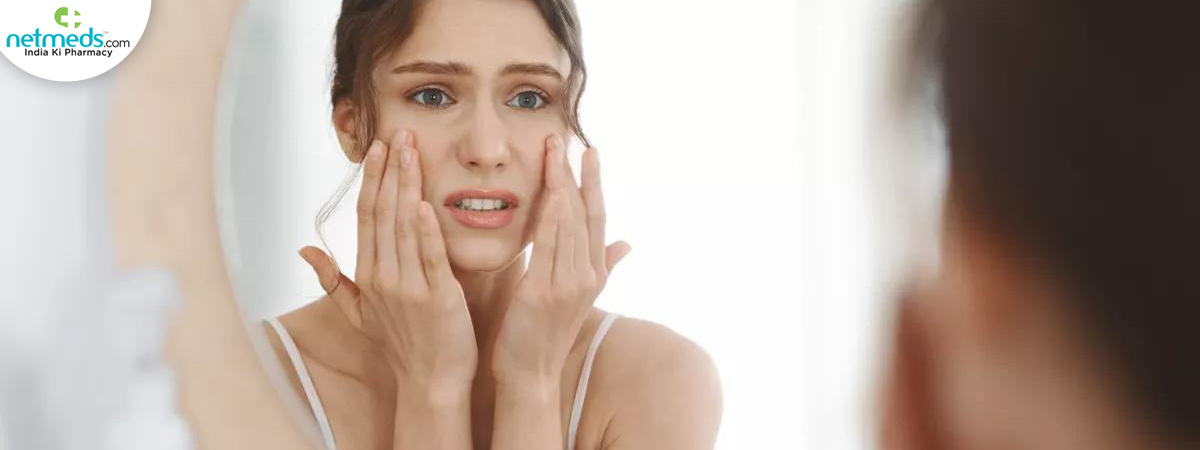
How Stress Affects Your Skin?
When you are stressed, your body releases cortisol, often called the ‘stress hormone.’ Elevated cortisol levels can trigger a series of skin issues by increasing oil production, weakening the skin barrier, and causing inflammation.
Common Stress-Induced Skin Problems
Acne and breakouts: Excess oil clogs pores
Dull and tired skin: Reduced blood circulation
Premature ageing: Fine lines and wrinkles appear faster
Dryness and sensitivity: Damaged skin barrier
Dark circles and puffiness: Poor sleep and fatigue
Causes of Stress-Related Skin Issues
Understanding the root cause is key to fixing the problem. Here are some common triggers:
Hormonal imbalance due to prolonged stress
Lack of sleep, affecting skin repair
Unhealthy diet (high sugar, processed foods)
Neglecting skincare routine during busy periods
Increased inflammation in the body
Also Read: How Age, Stress, and Hormonal Cycles Change Your Skin And What to Do About It?
Effects of Stress on Skin Health
Stress doesn’t just affect your mind; it shows on your face too.
Breakouts become frequent and stubborn
Skin loses its natural glow
Healing slows down, leading to scars
Existing conditions like eczema or psoriasis worsen
Skin becomes more reactive and sensitive
Over time, this creates a frustrating cycle: stress worsens your skin, and poor skin increases stress.

7 Powerful Ways To Break The Stress-Skin Cycle Naturally
Here is how you can restore harmony between your mind and skin:
Practice Mindful Relaxation
Incorporate yoga, meditation, or deep breathing into your daily routine. Even 10–15 minutes a day can significantly reduce cortisol levels and improve skin health.
Follow a Consistent Skincare Routine
Stick to a simple CTM (Cleanse, Tone, Moisturise) routine. Use gentle, hydrating products with ingredients like aloe vera, hyaluronic acid, and niacinamide to soothe stressed skin.
Get Quality Sleep
Your skin repairs itself while you sleep. Aim for 7–8 hours of uninterrupted rest to prevent dark circles, dullness, and breakouts.
Eat Skin-Friendly Foods
Include antioxidant-rich foods like fruits, vegetables, nuts, and seeds. Omega-3 fatty acids (found in flaxseeds and walnuts) help reduce inflammation and promote glowing skin.
Stay Hydrated
Dehydration can worsen stress-related skin issues. Drink enough water to flush out toxins and maintain skin elasticity.
Try Natural Remedies
Use calming, natural ingredients like:
Aloe vera: Soothes irritation
Turmeric: Reduces inflammation
Rose water: Refreshes and tones skin
These remedies help restore balance without harsh side effects.
Limit Caffeine and Sugar Intake
Excess caffeine and sugar can spike cortisol levels and trigger breakouts. Opt for herbal teas and natural sweeteners instead.
Pro Tip: Listen To Your Skin
Your skin often reflects your internal state. If you notice sudden changes, take it as a sign to slow down and care for both your mental and physical health.
Conclusion
Stress-induced skin problems are more common than you think, but they are also manageable. By addressing the root cause and adopting a holistic approach, you can break the stress-skin cycle naturally.
Remember, glowing skin isn’t just about what you apply externally; it is about how you nurture yourself from within. So take a deep breath, relax, and let your skin heal the way it is meant to.
References:
1. https://www.aad.org/public/everyday-care/skin-care-secrets/routine/stress-and-skin
2. https://www.ncbi.nlm.nih.gov/pmc/articles/PMC4082169/
4. https://www.medicalnewstoday.com/articles/stress-effects-on-skin
5. https://www.webmd.com/skin-problems-and-treatments/features/skin-and-stress
 Previous