


Herbal teas have been greatly prized since times immemorial for their numerous health incentives. However, herbal teas are not true teas, as they include green tea, black tea and oolong tea that are brewed from the leaves of the Camellia sinensis plant. While these healing herbal teas are made from dried fruits, roots, flowers, spices, or herbs that are available in a broad spectrum of tastes and flavours and make a healthy alternative for sugary beverages.
A warm cup of herbal tea is an incredible way to calm the senses and refresh the mind and body. These infused teas have been used as natural remedies for several ailments like headaches, muscle pain, skin woes and many more. Most herbal teas are caffeine-free, and some varieties deliver vitamins, minerals, antioxidants, bioactive compounds, and nutrients.
Also Read: Natural Immune Boosters: Calming, Aromatic Herbal Teas To Combat Monsoon Maladies
Health Benefitting Properties Of Herbal Teas
The potent anti-inflammatory activity of herbal teas reduces inflammation and alleviates arthritis, headaches, and haemorrhoids. Peppermint, turmeric, and ginger are some of the best teas for all inflammatory health issues.
Herbal teas work wonders for treating gut issues like indigestion, cramping, bloating, constipation, and diarrhoea to name a few. Dandelion, cinnamon, and peppermint are some of the preferred ones.
Bestowed with antioxidants and vitamins, herbal teas support to combat oxidative stress, trigger immunity and keep infections at bay. Ginger, licorice and elderberry teas possess immune-boosting qualities.
Herbal teas help to balance neurotransmitter levels and soothe the mind, thereby easing stress, anxiety and promoting sound sleep. Chamomile, valerian, and lavender teas are best to induce good sleep.
The natural diuretic and laxative traits of herbal teas help to flush out the toxins from the system and maintain kidney, gut, and liver health. Dandelion, hibiscus, and juniper teas are some of the best diuretic teas.
These natural infusion drinks are credited with having analgesic qualities that offer respite from pain and discomfort. Allspice, eucalyptus, kava root, and chamomile teas are exceptional in this area.
Benefits Of Adding Herbal Tea
Supports Heart Health
Some herbal teas like hibiscus and rooibos have compounds that may help lower blood pressure and cholesterol levels, reducing the risk of cardiovascular diseases.
Enhances Skin Health
Herbal teas like chamomile, rosehip, and green rooibos are rich in antioxidants that help combat free radicals, reducing signs of ageing and improving skin texture. These teas can also soothe skin inflammation and redness.
Boosts Metabolism
Herbal teas such as green tea, ginger, and cinnamon may help enhance metabolic rate, aiding in weight management and fat burning.
Relieves Menstrual Discomfort
Teas like chamomile, ginger, and raspberry leaf are known to alleviate menstrual cramps, regulate cycles, and provide comfort during PMS.
Improves Respiratory Health
Herbal teas like eucalyptus, thyme, and mullein help clear nasal passages, relieve coughs, and soothe sore throats, making them great for managing respiratory conditions.
Strengthens Bone Health
Herbal teas like nettle and alfalfa contain minerals such as calcium and magnesium, which support bone density and overall skeletal health.
Aids in Weight Management
Teas like fennel, dandelion, and peppermint may suppress appetite, reduce water retention, and promote healthy digestion, making them helpful for weight control.
Improves Cognitive Function
Ginkgo biloba and rosemary herbal teas may enhance memory, focus, and mental clarity, supporting overall brain health.
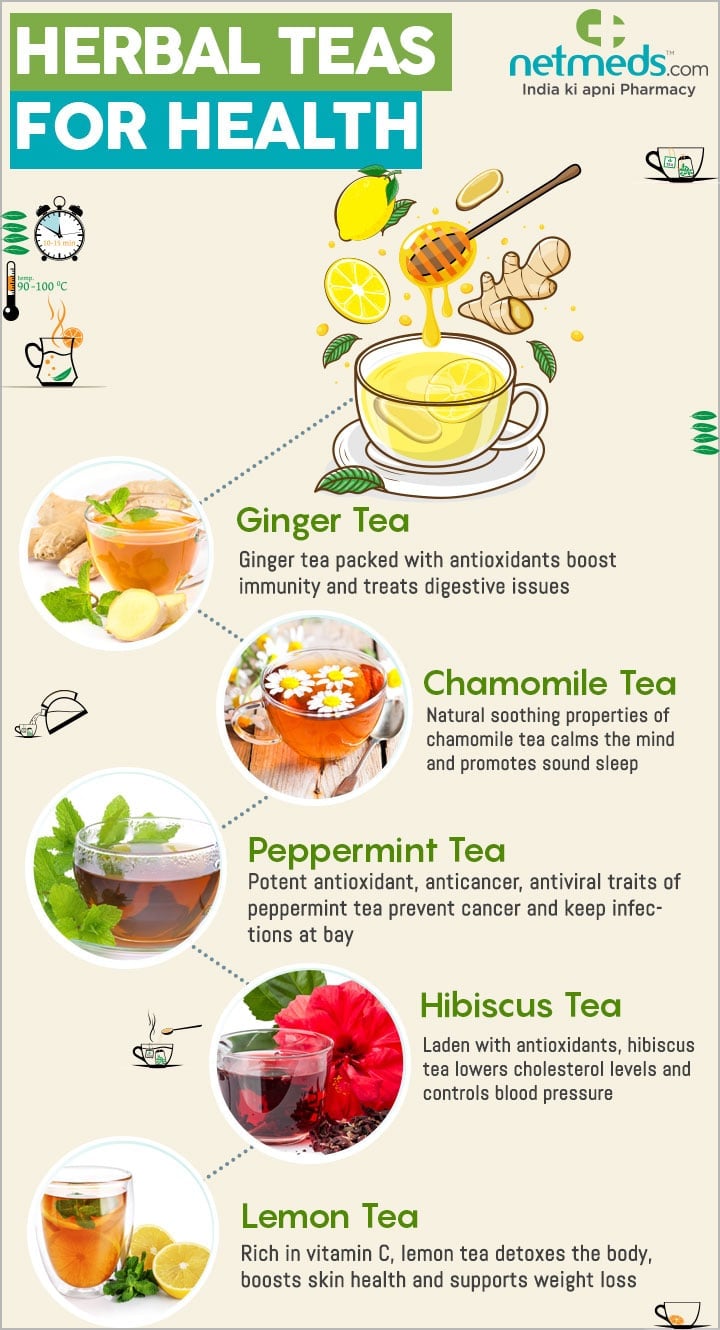
Frequently Asked Questions
What Are The Five Healthiest Teas?
Green tea, black tea, oolong tea, white tea, and herbal teas such as chamomile are commonly included in healthy beverage choices. Their nutritional and antioxidant profiles differ, so variety can be beneficial.
Which Herbal Teas Have The Best Health Benefits?
Chamomile, peppermint, ginger, hibiscus, and tulsi teas are popular herbal options. However, they must be consumed as per an individual’s health and dietary needs.
What Are The 10 Best Teas To Drink?
Green, black, white, oolong, pu-erh, chamomile, peppermint, ginger, hibiscus, and tulsi teas are widely consumed. The most suitable choice depends on caffeine tolerance, preferences, and health needs.
What Is The Best Herbal Tea?
There is no single best herbal tea for everyone. Chamomile, ginger, peppermint, tulsi, and hibiscus are popular choices, and the appropriate option depends on the intended use and individual health considerations.
(This article is reviewed by Preeti Sharma, Wellness Expert)
Author Profile:
M Sowmya Binu:
With over 15 years of expertise and a Postgraduate degree in Nutrition, M Sowmya Binu is a seasoned professional in the field of nutrition. Specializing in tailoring personalized diet plans, she underscores the significance of a balanced approach to health, emphasizing the integration of medication with dietary intake for holistic wellness. Passionate about equipping individuals with the knowledge to make informed decisions, Sowmya adeptly develops insightful content encompassing a wide array of topics, including food, nutrition, supplements, and overall health.
References
Review on herbal tea as a functional food: classification, active compounds, biological activity, and industrial status, Yuchao Liu
https://www.sciencedirect.com/science/article/pii/S2772566923000058
Herbal Teas and their Health Benefits: A Scoping Review
Fatima S Poswal 1, Grace Russell 1, Marion Mackonochie 2, Euan MacLennan 2, Emmanuel C Adukwu 3, Vivien Rolfe 4
https://pubmed.ncbi.nlm.nih.gov/31243622/
Try some of these herbal teas and reap its tremendous wellness incentives.
Foray this infographic for more details
 Previous