


It often begins like any other hot day, sun overhead, intense temperatures and a mild headache, you take it lightly as dehydration or fatigue. But at times, that “just a regular headache” can be an early warning sign of something very serious: heatstroke. Knowing the difference can safeguard your health and even save lives.
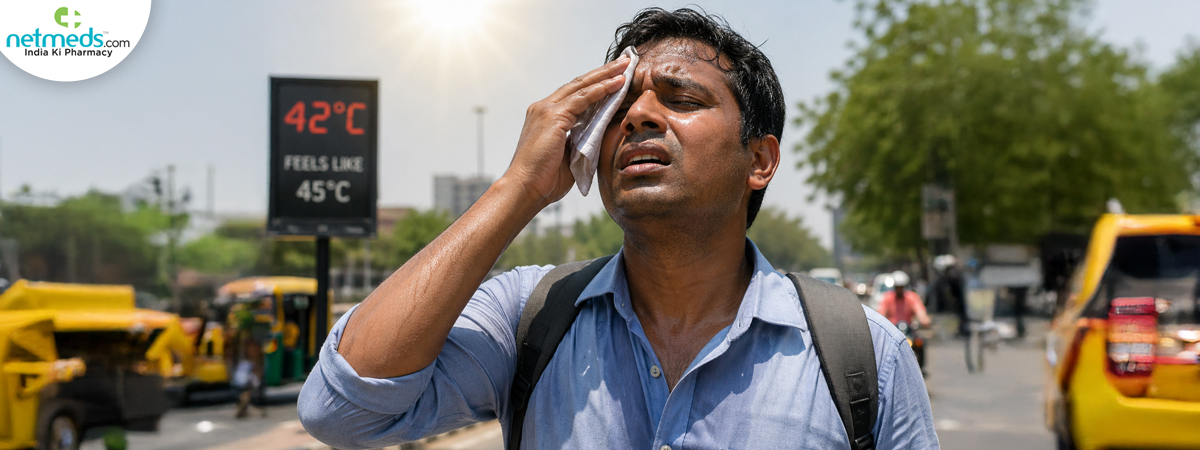
As heatwaves become more severe across the country amid temperatures peaking above 40 degrees Celsius, doctors are warning that understanding the difference between a harmless symptom and a medical emergency can be lifesaving.
(Beat the Heat This Summer, Explore Our Summer Care Essentials Today!)
Dive into this article to learn more about how to identify symptoms, when to worry, prevention tips, and what to do immediately.
What Is The Difference Between A Headache And Heat Stroke?
Headache can develop due to stress, dehydration, poor sleep, sinus or migraines. Heatstroke is the most serious form of heat-related illness, and it develops when the body can no longer control its temperature, resulting in rising temperatures above 40 degrees Celsius.
The World Health Organization states that heat stress is the leading cause of weather-linked mortality and can aggravate underlying medical conditions, including diabetes, heart disease, asthma, risk of infectious disease and accidents. Heatstroke is a medical emergency with an increased death rate.
A headache can be one symptom of heat stroke, but heat stroke usually comes with other serious warning signs like confusion, dizziness, nausea, rapid heartbeat, and very hot skin.
Also Read:6 Summer Health Problems In Children And Effective Ways To Manage
Can Heat Cause Headaches?
Yes. Summer heat usually causes headaches because of:
Extreme dehydration
Excess sun exposure
Heat exhaustion
Migraine triggers
Skipped meals in hot weather
Poor sleep schedule due to the heat
Mild heat headaches usually improve with proper hydration, rest, and cooling down.
What Are The Early Signs Of Heat Stroke?
Never ignore these symptoms in summer:
Pounding headache
High body temperature
Dizziness or faintness
Nausea or vomiting
Rapid heart rate
Red and hot skin
Confusion or trouble speaking
No sweating (sometimes)
Muscle cramps
Difficulty walking
These signs require urgent medical attention.
How Do I Know If It Is Just A Headache Or Something Serious?
A mild headache is more likely if:
Pain settles down after rest and hydration.
You remain alert and oriented.
No fever or confusion.
No sensation of vomiting or downfall.
It may be more serious if a headache accompanies:
Extreme heat exposure
Confusion
Fainting
Rapid heartbeat
Vomiting
Severe weakness
Poor mental clarity
These symptoms indicate heat exhaustion or heat stroke.
What Does A Dehydration Headache Feel Like?
A dehydration headache often feels like:
Dull ache or pressure
Pain on both sides of the head
Worsens when standing or moving
Dry mouth
Thirst
Tiredness
Dark urine
Drinking plenty of fluids and resting usually helps.
Also Read: Heat Related Illness: Types, Symptoms And Treatment
What Are The Symptoms Of Heat Exhaustion Vs Heat Stroke?
Heat Exhaustion Symptoms
Profuse sweating
Generalised weakness
Headache
Nausea
Cool, clammy skin
Fast pulse rate
Dizziness
Heat Stroke Symptoms
Body temperature rises above 104°F (40°C)
Hot, flushed skin
Confusion
Collapse
Loss of consciousness
Severe headache
Heat stroke is an emergency.
Can Heat Stroke Happen Indoors?
Yes, you may experience symptoms of heat stroke while staying indoors if ventilation is poor, there is no fan or proper cooling system, or during power outages. Elderly people, children, and those with chronic illnesses are at higher risk.
What should I do immediately if someone has heat stroke symptoms?
Call for emergency medical assistance. Shift the person to a shade or a cool room. Take off extra clothing. Apply ice packs to the neck, armpits, and groin if available. If a person is conscious and oriented, offer small sips of water, but do not force fluids if confused.
Can a child get heat stroke quickly?
Yes, children can easily get overheated faster than adults. Never ignore symptoms like:
Headache
Irritability
Vomiting
Sleepiness
Red skin
Fast breathing
Weakness
Who are at higher risk?
Older people
Infants and children
Outdoor workers
Athletes
People with heart disease
Obese individuals
Diabetics
Those who are on diuretics or certain medications
How can I prevent headaches and heat stroke in summer?
Following these simple preventive tips may help you stay hydrated and healthy.
Drinking water regularly, not only when you feel thirsty. If sweating heavily, have oral rehydration fluids or electrolyte drinks.
Avoid peak heat. Stay indoors between 11 AM and 4 PM when possible.
Choose loose, breathable cotton clothing.
Stay in cool, ventilated places.
Never skip meals, as low blood sugar can worsen headaches.
Protect yourself from direct sun exposure use hat or an umbrella while going out.
Take breaks if working outdoors.
Limit alcohol intake as it increases the risk of dehydration.
Can Migraines Worsen In Hot Weather?
Yes, intense heat, bright sunlight, dehydration, and sleep disruption are common migraine triggers.
When should I see a doctor for a summer headache?
Seek medical help if the headache is:
Severe or sudden
If you have a fever
Repeated vomiting
Confusion
Weakness
Fainting
Continuing even with proper hydration
Accompanied by neck stiffness
Conclusion
A summer headache is not dangerous every time, but never ignore the warning signs of severe heat exhaustion or stroke. If headache appears with dizziness, vomiting, confusion, weakness, or high heat exposure, never ignore it. Act promptly, let body cool down, hydrate and stay nourished and seek immediate medical attention when symptoms are severe.
References:
https://pmc.ncbi.nlm.nih.gov/articles/PMC3029145/
Heat stress disorders and headache: a case of new daily persistent headache secondary to heat stroke
C Di Lorenzo 1,2, A Ambrosini 1, G Coppola 2,3, F Pierelli 1,2
https://www.mdpi.com/2076-3425/15/9/1011
Identifying Knowledge Gaps Regarding Heat Stroke Among an Adult Sample in Pune, India: A Descriptive Analysis
April 2025
Suresh Kumar Ray,Bhagyashree A Jogdeo,Ningthoujam Sujita Devi
https://www.researchgate.net/publication/391174977_Identifying_Knowledge_Gaps_Regarding_Heat_Stroke_Among_an_Adult_Sample_i
 Previous