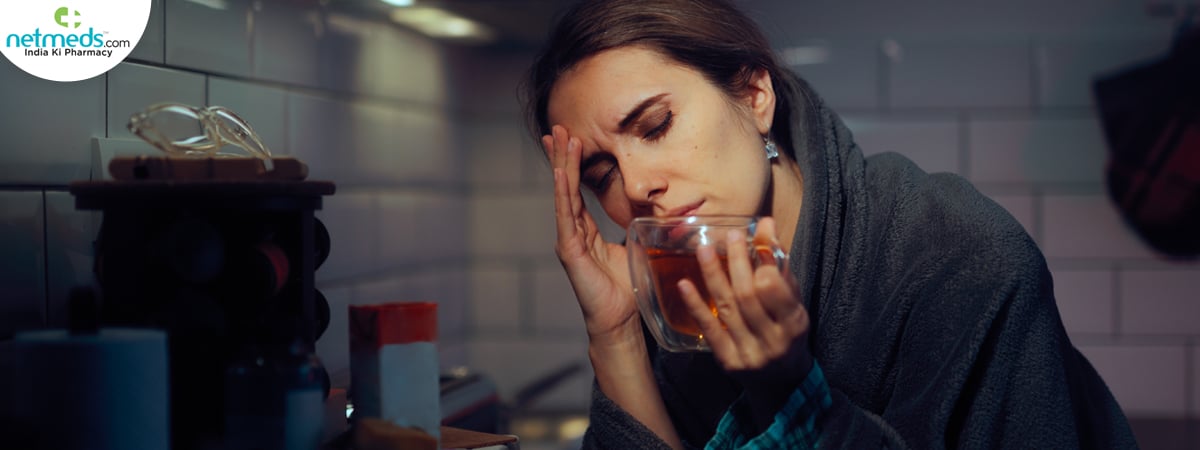
Most people complain about throbbing headaches in cold weather. As the chill air hits hard, blood vessels constrict, and this often causes tension headaches. Many individuals who experience fewer headaches during warmer months report a noticeable increase in migraine frequency and intensity during cold weather. This phenomenon, often referred to as a winter migraine, is influenced by a combination of environmental, physiological, and lifestyle factors. Even studies disclose that headaches increase as the temperature drops. Read this article to learn more about winter migraine triggers and 5 natural remedies to get respite from pounding headaches.
(To Get Relief From Pounding Migraines, Buy From Our Wide Range Of Nutritional Supplements)
Why Migraines Worsen in Winter?
Numerous triggers are very specific to the winter season that contribute to migraines:
A sudden change in temperature and exposure to cold air can stimulate nerves in the face and head.
Room heaters decrease humidity and make indoor air dry, which leads to sinusitis and dehydration.
Reduced sunlight exposure can interfere with serotonin production, which is a key factor in migraines.
Seasonal mood changes and disturbed sleep cycles can worsen headaches.
Also Read: Migraine: 7 Underlying Triggers You Should Never Ignore
Winter colds and sinus congestion often act as migraine triggers.
Though a few people need medication, many people find significant relief through natural approaches. Here we have curated 5 natural cures to alleviate winter migraine.
5 Natural Remedies to Ease Winter Migraines
Good Hydration
Generally, as the temperature drops, it reduces thirst, and most people consume less water, resulting in dehydration. Dry winter air and indoor heating increase fluid loss without sweating, which makes you easily dehydrated, and this is a major migraine trigger.
Drinking warm fluids like herbal teas, infused water and warm plain water regularly can help you stay hydrated. However, restrict consumption of caffeinated beverages as this can aggravate dehydration.
Heat Therapy
Applying heat compression helps relax tense muscles and improves blood circulation, which may reduce migraine severity. Apply a warm compress or heating pad to the neck and shoulders. Also, warm showers help to ease muscle rigidity and stiffness caused by cold weather.
Take warm showers to ease muscle stiffness caused by cold temperatures
Maintain Sleep Patterns
Winter often disrupts sleep schedules due to shorter daylight hours and reduced physical activities. Irregular sleep is a known trigger for migraine.
Make a habit of going to bed and waking up at the same time regularly. Avoid screens before bedtime and ensure your room environment is quiet, dark and warm and try to get 7-8 hours of sound sleep.
Ginger/ Herbal Teas
The natural anti-inflammatory and anti-nausea properties of ginger are highly valuable in treating migraines. To get respite from throbbing headaches, have fresh ginger tea or a concoction for instant relief. Peppermint tea helps to ease tension, while chamomile tea improves blood flow and promotes sleep.
Boost Magnesium Intake
Magnesium deficiency is one of the major causes of migraines; incorporating magnesium-rich food sources to meal plan can greatly help. Green leafy veggies, avocados, dark chocolates and nuts are abundant sources of magnesium. Having these foods regularly can help you prevent migraines.
Tips to Prevent Winter Migraines
Keep your head, ears, and neck covered and warm outdoors.
Use a humidifier indoors to combat dry air.
Engage in stress-easing techniques such as deep breathing or meditation.
Avoid skipping meals, especially during busy winter schedules.
Conclusion
Winter migraines are common but manageable. By understanding seasonal triggers and adopting these effective remedies, many people can significantly reduce both the frequency and intensity of migraines during colder months. If migraines become severe, frequent, or disabling, consulting a healthcare provider is strongly advised. Additionally, maintaining a headache diary can be invaluable and help your healthcare provider accurately diagnose your condition.
References:
Cold Therapy in Migraine Patients: Open-label, Non-controlled, Pilot Study
Serap Ucler 1, Ozlem Coskun 1, Levent E Inan 1, Yonca Kanatli 1
https://pmc.ncbi.nlm.nih.gov/articles/PMC1697736/
https://americanmigrainefoundation.org/resource-library/migraine-home-remedies/
Migraine management: Non-pharmacological points for patients and health care professionals
Faraidoon Haghdoost 1,2, Mansoureh Togha
https://pmc.ncbi.nlm.nih.gov/articles/PMC9691984/
 Previous