


Emmer wheat is a wheat variety that has been grown for thousands of years and is still part of traditional food cultures in countries like India. Scientifically called Triticum turgidum subsp. Dicoccum, Emmer has a cover and is a tetraploid wheat. It is connected to the development of modern wheat types, and lately it is getting attention from people who want old grains, healthy foods, and other options instead of regular wheat. Emmer has carbs, protein, fibre, minerals, and other plant stuff, which can be very beneficial to the body and its functioning. But saying emmer is automatically better than wheat is not right. The nutrition can be different between all wheat types, depending on where they grow and how they are processed. Let’s understand this in detail and find out why it can be added to the diet.
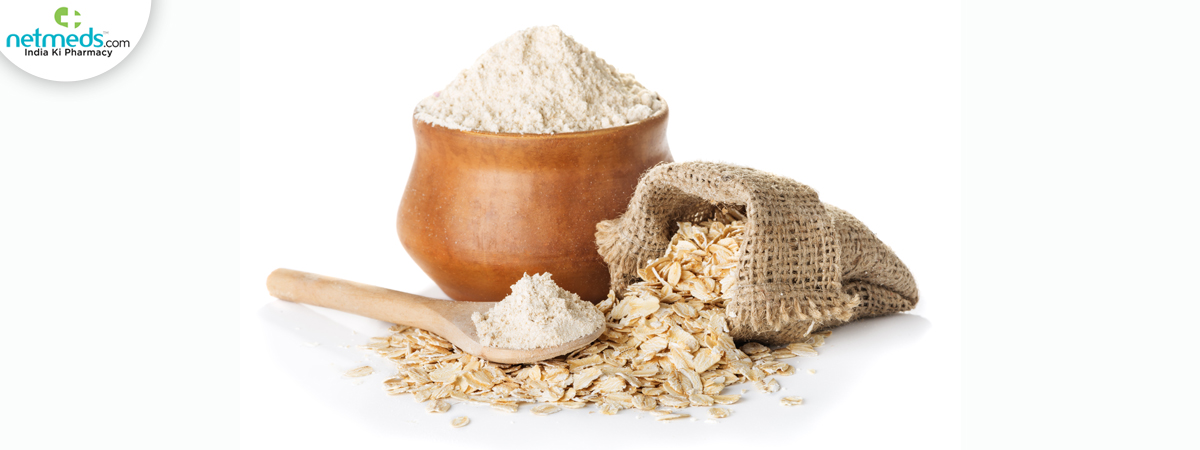
What Is Emmer Wheat?
Emmer, a wheat type from the Triticum group, also called Triticum dicoccum, is sometimes linked to the Italian grain farro. The word farro can mean different old wheat types depending on where you are. Unlike bread wheat, emmer has a hard cover that stays on the grain after it is separated. This means more work is needed to remove the cover before the grain can be used as food. Emmer has two sets of genes and is important in making wheat types like durum wheat. Modern bread wheat came from mixing between old wheat and another plant called Aegilops Tauschii.
Also Read: Barley: Know Why You Should Include This Whole Grain In Daily Diet
History Of Emmer Wheat
Emmer has a long history in farming. Wheat started to be grown about 10,000 years in the Fertile Crescent, now part of West Asia. Emmer was one of the kinds of wheat that people grew, and it became a main food during the Neolithic period. Evidence from places and genes shows it was grown early in parts of Syria, Turkey, and nearby areas. An important grain in old farming societies, it was grown in parts of the Middle East and the Mediterranean and was also a main grain in ancient Egypt. Its new popularity now is high because of interest in more kinds of farming, traditional foods, and the good parts of old wheat types.
Is Emmer Wheat Better Than Modern Wheat?
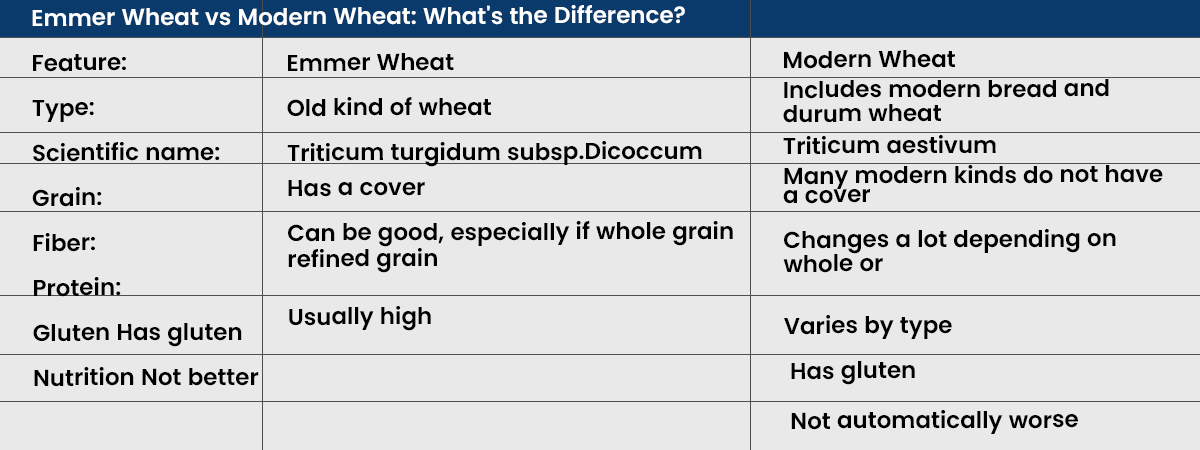
This is one of the questions about emmer wheat, but there is no clear yes or no answer. Some studies say that some old wheats, including emmer, can have more of some nutrients or helpful stuff than some wheat types. Emmer can provide protein, fibre, minerals, and other good plant stuff. But comparing modern wheat is hard because the types are different in genes and are affected by soil, weather, how they are grown, and how they are processed. Important to note is that studies do not say modern wheat is bad or that emmer is always better. One study found that old and new wheats can be different in some parts. The total evidence does not say that modern wheat is worse because of growing. So, emmer can be a grain, but just being old does not make it better.
Also Read: Type 2 Diabetes Mellitus: Causes, Symptoms And Treatment
Possible Benefits Of Emmer Wheat
Provides Fiber
Emmer has fibre, especially when eaten as a grain or not very processed. Fiber helps the digestive system work normally and can be an added benefit in a diet. The real fibre amount, however, depends on if it is whole grain or refined flour.
Has Protein
Emmer gives plant-based protein along with carbs. Some studies on wheats have said emmer has a lot of protein, but the amount can be different between types and where it grows. For people who eat a variety of foods, whole grains like emmer can help with overall protein needs.
Has Minerals And Other Nutrients
Emmer has minerals and other small nutrients but the exact makeup changes. Studies on wheat types have found nutrients and helpful compounds like minerals, phenolic compounds, and fibre. The nutrition can also depend on how the grain is made into flour and how it is cooked.
Contains Phenolic Compounds
Emmer and other old wheats have plant chemicals, like phenolic compounds and other antioxidants. These things are being looked at for their potential health benefits, and foods with such components and antioxidants are highly sought after.
Adds Choice To The Diet
One good thing about emmer is that it adds more to the diet. Eating whole grains can help make a balanced diet with more types of foods and nutrients. Emmer can be used in things like bread, pasta, porridge, and other dishes depending on how it's bought and prepared.
Things To Be Careful About When Eating Emmer Wheat
Even though it is old, emmer's still wheat and is not for people with coeliac disease.
· Emmer has gluten. People with coeliac disease must avoid any wheat that has gluten, including all types. It may also not be good for people who have a confirmed wheat allergy.
· If you have problems after eating wheat, do not think that changing to emmer is safe. Some people can handle some wheat products differently. That does not make emmer gluten-free or safe for coeliac disease.
· It is also important to remember that something made with emmer flour is not automatically good. Bread, cookies, pasta or other foods can still have a lot of salt, sugar or fat based on the recipe.
· If you are adding emmer to your diet, start with an amount and think about your whole diet instead of just one super grain.
Also Read: Wheat Bran: Nutrition, Health Benefits, Uses And Side Effects
Frequently Asked Questions
Is emmer wheat the same as wheat?
No. Emmer is a type of tetraploid wheat, while modern wheat includes types like common bread wheat and durum wheat. Emmer, however, is part of how modern wheat came to be.
Is emmer wheat gluten-free?
No. Emmer is a kind of wheat and has gluten. It should not be seen as a gluten- choice for people with coeliac disease.
Is emmer wheat better than wheat?
Not always. Emmer may have amounts of fibre, protein, minerals, and helpful stuff, but studies do not say it is always better than modern wheat. The nutrition also depends on the type. How the grain is made.
Can people with diabetes eat emmer wheat?
Eating emmer or another wheat type does not automatically make a meal good for diabetes. How much you eat, how it is cooked, the carbs, and the rest of the meal matter. People with diabetes should think of emmer as one whole grain in a good eating plan.
Is emmer wheat good for digestion?
Emmer can provide fiber, which helps digestion. People with coeliac disease, wheat allergy, or problems with wheat should not think that emmer is right for them.
Conclusion
Emmer wheat is a grain with an interesting past and a good set of nutrients. It can provide protein, fibre, minerals, and other plant nutrients, especially when it is not very processed or as a grain. Studies do not say that emmer is always better than wheat. For people, how good the whole diet is, choosing whole grains over refined, how much you eat, and how the food is made are more important. For those who like the taste or want to eat different grains, emmer can be a good choice. Those with coeliac disease or wheat allergy should not eat it unless a doctor says it is okay.
References:
https://pmc.ncbi.nlm.nih.gov/articles/PMC10297139/
https://pmc.ncbi.nlm.nih.gov/articles/PMC5824670/
https://pmc.ncbi.nlm.nih.gov/articles/PMC7756780/
https://pmc.ncbi.nlm.nih.gov/articles/PMC4488568/
https://pubmed.ncbi.nlm.nih.gov/35915783/
https://pubmed.ncbi.nlm.nih.gov/29065353/
https://pmc.ncbi.nlm.nih.gov/articles/PMC9104265/
https://pmc.ncbi.nlm.nih.gov/articles/PMC6950659/
https://pubmed.ncbi.nlm.nih.gov/37372622/
https://pmc.ncbi.nlm.nih.gov/articles/PMC8467621/
 Previous


