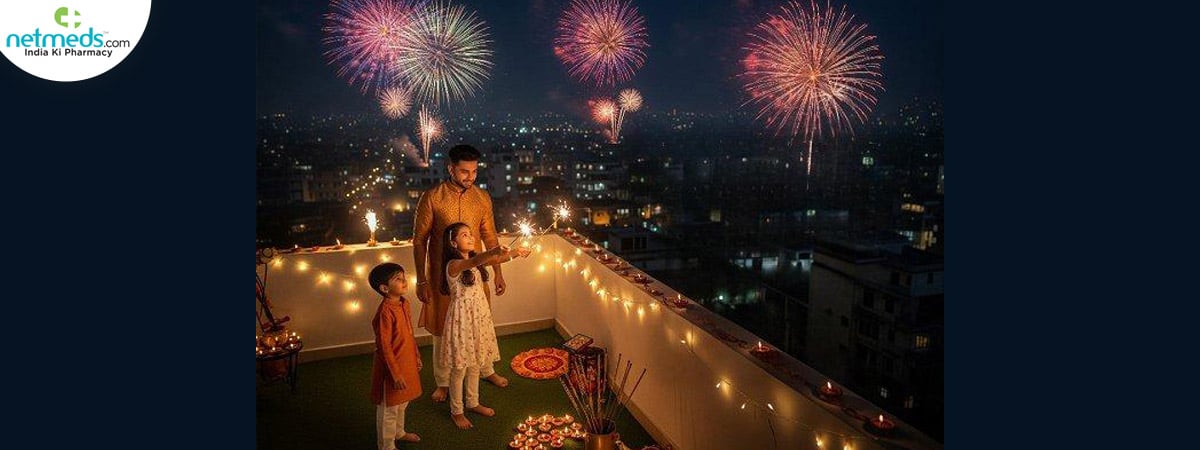
Diwali brings lights, laughter, family, and good food. But mixed into all the celebrations, there is a risk many people don’t think about; how loud firecrackers can harm children’s ears. Kids’ ear is extra sensitive to loud or sudden sounds, and a firecracker exploding nearby isn’t just startling, it can actually damage their hearing.
Also Read: Diwali Safety Tips: Effective Ways To Safeguard Yourself From Fireworks
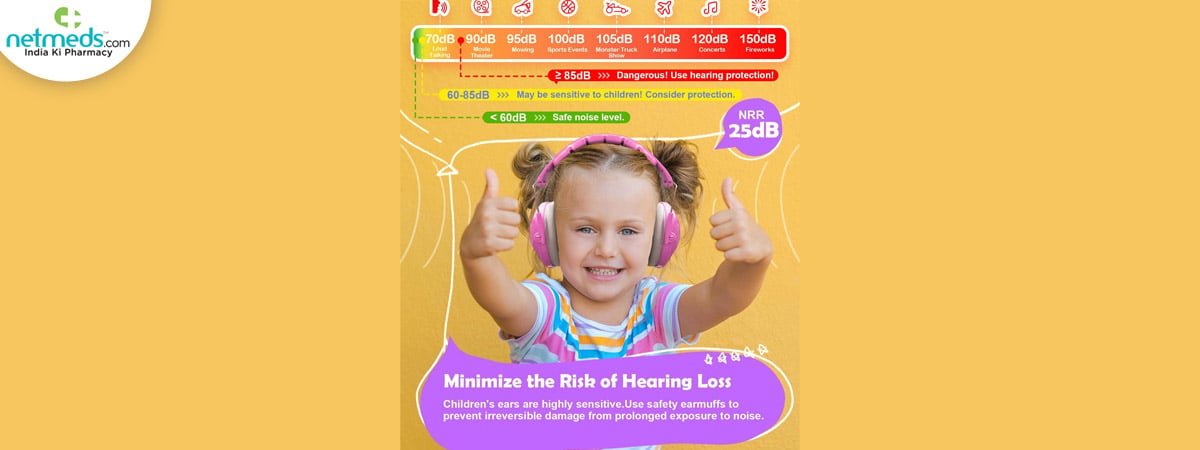
It is not just a theory; there is research on this. The National Institute on Deafness and Other Communication Disorders (NIDCD) says fireworks can hit 140 to 160 decibels. That is louder than a jet engine taking off, and several studies during Deepawali have found real hearing problems after kids were around firecracker noise.
For Optimal Health And Well-Being, Shop From Our Best-Selling Health Supplements
But you can still have fun, parents just need to be aware and take a few simple steps to keep kids’ ears safe.
Also Read: Smart Diwali Guide for Chronic Illness: Celebrate Safely And Protect Your Health
How Do Firecrackers Damage Ears?
Inside the ear are tiny sound-sensing cells. When things get too loud, these cells get overwhelmed or even destroyed. That is how noise-induced hearing loss happens. Sometimes it builds up over time from repeated loud sound. Other times, one blast is all it takes. Firecrackers pack a punch, a sudden, intense shockwave right next to a child’s ear is bad news.
Several things make a difference:
How loud is the firecracker?
How close does the explosion happen?
How long have kids are around loud noise?
How often does it happen?
The closer and louder the blast, the bigger the risk.
Did You Know?
One Deepawali study looked at 600 people and found some firecrackers hit an average of 150 dB at just 3 meters away. Kids aged 9 to 15 got hit the hardest.
What Is Noise-Induced Hearing Loss?
Noise-induced hearing loss, or NIHL, is when ears are damaged from really loud sounds. It doesn’t always show up right away. Kids might lose hearing gradually or notice a sudden change after one loud event. Sometimes it gets better in a few hours. Sometimes it doesn’t.
Kids may not realise there is a problem, especially if it’s mild. A few warning signs:
Ringing or buzzing in the ears (tinnitus)
Muffled sounds
Trouble following what people say
Needing the TV or phone louder than before
Complaining about uncomfortable ears after noise
If these problems don’t clear up soon after loud noise, talk to a doctor.
Can One Firecracker Hurt Kids’ Hearing?
Definitely. Just one huge bang close to the ear can do damage. The CDC warns about this, too: a firecracker exploding right by the ear is enough to cause noise-induced hearing loss.
Researchers have seen kids with permanent hearing damage, ear pain, eardrum holes, and long-term ringing after playing with toy bullets or firecrackers. That is why you shouldn’t let children light or hold them or stand too close.
7 Ways To Protect Your Child’s Hearing During Diwali
Keep Kids Away from Firecrackers
Distance really does keep ears safe. The farther your child is from a bursting firecracker, the lower the risk to their hearing. Always keep kids well back from where fireworks are going off, and never let them get close to an ignited cracker.
Try Child-Sized Hearing Protection
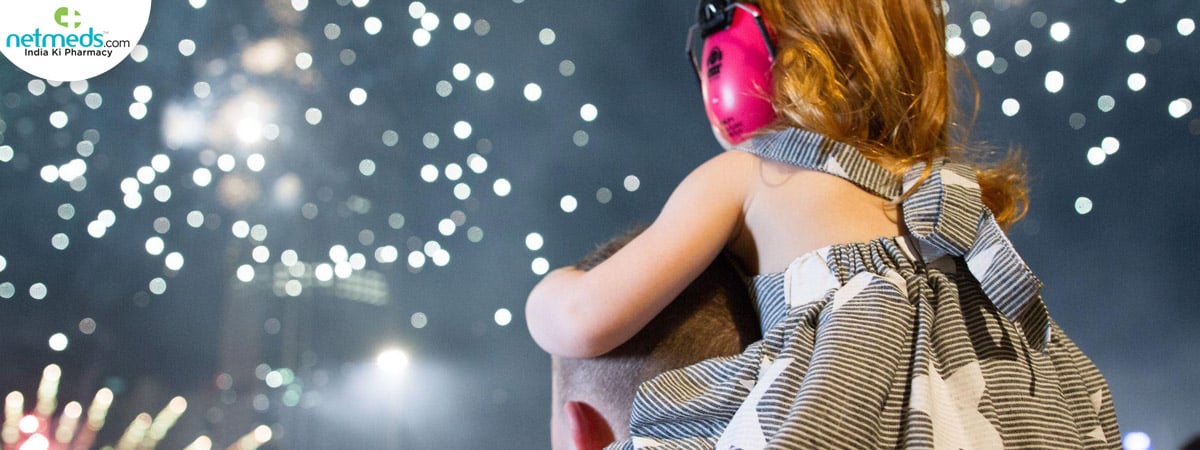
If your child will be near fireworks or any loud celebration, earmuffs or earplugs can make a huge difference. They cut down the intensity of sound that actually reaches their ears. Make sure you find protectors that actually fit your child, comfortable and snug, not too big or small.
Go for a Quieter Celebration
Who says Diwali is only about firecrackers? There are plenty of other fun ways for children to celebrate, like decorating diyas, making rangoli, doing festive crafts, even just enjoying traditional music (just keep the volume reasonable). Focusing on quieter traditions lowers the amount of loud noise everyone has to deal with.
Don’t Let Kids Light Firecrackers Near Their Faces
Children shouldn’t hold firecrackers, especially not close to their face or ears. An unexpected blast can harm their ears, and there is a big risk of burns or other injuries. Follow all safety rules, and make sure you are on top of what is legal and safe in your area.
Give Their Ears a Break
If you have been near fireworks or a noisy celebration for a while, move your child to a quieter spot. Even a short break helps. Let their ears rest and recover before getting back to the fun.
Pay Attention to Signs of Trouble
If your child says things like, “My ears are ringing,” “Everything sounds muffled,” or “It hurts,” don’t brush it off. Sometimes these symptoms go away, but if they stick around, see a doctor.
Teach 3 Simple Hearing Safety Rules
There are three easy things every child should remember:
Turn the volume down.
Move away from loud sounds.
Wear hearing protection when needed.
Learning these simple habits helps keep their hearing safe, not just during Diwali, but all year round.
What To Do If Your Child’s Ears Hurt After Firecrackers?
If your child has persistent ringing, pain, dizziness, struggles to hear, or you see ear discharge, don’t wait, go to a pediatrician or ENT specialist. Don’t put oil, drops, or home remedies in their ear unless a doctor says so. If there was a blast close to their ear, get it checked quickly.
Why Do Children Need Special Protection?
Kids are often right in the middle of celebrations and may not realize something is too loud. Sound exposure adds up over time, too. Loud sounds damage hearing much faster. That is why healthy hearing habits matter, not just for Diwali, but all year.
A Quick Safety Checklist For Parents
Before you celebrate, remember:
Keep kids far away from firecracker blasts
Use distance and proper ear protection
Never let kids hold firecrackers up close
Take lots of sound breaks
Suggest quieter activities
Watch for complaints about hearing
Get medical help if ear trouble doesn’t go away
Conclusion
Diwali is about joy and togetherness, don’t let hearing loss become a part of your child’s memories. Fireworks add excitement, but they also make a lot of noise, and loud sounds can leave lasting damage. Just a little care, distance, ear protection, listening when kids complain, makes Diwali celebrations safer for everyone.
Let the festival light up your life, not hurt your child’s hearing.
Frequently Asked Questions
Can Diwali firecrackers damage children’s hearing?
Absolutely, if a firecracker explodes close by, it can cause temporary or even permanent hearing loss.
Can children use earplugs during Diwali?
Yes, as long as they fit well. Earmuffs can be easier for little kids.
What are early signs of hearing damage after fireworks?
Ringing, muffled sounds, trouble understanding speech, dizziness, or ear pain, get them checked out if these last.
How can parents protect children’s ears during Diwali?
Keep them away from firecrackers, reduce time near loud noises, use hearing protection, and pick quieter fun.
Is ringing in the ears after fireworks normal?
It can happen, but if it sticks around, see a doctor. Don’t ignore lasting symptoms.
References:
- NIDCD – Protect Your Child’s Hearing — guidance on fireworks, hearing protection and children's hearing safety. Read the resource
- NIDCD – Noise-Induced Hearing Loss — explains how loud and sudden sounds can cause temporary or permanent hearing damage. Read the resource
- NIDCD – How Does Noise Damage Your Hearing? — explains the role of loudness, distance and duration in hearing damage. Read the resource
- NIDCD – How Loud Is Too Loud? — provides information on hazardous noise and hearing protection. Read the resource
- WHO – Deafness and Hearing Loss: Safe Listening — current safe-listening recommendations, including reducing exposure and taking breaks. Read the WHO guidance
- CDC – What Causes Noise-Induced Hearing Loss — identifies a single loud sound such as a nearby firecracker as a potential cause of hearing loss. Read the CDC resource
- PubMed – Toy Weapons and Firecrackers: A Source of Hearing Loss — study examining firecracker noise and hearing outcomes during Deepawali. Read the study
- PubMed – Inner Ear Damage in Children Due to Noise Exposure From Toy Cap Pistols and Firecrackers — retrospective review of documented injuries in children. Read the study
- PubMed – Inner Ear Damage by Firecracker Trauma — research examining hearing and inner-ear effects associated with firecracker injuries. Read the study
- WHO – Deafness and Hearing Loss — information on prevention and safe-listening strategies across the life course. Read the WHO fact sheet
 Previous