Dashmulyadi Kashay is a traditional Ayurvedic herbal decoction associated with supporting respiratory comfort, digestion, joint health and overall well-being. It is prepared using a combination of medicinal plants, including Dashamoola, a classical group of ten roots, along with additional herbs that vary according to the formulation.
Also Read: Dashamoola: Benefits, Uses, Ingredients, Dosage And Side Effects
Ayurveda traditionally uses herbal decoctions, known as Kashaya or Kwatha, to address specific health concerns based on an individual's symptoms, digestive strength and Dosha balance. Dashmulyadi Kashay is one such formulation that combines several botanicals traditionally valued for their digestive, Vata-balancing and other therapeutic properties.
However, the exact ingredients and proportions of Dashmulyadi Kashay may differ between classical references and manufacturers. Traditional Ayurvedic uses should also be distinguished from benefits established through modern clinical trials. Research on individual herbs or related Dashamoola preparations does not necessarily prove that every Dashmulyadi Kashay product provides the same effects.
Want A Panacea For All Your Health Anomalies? Choose From Our Wide-Range Of Ayurvedic Formulations!
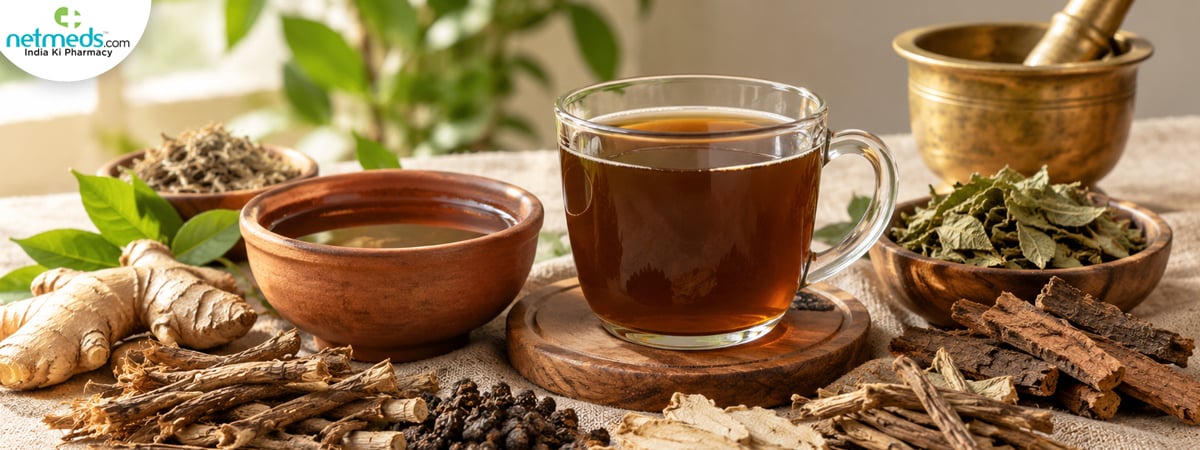
What Is Dashmulyadi Kashay?
Dashmulyadi Kashay, also written as Dashamulyadi Kashaya, is a traditional Ayurvedic polyherbal decoction prepared using Dashamoola and several additional medicinal herbs.
A formulation described in Ayurvedic literature includes Dashamoola, Guduchi, Haritaki, Devadaru, Punarnava, Shigru and Shunthi. It is traditionally associated with conditions described in Ayurveda as Jvara (fever), Vidradhi (abscess) and Sotha (swelling).
The term Kashay refers to a liquid herbal preparation made by extracting constituents from plant materials, usually through boiling in water. Unlike fermented Ayurvedic preparations, a Kashay is generally a decoction rather than an alcoholic herbal tonic.
The formulation's traditional therapeutic rationale involves supporting Agni (digestive function), balancing Vata and Kapha Doshas, and addressing symptoms associated with swelling and inflammatory conditions.
Important distinction: Dashmulyadi Kashay is not interchangeable with every Dashamoola Kashayam or Dashmoolarishta. Their compositions, preparation methods and intended uses can differ.
Dashmulyadi Kashay Product Description
Dashmulyadi Kashay is generally prepared as a liquid decoction or supplied as a product made from concentrated herbal extracts, depending on the manufacturer.
Its main botanical foundation is Dashamoola, meaning a combination of ten medicinal roots. The additional herbs are selected in traditional formulations to complement the properties of this root combination.
Common characteristics include:
Form: Liquid decoction or a product prepared from herbal extracts.
Composition: Dashamoola with additional herbs, depending on the classical reference and manufacturer.
Traditional applications: Supportive use in selected conditions associated with fever, swelling and inflammatory symptoms.
Administration: Taken according to the specific product instructions and a qualified practitioner's advice.
There is limited high-quality clinical evidence specifically evaluating Dashmulyadi Kashay as a complete formulation. Research on individual ingredients or related Dashamoola preparations cannot establish that the finished product is effective for every condition for which it is traditionally used.
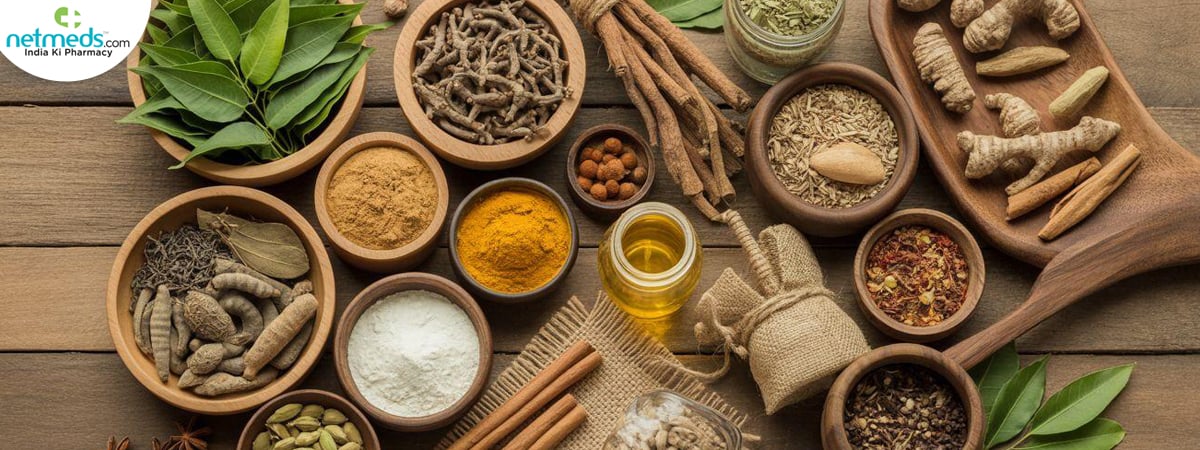
Ingredients Of Dashmulyadi Kashay
The formulation described in a traditional preparation reference includes Dashamoola and six additional herbal ingredients, along with water for preparing the decoction.
1. Dashamoola: Ten-Root Combination
Dashamoola is the principal ingredient and comprises ten botanical drugs traditionally grouped into two categories.
Brihat Panchamoola (five larger trees):
- Bilva: Aegle marmelos
- Agnimantha: Premna species
- Shyonaka: Oroxylum indicum
- Patala: Stereospermum suaveolens
- Gambhari: Gmelina arborea
Laghu Panchamoola (five smaller plants):
- Shalaparni: Desmodium gangeticum
- Prishniparni: Uraria picta
- Brihati: Solanum indicum
- Kantakari: Solanum xanthocarpum
- Gokshura: Tribulus terrestris
2. Guduchi: Tinospora cordifolia
3. Haritaki: Terminalia chebula
4. Devadaru: Cedrus deodara
5. Punarnava: Boerhavia diffusa
6. Shigru: Moringa oleifera
7. Shunthi: Zingiber officinale
Note: The ingredients above describe a documented formulation, not a guarantee of the composition of every product sold under a similar name. Check the label or classical reference before publishing a definitive ingredient list for a specific brand.
Method Of Preparation
The preparation method for Dashmulyadi Kashay depends on its classical reference and manufacturing specifications.
A traditional decoction is generally prepared through the following process:
Identify, clean and measure the specified medicinal plant materials to the prescribed formulation.
Coarsely cut and powder the herbal materials depending on the preparation method.
Add water in the quantity specified by the applicable classical reference or manufacturing protocol.
Heat the mixture to extract water-soluble constituents from the herbs.
Simmer the decoction until it reaches the prescribed volume.
Filter the liquid to remove coarse plant residue.
Allow the commercial preparation to undergo appropriate manufacturing and quality-control procedures before packaging.
The proportions and final reduction must follow the relevant formulation rather than a generic recipe. The exact Dashamulyadi Kashaya preparation described in Ayurvedic literature may differ from other Dashamula decoctions.
Do not assume that a homemade decoction will have the same strength, stability or composition as a commercially manufactured product.
Medicinal Qualities Of Dashmulyadi Kashay
The traditional medicinal qualities of Dashmulyadi Kashay are attributed to its combination of herbs rather than to a single ingredient.
In Ayurvedic practice, the formulation is associated with:
Vata-Kapha balancing: Its ingredients are traditionally selected to address certain patterns of Vata and Kapha aggravation.
Traditional anti-inflammatory applications: The formulation is used in Ayurvedic approaches to swelling and related complaints.
Digestive support: Ingredients such as Haritaki and dried ginger have established roles in traditional digestive formulations.
Fever-related applications: Certain classical references list the formulation among preparations used for fever, although fever requires assessment of its underlying cause.
Multi-herb therapeutic action: Ayurveda considers the combination, proportions and properties of individual ingredients when selecting a formulation.
Modern pharmacological research on individual medicinal plants may provide clues about their biological activity. Nevertheless, laboratory findings and traditional use do not establish that the complete Dashmulyadi Kashay formulation is clinically effective for a particular disease.
Ayurvedic Properties Of Dashmulyadi Kashay
In Ayurveda, the therapeutic selection of a herbal formulation is based on its traditional properties, the individual's Dosha balance, digestive capacity and overall health.
Dosha-related properties
Dashamula-based preparations are traditionally associated with balancing Vata and Kapha Doshas. The additional herbs in Dashmulyadi Kashay may contribute their own properties, so the overall Ayurvedic interpretation depends on the exact formulation.
Vata Dosha: Traditionally associated with movement, the nervous system and musculoskeletal functions.
Kapha Dosha: Associated with stability, structure and lubrication.
Agni: Refers to digestive and metabolic functions in Ayurvedic theory.
Ama: A traditional Ayurvedic concept associated with incompletely processed substances and impaired digestion.
These concepts belong to the Ayurvedic framework and do not correspond directly to modern medical diagnoses or measurable physiological processes.
A qualified Ayurvedic physician should determine whether Dashmulyadi Kashay is appropriate for an individual's constitution, symptoms and medical history.
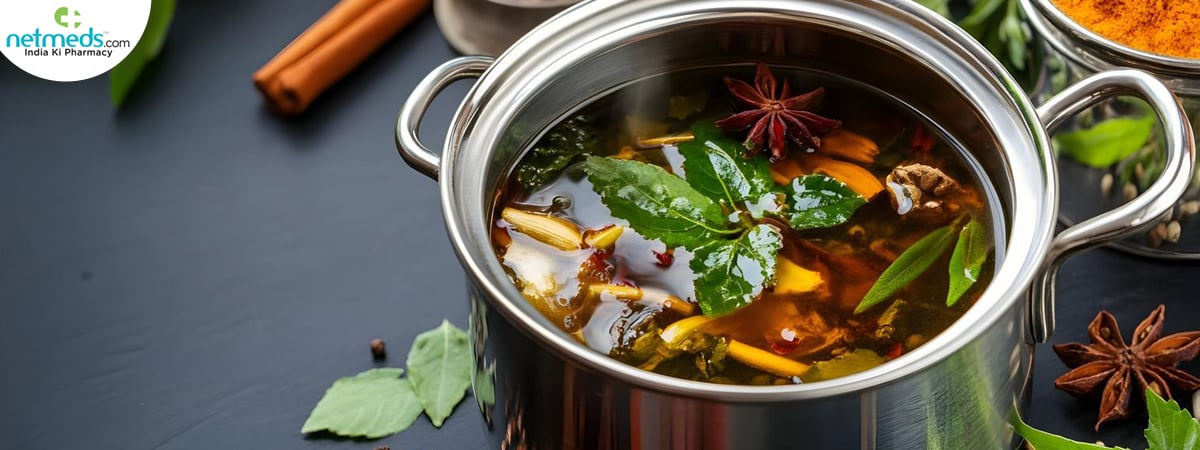
10 Potential Health Benefits And Traditional Uses Of Dashmulyadi Kashay
Manages Inflammatory Complaints
Modern scientific perspective: Several plants used in traditional Ayurvedic medicine have been investigated for their phytochemicals and potential anti-inflammatory activities in laboratory and preclinical research. However, these findings do not establish that Dashmulyadi Kashay reduces inflammation or treats inflammatory diseases in humans. More formulation-specific clinical research is required.
Ayurvedic perspective: Dashmulyadi Kashay is traditionally associated with Sotha, an Ayurvedic term commonly translated as swelling. Practitioners may consider it as part of a broader treatment approach after assessing the cause and nature of the symptoms. Persistent or sudden swelling requires medical evaluation, as it can indicate an underlying condition.
Also Read: What Is Rheumatoid Arthritis? Learn How To Deal With It
Treats Swelling
Modern scientific perspective: Swelling can occur because of injury, infection, allergic reactions, inflammation, or problems affecting the heart, kidneys and liver. Although some ingredients in traditional herbal formulations are being studied for their biological activities, there is insufficient clinical evidence to establish Dashmulyadi Kashay as an effective treatment for oedema or unexplained swelling.
Ayurvedic perspective: Punarnava and other herbs have traditional associations with fluid balance and swelling-related complaints. In an Ayurvedic formulation, their properties are considered alongside those of the other ingredients. The decoction should not replace prescribed diuretics or treatment for underlying organ disease.
Remedies Fever
Modern scientific perspective: Fever is a symptom rather than a disease and may result from viral or bacterial infections, inflammatory conditions and other causes. Some medicinal plants are being studied for their biological effects, but robust clinical evidence demonstrating that Dashmulyadi Kashay safely reduces fever or treats its underlying cause is lacking.
Ayurvedic perspective: Certain classical references describe Dashamulyadi Kashaya for Jvara, the Ayurvedic term for fever. Its traditional use is guided by the patient's symptoms and overall condition. Persistent fever, breathing difficulty, confusion, dehydration or severe weakness warrants prompt medical attention.
Also Read: Viral Fever: 5 Incredible Natural Herbs To Combat Viral Fever
Aids Digestion
Modern scientific perspective: Haritaki and ginger are used in traditional digestive preparations, and individual ingredients have been investigated for gastrointestinal effects. However, these findings cannot confirm that the complete Dashmulyadi Kashay improves digestion, treats indigestion or corrects digestive disorders.
Ayurvedic perspective: Ayurveda considers Agni, or digestive capacity, when choosing herbal formulations. Ingredients such as Haritaki and Shunthi are traditionally associated with digestive support. People experiencing persistent abdominal pain, vomiting, blood in the stool or unexplained weight loss should seek medical evaluation rather than relying on herbal decoctions.
Also Checkout: Digestive Health: 5 Amazing Herbs For Uplifting Gut Health And Function-Infographic
Supports Traditional Vata-Kapha Balancing
Modern scientific perspective: Vata and Kapha are Ayurvedic concepts rather than directly measurable medical conditions. There is no established clinical test showing that Dashmulyadi Kashay corrects a Dosha imbalance or that such correction produces a particular health outcome.
Ayurvedic perspective: The formulation is traditionally understood through its combined herbal properties, with Dashamula forming the central ingredient group. Practitioners may select it for specific symptom patterns believed to involve Vata and Kapha aggravation. Its suitability depends on individual assessment rather than a universal recommendation.
Fosters Musculoskeletal Comfort
Modern scientific perspective: Some medicinal plants used in Ayurvedic formulations have been investigated for their potential effects on inflammatory pathways and pain-related processes. Nevertheless, there is insufficient high-quality clinical evidence to establish Dashmulyadi Kashay as a treatment for arthritis, chronic back pain or joint inflammation.
Ayurvedic perspective: Dashamula is traditionally included in formulations used for certain Vata-related musculoskeletal complaints. An Ayurvedic practitioner may consider a suitable preparation as part of an individualised care plan. Persistent joint pain, severe back pain or pain accompanied by fever, weakness or loss of movement requires appropriate medical assessment.
Relieves Respiratory Troubles
Modern scientific perspective: Some herbs found in Dashamula formulations have a history of use in traditional respiratory preparations. However, the specific Dashmulyadi Kashay formulation should not be assumed to relieve cough, open the airways or improve lung function without supporting clinical evidence.
Ayurvedic perspective: Certain Dashamula-based decoctions are traditionally used for respiratory complaints associated with Vata and Kapha. However, different preparations have different ingredients and indications. Dashmulyadi Kashay should not be confused with Dashamoola Katutraya Kashayam, which contains additional herbs and has distinct traditional respiratory applications.
Wheezing, breathlessness, chest pain or worsening respiratory symptoms require prompt medical care.
Prevents Infections
Modern scientific perspective: Medicinal plants contain diverse natural compounds, and research into their biological activities continues. However, the presence of plant-derived compounds does not automatically demonstrate that a multi-herb decoction improves immunity, prevents infections or produces measurable improvements in overall health.
Ayurvedic perspective: Ayurveda traditionally uses multi-herb preparations within a broader approach that includes diet, sleep, physical activity and individualised care. Dashmulyadi Kashay may be considered by a practitioner for a specific traditional indication, but it should not be treated as a general-purpose immunity booster.
Offers Traditional Recovery Care
Modern scientific perspective: Recovery from illness depends on the underlying condition, nutritional status, hydration, rest and appropriate treatment. There is insufficient clinical evidence to conclude that Dashmulyadi Kashay accelerates recovery, restores energy or shortens the duration of an infection.
Ayurvedic perspective: Ayurvedic treatment plans may incorporate herbal formulations according to the person's strength, symptoms and digestive capacity. A practitioner should decide whether this decoction is appropriate during recovery. Adequate nutrition, hydration, rest and recommended medical treatment remain important.
Provides A Traditional Multi-Herb Formulation Approach
Modern scientific perspective: Combining herbs can produce complex chemical interactions. The effects and safety of a complete formulation cannot be predicted solely from studies of its individual ingredients. Research is needed to establish its composition, dosage, safety profile and clinical effectiveness.
Ayurvedic perspective: Dashmulyadi Kashay reflects the traditional Ayurvedic practice of combining herbs with complementary properties. The formulation is selected according to its classical indications and the patient's condition. Its multi-herb nature makes accurate identification, standardised manufacturing and professional guidance particularly important.
Also Read: Ayurveda And Herbal Remedies: Understanding Their Uses And Precautions
Dashmulyadi Kashay Dosage
There is no single universally appropriate dosage for every product sold under the name Dashmulyadi Kashay.
The correct dose depends on several factors:
The exact formulation and its ingredients.
Whether the product is a liquid decoction, concentrate or tablet.
The concentration and quantity of herbal extracts.
The individual's age and overall health.
The symptoms being addressed and the practitioner's treatment plan.
Other medicines or supplements being used.
Some other Dashamula-based decoctions have published dosing instructions, but these should not be transferred to Dashmulyadi Kashay because their compositions may differ.
Take the product only according to the label and the instructions of a qualified healthcare professional. Do not increase the dose, extend the duration of use or combine it with other herbal formulations without advice.
Dashmulyadi Kashay Side Effects
Reliable clinical data on the adverse effects of the complete Dashmulyadi Kashay formulation are limited. The possibility of side effects depends on the ingredients, their concentration, the dose and the individual's health.
Potential concerns include:
Digestive discomfort: Herbal decoctions may cause nausea, abdominal discomfort or changes in bowel movements in some individuals.
Allergic reactions: Sensitivity to one or more plant ingredients may cause itching, rashes or other allergic symptoms.
Interactions with medicines: Some herbs can affect the action or tolerability of prescription medicines.
Variable product quality: Incorrect identification, contamination, adulteration or inconsistent concentrations may increase the risk of harm.
Ingredient-specific risks: Safety considerations differ among the herbs used in the formulation, particularly for people with existing medical conditions.
Stop taking the product and seek medical advice if you develop concerning symptoms. Facial or throat swelling, difficulty breathing, fainting or other signs of a severe reaction require emergency medical care.
Precautions While Using Dashmulyadi Kashay
Do not self-medicate: Consult a qualified practitioner to establish whether the formulation is appropriate for your symptoms.
Pregnancy and breastfeeding: Avoid use unless your obstetrician and qualified healthcare professional have reviewed the formulation and consider it appropriate. Safety information for the complete combination may be limited.
Existing medical conditions: People with kidney, liver, heart or gastrointestinal conditions should seek professional advice before use.
Check medicine interactions: Tell your doctor about all prescription medicines, over-the-counter drugs and supplements you take. Do not discontinue prescribed treatment to use an Ayurvedic formulation.
Children and older adults: Seek individualised medical guidance before administering the product, as dosing and safety considerations may differ.
Persistent fever or swelling: Do not rely on the decoction alone. These symptoms may require diagnosis and treatment of an underlying illness.
Choose a reliable product: Check the manufacturer's details, ingredient list, batch number, expiry date, storage instructions and applicable quality certifications.
Follow storage instructions: Store the preparation as directed on the label. Refrigeration may be necessary for certain liquid products after opening.
Avoid unverified homemade preparations: Incorrect plant identification, inappropriate proportions and poor hygiene can affect safety and quality.
Conclusion
Dashmulyadi Kashay is a traditional Ayurvedic herbal decoction associated with the Dashamula group of medicinal roots and additional herbs. Depending on its precise composition, it is traditionally used in Ayurvedic approaches to fever, swelling and certain inflammatory complaints.
Its ingredients, including Dashamula, Guduchi, Haritaki, Devadaru, Punarnava, Shigru and Shunthi, have distinct roles in traditional Ayurvedic practice. However, the complete formulation should not be assumed to provide clinically proven benefits for inflammation, fever, digestive problems or other health conditions.
Scientific evidence specifically evaluating Dashmulyadi Kashay remains limited. The safety and effectiveness of the preparation depend on its exact composition, manufacturing quality, dosage and the individual's health status.
If you are considering Dashmulyadi Kashay, consult a qualified Ayurvedic physician or healthcare professional before use. Appropriate diagnosis, reliable product selection and adherence to prescribed medical treatment are essential for safe and informed healthcare decisions.
References:
1. Experimental Evaluation of Analgesic, Anti-Inflammatory and Anti-Platelet Potential of Dashamoola — PubMed
https://pubmed.ncbi.nlm.nih.gov/25878458/
Relevant to: Preclinical research on the potential anti-inflammatory and pain-related effects of Dashamoola.
2. Botanical Identity of Plant Sources of Daśamūla Drugs Through an Analysis of Published Literature — Ancient Science of Life / PubMed Central
https://pmc.ncbi.nlm.nih.gov/articles/PMC3733204/
Relevant to: Botanical identification and the ten medicinal plants traditionally used in Dashamula.
3. Ethnomedicinal Uses, Phytochemistry and Pharmacological Properties of the Genus Boerhavia — PubMed
https://pubmed.ncbi.nlm.nih.gov/26844923/
Relevant to: Traditional uses, phytochemicals and research limitations concerning Boerhavia species, including Punarnava.
4. Phytochemical, Therapeutic, and Ethnopharmacological Overview for a Traditionally Important Herb: Boerhavia diffusa Linn. — PubMed Central
https://pmc.ncbi.nlm.nih.gov/articles/PMC4053255/
Relevant to: Traditional applications, phytochemical constituents and pharmacological research on Punarnava.
5. Ethnomedicinal Values of Boerhaavia diffusa L. as a Panacea Against Multiple Human Ailments: A State of Art Review — Frontiers in Chemistry
https://pmc.ncbi.nlm.nih.gov/articles/PMC10682173/
Relevant to: A review of Punarnava's traditional uses and reported biological activities, with discussion of the need for further validation.
6. Boerhavia diffusa L.: Integrative Traditional Uses, Phytochemistry, Pharmacological Properties, and Quality Control/Quality Assurance — Chemistry & Biodiversity
https://onlinelibrary.wiley.com/doi/full/10.1002/cbdv.202501724
Relevant to: Recent research on Punarnava's traditional uses, phytochemistry, pharmacological properties and quality control.
7. Tinospora — LiverTox, National Institute of Diabetes and Digestive and Kidney Diseases (NIDDK)
https://www.ncbi.nlm.nih.gov/books/NBK608429/
Relevant to: Safety considerations for Guduchi (Tinospora cordifolia), including reports of clinically apparent liver injury.
8. Ginger: Usefulness and Safety — National Center for Complementary and Integrative Health (NCCIH)
https://www.nccih.nih.gov/health/ginger
Relevant to: Evidence and safety considerations for Shunthi (Zingiber officinale), including possible gastrointestinal side effects and medicine interactions.
 Previous