


A term that people use online to describe puffiness, acne, dullness, or other changes that people think are from long-term stress, cortisol face is a trending term in the world of beauty. Cortisol is part of the body’s response to stress. Stress can affect the skin through hormonal, immune, and inflammatory pathways. Studies have linked stress with changes in the skin barrier, healing of wounds, and skin conditions that involve inflammation. While it can affect the skin, cortisol face, as such, is not a condition and can change on the face if cortisol levels are high.
Let's understand why this term is gaining popularity, what causes these skin changes, and whether stress and cortisol are responsible.
Also Read: 10 Best Skin Care Essentials To Invest In Summer
What Is Cortisol?
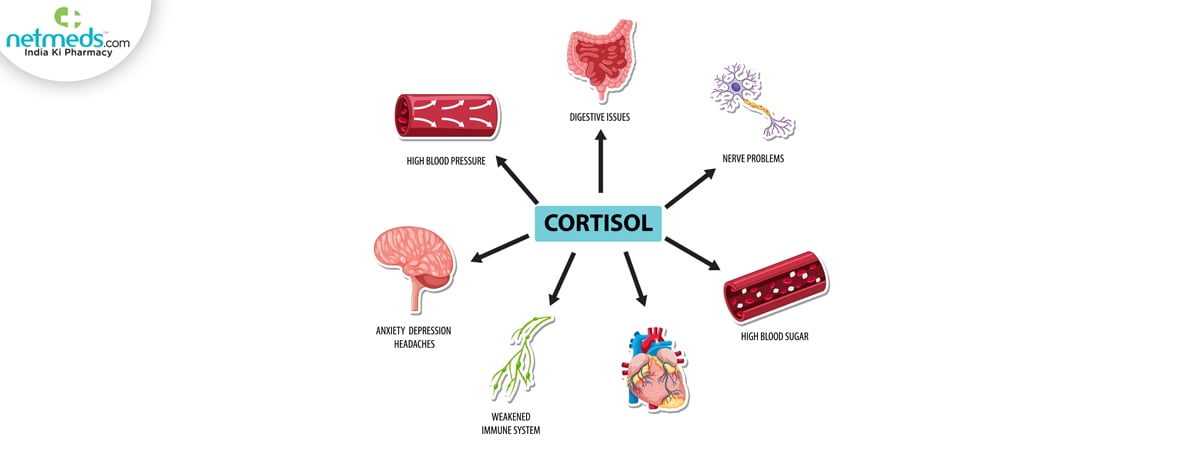
Cortisol is a hormone made by the glands, which are above the kidneys. It helps the body deal with stress and plays roles in metabolism, immune function, and blood pressure regulation. When someone is stressed, the brain, pituitary gland, and adrenal glands work together in a system called the HPA axis. This system causes the release of cortisol.
Cortisol is needed for body function. The problem is when stress lasts long or when a medical condition causes cortisol levels to stay high. The skin also has its way of dealing with stress. Research suggests that stress hormones can affect inflammation, the skin barrier, healing, and other processes.
What Does Cortisol Face Mean?
There is no face that proves someone has too much cortisol. By and large, it implies:
· A face that looks puffy or swollen
· A face that looks rounder
· New or worse acne
· Skin that looks dull or tired
· More redness or sensitivity
· Dry skin or changes in texture
· More visible fine lines
Some of these changes can happen during long periods of stress but they can also come from other things. For example, a night’s sleep can make the face look tired or puffy without any problem with cortisol. So, it is better to think of the face as showing possible changes from stress, not as a medical condition.
Also Read: 5 Amazing Natural Remedies To Combat Dry Skin - Infographic
How Can Stress Affect the Skin?
The connection between stress and skin is often called the brain-skin link. Stress can activate the HPA axis and other signals that affect skin cells and the immune system. One known effect is on the skin barrier. The outer layer of skin holds water. Protects against things that can hurt it. Studies show that stress can lower skin hydration, change the lipids and proteins in the skin, and let more water escape through the skin. Stress can also make existing skin problems worse. Doctors know that stress can be a trigger or make conditions like acne, eczema, psoriasis, and hives worse.
What Are the Symptoms and Skin Changes Linked to Stress
Stress does not affect all people's skin the same way. Possible changes include:
Acne and breakouts
Stress can make acne worse. The American Academy of Dermatology says stress can increase oil production, which may lead to pores and breakouts in people who get acne often. Stress is a factor but not the only cause.
Dry or sensitive skin
Stress can change the skin barrier, leading to water loss and more dryness. Some people may feel tightness or sensitivity.
Redness and inflammation
Stress can affect the way the body handles inflammation and the immune system. People with skin conditions may have more flare-ups when stressed.
Slower healing
Stress can interfere with skin healing. This does not mean every cut or injury will heal poorly but long-term stress can affect the process.
Changes linked to skin ageing
Research suggests that long-term stress can affect skin aging through changes in the barrier, oxidative stress, and other processes. A study found that stress can change skin texture and fine lines. More research is needed to understand this

5 Ways to Manage Stress-Related Skin Changes
Managing stress does not mean trying to remove cortisol from the body. The goal is to support stress handling while taking care of the skin. Here are some ways:
Get Good Sleep
Poor sleep can affect stress and skin health. Try to have a set time to sleep and wake up. Make sure your sleeping area is quiet and comfortable. If you keep having trouble sleeping, talk to a healthcare provider of just using skincare products.
Keep Skincare Simple
During stress, the skin may become more sensitive. Using many strong products at once can make things worse. A simple routine can include a cleanser, a good moisturizer, and daily sunscreen. Add products slowly instead of changing everything all at once.
Protect Skin from the Sun
Stress is not the cause of ageing skin. Sunlight is a cause of early aging and dark spots. Use a sunscreen with SPF 30 or higher and reapply as needed. Sun protection is important even if your skin is not showing stress changes.
Eat Meals and Drink Water
There is no specific food or diet that can remove stress-related face changes. Focus on eating balanced meals with vegetables, fruits, whole grains, beans, nuts, seeds, and proper protein. Drink water and avoid too much alcohol or processed foods when stressed. A balanced diet helps health but should not be seen as a treatment for high cortisol.
Treat Skin Issues Properly
If stress is linked to acne, eczema, psoriasis, hives, or other skin problems, treating the real issue is better than just lowering cortisol. A doctor can check if stress is part of the problem and suggest the right treatment.
Is a Puffy or Round Face a Sign of High Cortisol?
Not always. A puffy face can come from reasons like not enough sleep, allergies, water retention, diet, and medicines. A round face can also happen with Cushing’s syndrome, a condition with too much cortisol for a long time. Cushing’s syndrome can cause a round face along with other signs like easy bruising, stretch marks, muscle weakness, and weight gain around the middle. Long-term use of medicines can cause it as can problems with the pituitary or adrenal glands.
When to See a Doctor?
See a dermatologist if acne, redness, itching, dryness, or another skin problem lasts a long time, is painful, or keeps coming back. Talk to a doctor if you see unexplained facial swelling or many symptoms that might mean cortisol, such as unexpected weight gain, easy bruising, muscle weakness, or big stretch marks. A doctor can decide if your symptoms need checking and, if needed, test cortisol levels and look for a cause.
Conclusion
Cortisol face is not a medical condition, but a trending word used for skin woes. Stress can really affect the skin through hormonal, immune, and barrier pathways, causing acne, dryness, sensitivity, redness, and other changes. Instead of looking for quick fixes or products that are marketed saying they remove cortisol, it is better to focus on the things that help with stress: regular sleep, exercise, good food, stress techniques and a simple skincare routine. If facial changes continue or happen with strange signs, it is better to see a doctor instead of thinking it is just stress or cortisol. Get an assessment rather than believing that stress or cortisol is the cause.
 Previous


