World COPD Day 2026 puts a spotlight on lung health, urging everyone to take notice long before breathing becomes a daily struggle. This year, the campaign rolls out bold, eye-catching visuals, colourful stylised lungs, and a clear message: spot COPD early, manage it sooner, and live better. On November 18, people around the world are coming together to raise awareness about a disease that often creeps up unnoticed: chronic obstructive pulmonary disease, or COPD.
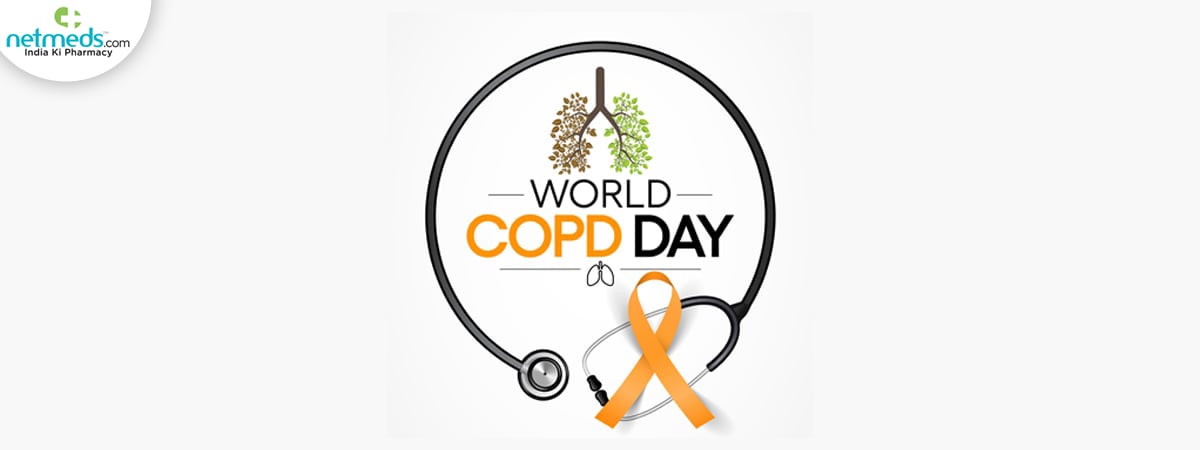
World COPD Day Theme 2026
The official theme for World COPD Day 2026 is “Early Diagnosis and Management for a Better Life,” chosen by the Global Initiative for Chronic Obstructive Pulmonary Disease (GOLD). The theme for 2026 is all about catching COPD earlier and starting treatment when it actually matters. If you have got a stubborn cough, keep losing your breath, wheeze a lot, or find yourself getting chest infections more often than usual, the message is clear: don’t brush these off as just “getting older” or nothing serious. Go see a doctor.
Also Read: World COPD Day 2024: Theme, Significance, And Effective Measures To Improve Breathing
This year, they are also putting a spotlight on spirometry. It is a simple breathing test that shows if your airways aren’t working right. If you catch COPD early, doctors can step in sooner, help you quit smoking, figure out how to avoid lung irritants, and set you up with the right treatment before things get worse.
Significance Of World COPD Day 2026
World COPD Day matters because, for so many people, COPD flies under the radar until their everyday life really starts to suffer. GOLD keeps stressing how much difference early detection makes: it eases your symptoms, slows the disease down, and lets you hang onto your quality of life for longer.
The day is also a reminder about what causes COPD in the first place: tobacco smoke, air pollution, and things you can often do something about. It is a push for people to quit smoking, steer clear of second-hand smoke, air out their homes, watch out for outdoor pollution, and protect themselves if they work around dust or fumes.
For doctors and health systems, this day is a wake-up call. Get better at screening for COPD, make pulmonary rehab more available, and stick with patients for the long haul, vaccinations, ongoing care, and helping prevent those sudden flare-ups all matter.
Also Read: World COPD Day 2025: Theme, Awareness Tips And 7 Simple Foods For Better Lung Health
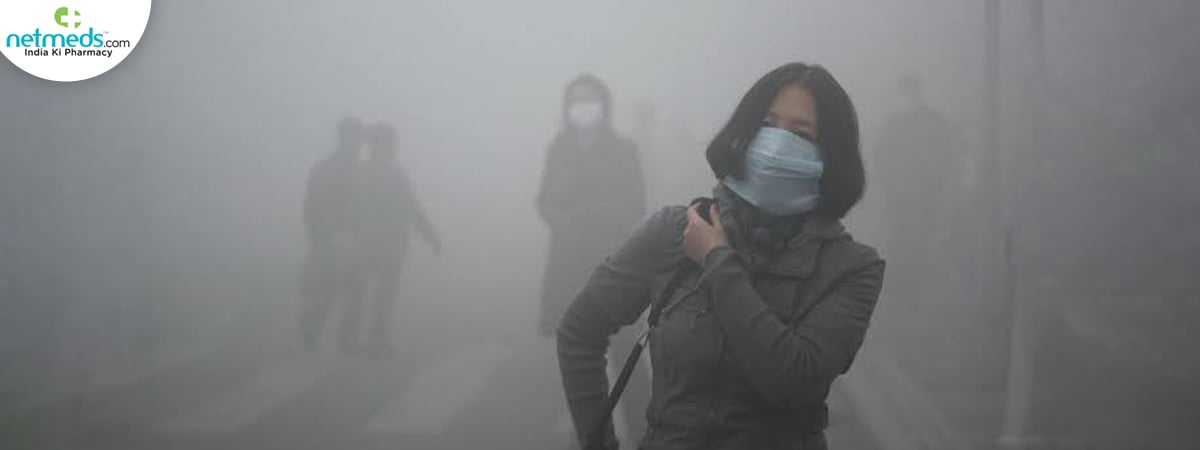
What Is COPD?
COPD isn’t just a medical term doctors throw around. It is a catch-all for progressive lung diseases like chronic bronchitis and emphysema, both of which make it harder and harder to catch your breath. At its core, COPD means your lungs can’t move air in and out as they should. Most of the time, it starts with long-term exposure to irritants, smoke, pollution, or industrial chemicals that leave behind invisible scars. Signs like a stubborn cough, extra mucus, chest tightness, or feeling winded just from daily chores tend to surface slowly. Many people ignore these symptoms or chalk them up to getting older or having yet another cold. But when symptoms linger or return again and again, it is usually your lungs calling out for help.
Why Air Pollution And Smoking Matter?
The biggest enemies of healthy lungs? Cigarettes top the list, and the numbers are hard to ignore. In wealthier countries, over 70% of COPD cases are blamed on smoking. In places where fewer people smoke, household pollution from open fires, wood stoves, or poorly ventilated kitchens becomes a major culprit. Air pollution doesn’t just drift in from factory smokestacks or busy streets; for millions, poisoned air circulates in their own homes. Even if you don’t smoke, spending hours in traffic, cooking over a smoky stove, or working in dusty conditions can quietly chip away at your lung health.
Here is how everyday habits can work against your lungs, sometimes without you even noticing:
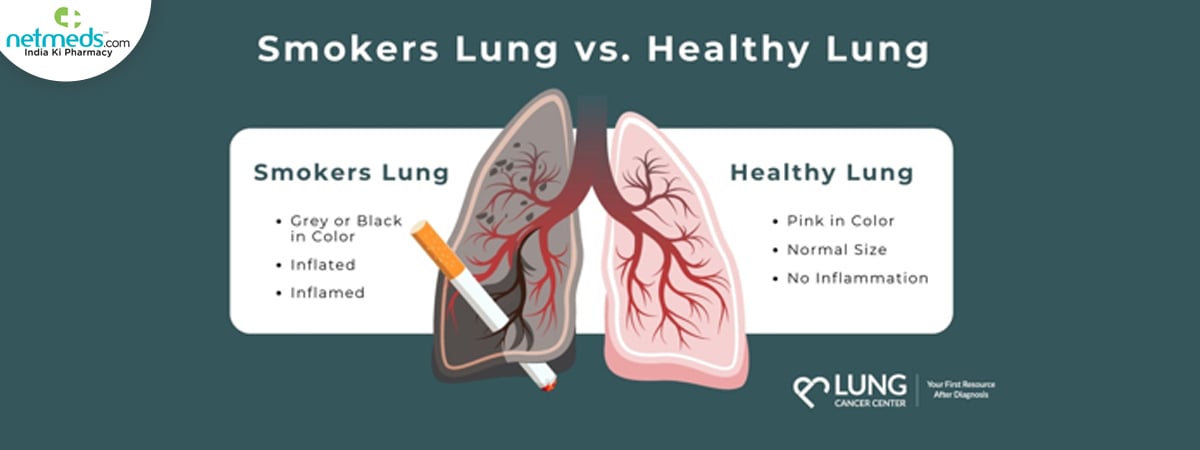
6 Everyday Habits That Can Damage Your Lungs
Smoking, or Just Being Around Smokers
You already know cigarettes are bad news, but it is not just about lighting up. Second-hand smoke carries many of the same chemicals, and your lungs pay the price, whether you are a smoker or just nearby. The smoke inflames, scars, and sabotages your lungs’ built-in cleaning team. Quitting at any stage, yes, even after years of smoking, gives your lungs a fighting chance to recover and helps prevent further damage if you already have COPD.
Cooking and Heating with Smoky Fuels
In many homes, the kitchen is the main culprit. Burning wood, coal, dried dung, or kerosene fills the air with tiny particles you can’t see but definitely inhale. Women, children, and anyone spending hours indoors get hit the hardest. To help your lungs, try cooking near open windows, install an exhaust fan, or swap out smoky fuels for cleaner alternatives if you can. Even simple changes in how you ventilate your home can make a difference.
Ignoring Dust, Fumes, and Chemicals
Work in construction, farming, factories, or even just repainting a room? Dust, paint fumes, and cleaning sprays stick to the air and end up deep inside your lungs. People who face these irritants daily, especially without masks or good ventilation, are more likely to develop COPD. Safety equipment isn’t just a workplace rule; it is a shield for your airways. Always open windows, follow safety guidelines, and take breaks to clear the air.
Spending Time in Poor Outdoor Air
On smoggy days, your lungs get less oxygen for the same effort. Car exhaust, smoke from nearby fires, construction dust, and industrial pollution all spike your risk of breathing problems and can easily trigger COPD flare-ups. Don’t ignore the air-quality index; if it is bad, switch up your plans. Limiting time outdoors, closing windows, and using air purifiers at home really does help when pollution peaks.
Sitting Too Much
Here is one habit that sneaks up on just about everyone: sitting around. When you are inactive, the muscles that help you breathe get lazy, and your lungs have to work harder to do the bare minimum. Regular movement, walking, cycling, and/or even slow yoga keeps your lungs fit and supports heart health. If COPD is already a part of your life, ask about pulmonary rehab. It’s a custom programme of exercise, breathing practice, and education that can seriously boost your quality of life.
Skipping Vaccines and Downplaying Colds
A simple cold or bout of the flu isn’t always as harmless as it seems. Lung infections can make COPD rapidly worse, setting off a chain reaction that is hard to control. Staying up to date on vaccines for flu, pneumonia, and COVID-19 is essential, not optional. Pay attention if you develop a fever, cough more than normal, cough up extra mucus, or struggle to breathe. Get medical help quickly instead of hoping it will just go away.
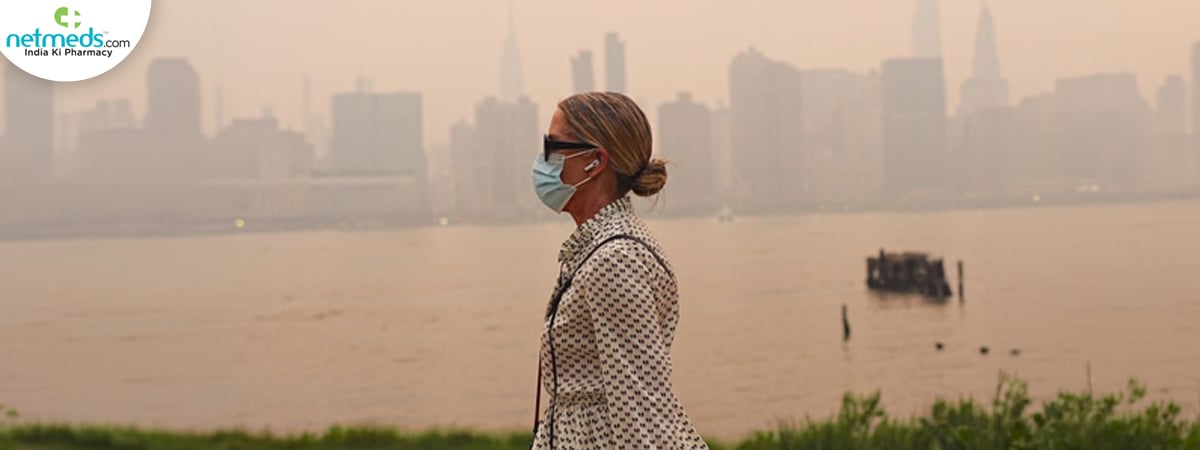
Early Warning Signs Of COPD
Keep an eye out for early warning signs. If you are coughing for weeks, find yourself huffing and puffing up stairs, waking up to a chest full of mucus, or just feeling generally wiped out by everyday tasks, talk to your doctor. A simple breathing test called spirometry reveals a lot; it measures how much air you can blow out and how fast. The sooner you know your numbers; the sooner you can protect what lung function you have.
How To Protect Your Lungs?
So, what can you do today to protect your lungs and future self?
Quit smoking, and steer clear of second-hand smoke.
Improve home ventilation and avoid burning smoky fuels inside.
Wear a mask and use proper protection around dust, fumes, or chemicals.
Track daily air quality, and limit time outside when pollution spikes.
Stay active, and ask about breathing exercises or pulmonary rehab if regular chores leave you winded.
Don’t skip vaccines or ignore infections; take charge early.
And finally, see your doctor if breathing issues start to limit your life, or you can’t shake a cough that lingers for weeks. People with higher risks should talk about getting spirometry tests and a personal lung health plan in place.
Conclusion
World COPD Day 2026 is more than a campaign or a colourful poster; it is a wake-up call. The habits that harm your lungs add up slowly, but so do the steps you take to protect them. By making small, regular changes, backed up by science and real experience, you can breathe easier and fuller, not just on November 18, but every day. Let us make lung health a part of daily life and not just a topic for a single day.
References:
WHO — Chronic obstructive pulmonary disease (COPD) fact sheet:
https://www.who.int/news-room/fact-sheets/detail/chronic-obstructive-pulmonary-disease-
GOLD — World COPD Day 2026:
https://goldcopd.org/world-copd-day-2026/
GOLD — World COPD Day 2026 press release:
https://goldcopd.org/wp-content/uploads/2026/10/GOLD-World-COPD-Day-Press-Release_2026_Final.pdf
CDC — About COPD:
https://www.cdc.gov/copd/about/index.html
CDC — Smoking and COPD:
https://www.cdc.gov/tobacco/campaign/tips/diseases/copd.html
CDC — Could you have COPD?
https://www.cdc.gov/copd/features/copd-symptoms-diagnosis-treatment.html
NIH — Chronic Obstructive Pulmonary Disease (COPD):
https://health.nih.gov/health-topics-a-z/copd
WHO — Chronic respiratory diseases programme:
 Previous