


Your skin tells a story, way beyond what you see in the mirror. It is like your body’s own messenger, reacting to what is going on inside, your hormones, your stress, and the years passing by. Puberty kicks things off, but the ride doesn’t stop there. Monthly cycles, the grind of daily stress, and getting older all leave their mark on your skin.
Ever notice how pimples pop up right before your period? Or how your skin looks washed out after a rough week? Maybe you have felt your skin getting drier as you get older. That is not your imagination. Most of the time, your hormones are pulling the strings.
Let us talk about why this happens and what you can actually do about it, no guesswork, just real talk for every phase your skin goes through.
Uplift Your Skin Health With Our Top-Notch Beauty And Skin Care Products Today!
Understanding The Hormone-Skin Link
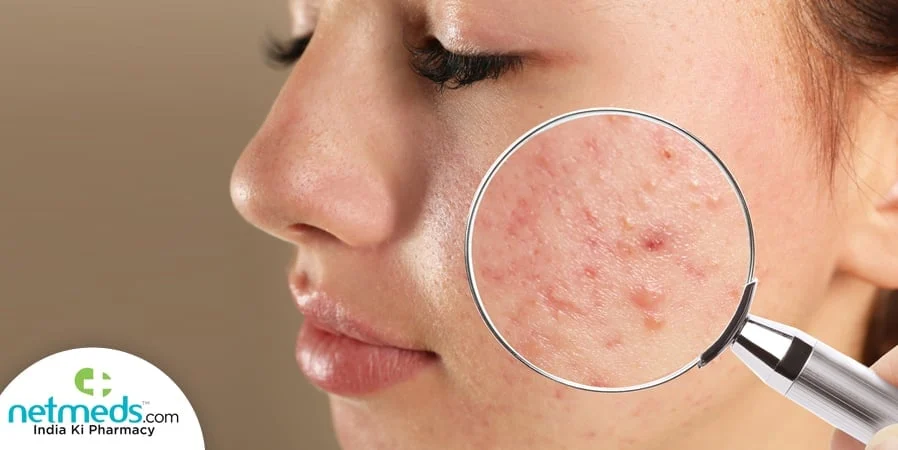
Hormones like estrogen, progesterone, cortisol, and testosterone run the show when it comes to your skin’s oiliness, bounce, hydration, and healing powers. When these levels jump around, which they do, a lot can change. Sometimes you get that healthy glow; other times, it is breakouts or dry patches. It is a rollercoaster.
Also Read: 5 Ways To Build Basic Beauty Regimen For Aging Skin
Here is how each factor plays out.
How Age Changes Your Skin?
As the years go by, your hormones, especially estrogen, slow down. Your skin feels like it. You might notice:
- More fine lines and sagging as collagen and elastin fade
- Dryness, sensitivity, or both
- Skin just doesn’t turn over as fast, so it looks dull
- Uneven spots or pigmentation
- Thinner, more delicate skin
What can you do?
Focus on rebuilding your skin barrier, look for ceramides, fatty acids, and cholesterol in your products
Use ingredients that boost collagen: retinol, peptides, vitamin C
Keep your skin hydrated with hyaluronic acid and glycerin
Don’t even think about skipping sunscreen, UV speeds up skin aging
Exfoliate gently, once or twice a week, to keep things moving
How Stress Shows Up On Your Skin?
When life gets stressful, your body pumps out cortisol. That hormone makes your skin oilier, more inflamed, and weakens your natural barrier. Not a great combo. Here is what you might see:
Breakouts and acne
Flare-ups if you have eczema or psoriasis
Dull, tired-looking skin
More redness and sensitivity
Blemishes that just won’t heal
How to help your skin chill out?
Keep your routine simple, don’t pile on products
Reach for calming ingredients like niacinamide, centella asiatica, or aloe vera
Strengthen your skin barrier with ceramides or squalane
Sleep, drink water, and don’t forget to breathe, your habits matter as much as your products
Try a little facial massage or gua sha to boost circulation and melt away tension
Seriously, your skin tells you when you are stressed. Sometimes the best thing you can do is just give it a break.
Your Skin and the Menstrual Cycle
Your skin changes along with your cycle, thanks to shifting levels of estrogen and progesterone. If you learn the rhythm, you can work with your skin, not against it.
Menstrual Phase (Days 1–5)
Hormones drop. Skin feels dry, sensitive, maybe a bit dull.
Use gentle, hydrating cleansers
Skip strong stuff like retinol or acids
Go for soothing, moisturising products
Thicker creams or overnight masks help lock in moisture
Follicular Phase (Days 6–14)
Estrogen rises. Skin usually looks its best, clear, balanced, and glow.
Try out your favorite activities now
Vitamin C helps brighten things up
Exfoliate gently
Keep up hydration and sunscreen
Ovulation (Around Day 14)
Estrogen peaks. Skin feels smooth, plump, and radiant.
Stick with your usual routine, don’t overdo it
Lighter moisturisers are enough
Use products that boost your skin’s glow
No need to experiment; if it is working, let it be
Luteal Phase (Days 15–28)
Progesterone climbs; oil production ramps up. Skin gets oily, congested, maybe some breakouts.
Use salicylic acid to keep pores clear
Light, non-comedogenic moisturisers work best
Clay masks once a week can help control oil
Treat spots individually, not your whole face
Long-Term Hormonal Shifts
Big life changes, thinking pregnancy, postpartum, menopause, come with serious hormone swings. Your skin will react. You might see:
Sudden dryness or weird sensitivity
Adult acne (yes, it happens)
Skin losing firmness or elasticity
How to handle it?
Use gentle, dermatologist-approved products
Always use SPF to stop pigmentation from getting worse
Skip harsh treatments during sensitive times
Tweak your routine slowly as your hormones settle
Conclusion
Your skin isn’t acting up; it is talking to you. Age, stress, and your hormonal ups and downs all shape how your skin looks and feels. Instead of sticking to one routine forever, pay attention and adjust as things change. When you get how hormones work, you can stop random breakouts, soothe irritation, and keep your skin healthy for the long run. Smart, flexible skincare is the way to go.
References:
- https://www.google.com/url?sa=t&source=web&rct=j&opi=89978449&url=https://pmc.ncbi.nlm.nih.gov/articles/PMC11703644/&ved=2ahUKEwjmwub8nfeRAxV-2TQHHdByCwoQFnoECB8QAQ&usg=AOvVaw3xcu1Y5sHTCT8GitaNRDoz
- https://www.google.com/url?sa=t&source=web&rct=j&opi=89978449&url=https://pubmed.ncbi.nlm.nih.gov/25683236/&ved=2ahUKEwjmwub8nfeRAxV-2TQHHdByCwoQFnoECEcQAQ&usg=AOvVaw18HziNphbGPIm7JQ0zo0t5
- https://www.google.com/url?sa=t&source=web&rct=j&opi=89978449&url=https://www.sciencedirect.com/science/article/pii/S2405844023068354&ved=2ahUKEwjmwub8nfeRAxV-2TQHHdByCwoQFnoECGMQAQ&usg=AOvVaw1QExX1JK-0jFjPnCoQc73-
 Previous