


Mood, metabolism, sleep, and reproductive health are all essential pillars of your body's overall well-being. Your hormones are chemical messengers that play a key role in regulating each of them. These work continuously to keep your body functioning smoothly, and when your hormones are balanced, you feel energized, focused, and at your best. However, modern lifestyles, poor eating habits, and chronic stress have significantly disrupted this balance for many people.
Also Read: Why Am I Always Hungry? Here Are 7 Possible Reasons And Ways To Manage Increased Appetite
Making mindful dietary choices is one way that can strongly support your body in maintaining stable and healthy hormone levels over time. A well-balanced diet not only nourishes your body but also helps regulate the production and function of hormones. Understanding the connection between nutrition and hormone health is the first step toward achieving natural hormone balance and long-term wellness.
Also Read: Hormone Imbalance And Weight Gain: Causes, Symptoms, And Remedies
Why Do Hormones Get Imbalanced?
Several everyday factors can disrupt hormone levels. Understanding triggers can help you make smarter lifestyle choices and keep your hormones in balance. A simple shift toward a balanced life and whole-food diet can naturally support your endocrine system and boost overall well-being.
Here are some factors that determine your hormonal imbalance:
· Chronic stress raises cortisol levels, affecting overall hormone balance
· Poor sleep disrupts hormone production and recovery cycles
· Processed foods and high sugar intake spike insulin levels
· Nutrient deficiencies, such as magnesium, zinc, and healthy fats, impact hormone health
· A sedentary lifestyle slows metabolism and hormone signalling
· Exposure to toxins like plastics and pesticides interferes with hormones
· Poor gut health affects hormone regulation and detoxification
(Shop From Our Broad Spectrum Of Health Supplements To Manage Hormonal Imbalance)
Does Food Provide Any Benefit?
Yes, food plays a fundamental role in maintaining and restoring hormone balance. The nutrients you consume directly influence how hormones are produced, regulated, and eliminated in the body. Healthy fats such as omega-3s support the creation of key hormones, while proteins provide amino acids essential for hormone synthesis. Fiber-rich foods help regulate blood sugar levels and prevent insulin spikes, which is critical for hormonal stability. Additionally, vitamins and minerals like magnesium, zinc, and vitamin D contribute to optimal endocrine function. Whole foods such as fruits, vegetables, nuts, seeds, and lean proteins also reduce inflammation and support gut health, both of which are closely linked to hormone regulation. On the other hand, diets high in processed foods, sugar, and unhealthy fats can disrupt hormonal balance.
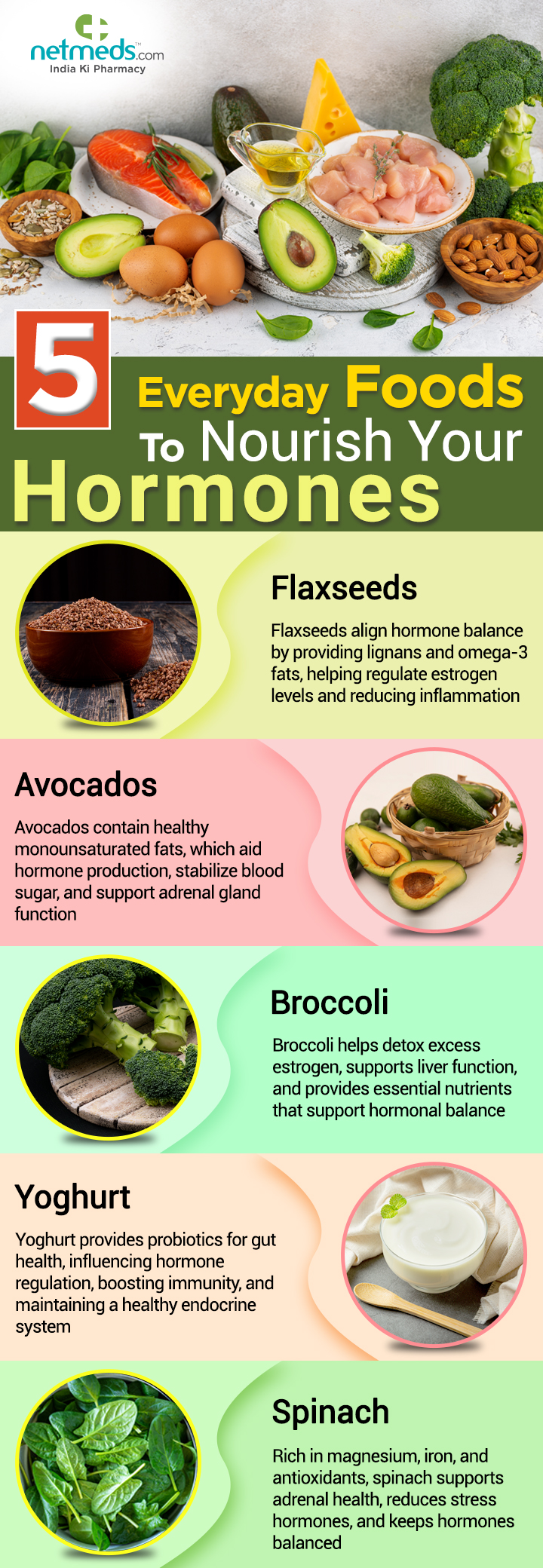
Refer to the infographic to see how it can help support healthy hormone regulation:
References:
Women's health, hormonal balance, and personal autonomy
Ignacio Segarra
https://pmc.ncbi.nlm.nih.gov/articles/PMC10347535/
https://pmc.ncbi.nlm.nih.gov/articles/PMC10692403/
 Previous


