Canna Lily, a strikingly beautiful and versatile plant, is widely recognized for its vibrant blooms and broad, lush foliage. Beyond its ornamental appeal, Canna Lily boasts a wealth of medicinal properties, making it a valuable herb in traditional medicine systems across the world. Often cultivated in tropical and subtropical regions, this resilient plant is known for its ability to thrive in a variety of conditions, adding a touch of elegance to gardens and landscapes.
In this comprehensive guide, we will explore the origins, botanical description, medicinal qualities, Ayurvedic properties, and detailed health benefits of Canna Lily. We will also delve into its recommended dosage, potential side effects, necessary precautions, and concluding thoughts on how to incorporate this incredible plant into daily wellness routines.
(Be in the pink of health with our wide range of Ayurvedic supplements!)
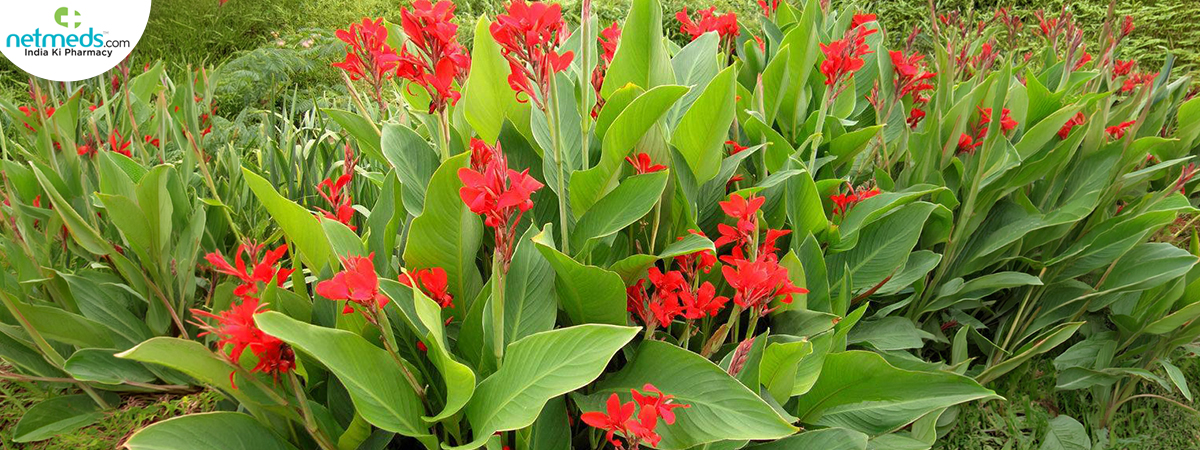
What is Canna Lily?
Canna Lily (Canna indica) is a perennial flowering plant belonging to the Cannaceae family. Native to the tropical and subtropical regions of the Americas, this plant is often mistaken for true lilies due to its striking flowers. It is commonly cultivated for both ornamental and medicinal purposes, with its roots, leaves, and flowers offering a range of therapeutic applications.
Canna Lily is traditionally used in folk medicine to treat various ailments, from digestive disorders to inflammatory conditions. The plant is also valued for its role in soil erosion control and as a food source in certain cultures.
How To Identify Canna Lily Plant?
Canna Lily is easily recognizable by its robust and eye-catching features. Below is a detailed description of its botanical characteristics:
Leaves: Large, banana-like, and broad with a glossy texture, often displaying shades of green, red, or purple.
Flowers: Showy, brightly coloured blooms in hues of red, orange, yellow, or pink, with an exotic, tropical appearance.
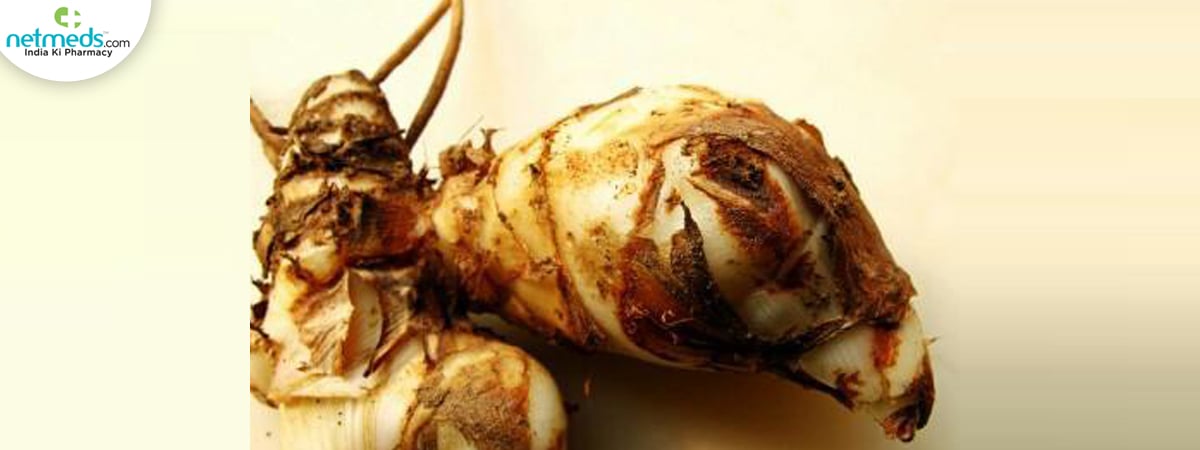
Roots/Rhizomes: Thick, tuberous, and rich in starch, resembling ginger or turmeric.
Height: Typically grows between 3 to 6 feet, depending on the variety.
Habitat: Prefers warm climates with well-drained, fertile soil and ample sunlight.
Canna Lily Synonyms
Canna Lily is known by various names across different regions and languages:
Latin: Canna indica
English: Canna Lily, Indian Shot, Arrowroot, Purple Arrowroot
Sanskrit: Vankata, Vankata Lata, Kunda Pushpa
Hindi: Sarvajjaya, Kalabati
Bengali: Baimurali, Khoira Murali
Marathi: Kardal
Gujarati: Kalabati
Punjabi: Kalabati
Telugu: Kanasu Gadda
Tamil: Kattu Tutuvalai, Kalvazhai
Kannada: Baje, Kesavardhini
Malayalam: Channatumpa
Oriya: Katha Bhalia
Urdu: Sarvajjaya
Nepali: Bhir Ghass
Spanish: Achira
French: Balisier d’Inde
Portuguese: Cana-da-Índia
Phytochemical Profile of Canna Lily
Canna Lily (Canna indica) is valued for its therapeutic and nutritional benefits, attributed to its diverse phytochemical composition:
Flavonoids: Exhibits strong antioxidant properties that help neutralize free radicals, reduce inflammation, and support cardiovascular health.
Alkaloids: Known for their antimicrobial and pain-relieving effects, these bioactive compounds contribute to infection resistance and overall wellness.
Tannins: Possess astringent and anti-inflammatory properties, aiding in wound healing, digestive health, and microbial protection.
Saponins: Helps boost immune function, support metabolic health, and promote cardiovascular wellness.
Glycosides: Bioactive compounds that offer adaptogenic properties, helping regulate physiological functions and enhance overall well-being.
Phenolic Compounds: Potent antioxidants that protect against cellular damage, oxidative stress, and premature aging.
Starch and Mucilage: Present in the rhizomes, these compounds provide nourishment, aid digestion, and have soothing effects on the gastrointestinal tract.
Terpenoids: Known for their anti-inflammatory, antifungal, and antimicrobial properties, beneficial in wound healing and skin care.
The rich phytochemical profile of Canna Lily makes it a valuable natural remedy for digestive health, inflammation, and immune support. Research also highlights its potential applications in managing metabolic disorders and skin-related concerns.
Medicinal Qualities of Canna Lily
Canna Lily has been recognized for its medicinal properties in various traditional healing systems. Some of the primary Canna indica medicinal uses include:
Anti-inflammatory: Helps reduce swelling, pain, and irritation associated with arthritis and skin conditions.
Antioxidant: Rich in bioactive compounds that protect cells from oxidative damage.
Diuretic: Aids in detoxification by promoting the elimination of excess fluids from the body.
Wound healing: Leaves and flowers are used to promote faster healing of wounds, cuts, and burns.
Digestive aid: Rhizomes help in improving digestion and relieving constipation.
Antimicrobial: Contains compounds that fight bacteria and fungi, making it effective in treating infections.
Fertility enhancer: Used traditionally to improve reproductive health and fertility.
Canna Lily Ayurvedic Properties
In Ayurveda, Canna Lily is valued for its ability to balance the body's doshas (Vata, Pitta, and Kapha). It is classified based on the following properties:
Rasa (Taste): Slightly sweet and astringent
Virya (Potency): Cooling
Vipaka (Post-digestive effect): Sweet
Dosha effects: Helps pacify Pitta and Kapha doshas while providing nourishment to Vata.
Karma Actions Of Canna Lily
Deepaniya: Stimulates digestive fire, aiding in better digestion and metabolism.
Rasayana : Acts as a rejuvenating herb that enhances vitality, energy, and longevity.
Shothahara: Helps reduce inflammation and swelling, making it beneficial for inflammatory conditions.
Mutrala: Acts as a diuretic, promoting healthy urinary function and flushing out toxins.
Balya: Strengthens the body and boosts overall stamina and endurance.
Varnya: Improves skin complexion and supports skin health by promoting hydration and nourishment.
Vishaghna: Detoxifies the body and helps neutralize toxins, making it useful in cases of poisoning.
Jwarahara: Aids in reducing fever and symptoms associated with febrile conditions.
Vata-Kapha Shamak: Helps balance Vata and Kapha doshas, supporting respiratory and digestive health.
Vrishya: Acts as an aphrodisiac, enhancing reproductive health and vigor.
Canna Lily’s therapeutic actions make it a versatile herb for digestive health, detoxification, inflammation reduction, and overall vitality.
10 Amazing Health Benefits of Canna Lily
Supports Digestion
Canna Lily has deepaniya (digestive stimulant) properties that help enhance digestion by stimulating gastric secretions. It can alleviate indigestion, bloating, and loss of appetite while promoting a healthy gut environment.
Acts as a Natural Diuretic
The mutrala (diuretic) properties of Canna Lily help in flushing out toxins through urine, preventing urinary tract infections (UTIs), reducing water retention, and supporting kidney function. It is beneficial for individuals suffering from mild edema and urinary disorders.
Reduces Inflammation and Swelling
With its shothahara (anti-inflammatory) properties, Canna Lily helps alleviate swelling and pain associated with arthritis, gout, and other inflammatory conditions. It is also useful in reducing puffiness caused by fluid retention.
Enhances Skin Health and Glow
The varnya (skin-enhancing) properties of Canna Lily promote a healthy and radiant complexion. It helps in reducing dryness, soothing irritated skin, and combating minor skin infections. The plant's bioactive compounds may also help in wound healing and scar reduction.
Also Read: The Elixir Of Youth: Proven Ayurvedic Herbs For Astounding Anti-Ageing Benefits
Boosts Immunity and Detoxification
Canna Lily possesses vishaghna (detoxifying) properties that aid in eliminating toxins from the body. Its antioxidant-rich nature helps strengthen the immune system, preventing infections and diseases.
Aids in Fever Management
As a natural jwarahara (fever-reducing) herb, Canna Lily can help lower body temperature during fevers and provide relief from associated symptoms like body aches and fatigue. It supports faster recovery from viral and bacterial infections.
Balances Vata and Kapha Doshas
Canna Lily helps in pacifying imbalances in Vata and Kapha doshas, making it useful for conditions related to respiratory congestion, joint disorders, and sluggish digestion. It aids in restoring harmony in the body's natural functions.
Improves Reproductive Health
The vrishya (aphrodisiac) nature of Canna Lily makes it beneficial for enhancing reproductive health in both men and women. It may support fertility, improve stamina, and promote overall vitality.
Also Read: Women’s Health: 7 Incredible Herbs For Managing PCOS Naturally
Promotes Wound Healing and Tissue Repair
Canna Lily’s wound-healing properties make it effective in treating minor cuts, burns, and ulcers. It helps in tissue regeneration and protects the skin from infections, accelerating the healing process.
Supports Respiratory Health
With its Kapha-balancing properties, Canna Lily helps in clearing excess mucus from the respiratory tract. It is useful for managing mild respiratory infections, cough, and congestion by supporting lung function and clearing airways.
Also Read: Respiratory Health: 5 Incredible Herbs To Boost Your Lung Power

How to Use Canna Lily for Maximum Benefits?
Herbal Infusion for Detoxification
Canna Lily leaves or flowers can be brewed into a herbal tea that helps in flushing out toxins from the body, improving digestion, and supporting kidney function.
Poultice for Wound Healing
A paste made from crushed Canna Lily leaves can be applied to minor cuts, burns, or wounds to promote healing, reduce inflammation, and prevent infections.
Natural Diuretic Remedy
The root decoction of Canna Lily is traditionally used to support urinary health by acting as a diuretic, helping to alleviate water retention and urinary tract infections (UTIs).
Relief from Fever and Body Aches
Canna Lily root or leaf extracts can be consumed in herbal formulations to help lower fever and provide relief from body aches caused by viral or bacterial infections.
Skin Care Application
A paste or extract from Canna Lily flowers can be used as a natural remedy for skin irritation, acne, and dryness. It helps in soothing the skin and enhancing its natural glow.
Digestive Tonic
Canna Lily root is known to enhance digestive fire (Agni), helping in relieving bloating, indigestion, and poor appetite. It is often consumed in mild decoctions for better gut health.
Respiratory Support
The flowers and leaves of Canna Lily can be used in herbal steam therapy or inhalation to clear nasal congestion, reduce phlegm, and relieve mild respiratory discomfort.
Aphrodisiac and Reproductive Health Booster
Certain traditional formulations use Canna Lily as a vrishya (aphrodisiac) herb to enhance reproductive health, improve stamina, and support hormonal balance.
Anti-Inflammatory Remedy
Canna Lily’s anti-inflammatory properties make it useful for preparing herbal pastes or compresses for swollen joints, muscle pain, and arthritis-related discomfort.
Culinary Use in Some Cultures
In some regions, young Canna Lily shoots or rhizomes are cooked and consumed as a vegetable, providing a nutrient-rich addition to meals. The rhizomes are also processed into flour for baking and porridge-making.
Dosage Of Canna Lily
The recommended dosage of Canna Lily depends on the form in which it is consumed:
Rhizome Powder: 1-2 teaspoons mixed with warm water or herbal tea.
Decoction: Boil dried rhizomes in water and drink once or twice daily.
Extracts and Tinctures: Follow dosage guidelines provided by herbal practitioners.
Topical Application: Crushed leaves or extracts can be applied to wounds and skin conditions.
Potential Side Effects and Safety Precautions Of Canna Lily
While Canna Lily offers several medicinal benefits, excessive or improper use may lead to adverse effects. Some potential side effects include:
Mild Gastrointestinal Issues: Consuming Canna Lily in large quantities may cause bloating, nausea, or mild diarrhoea in some individuals.
Allergic Reactions: Some people may experience skin irritation, redness, or itching when in direct contact with the plant’s sap.
Potential Toxicity: Certain parts of the plant, if not prepared correctly, may contain compounds that can be mildly toxic if ingested in large amounts.
Blood Sugar Fluctuations: Due to its potential effect on metabolism, individuals with diabetes should monitor their blood sugar levels when using Canna Lily.
Hypotensive Effects: Canna Lily may lower blood pressure slightly, which could be problematic for those already on medication for hypotension.
Canna Lily Precautions
Pregnancy and Breastfeeding: The safety of Canna Lily during pregnancy and breastfeeding is not well studied. It is best to avoid its use during these periods.
Pre-existing Health Conditions: Individuals with liver or kidney disorders should consult a healthcare provider before using Canna Lily.
Skin Sensitivity: Always perform a patch test before applying Canna Lily extracts to the skin to rule out allergic reactions.
Proper Preparation: Ensure the plant parts are properly cleaned and processed before consumption to avoid toxicity.
Supervised Use: It is recommended to use Canna Lily under the guidance of an Ayurvedic practitioner to determine the correct dosage and avoid side effects.
Conclusion
Canna Lily is not just an ornamental beauty but a powerhouse of medicinal benefits. From enhancing digestion and immunity to promoting skin health and mental well-being, this versatile plant has immense therapeutic potential. By incorporating Canna Lily into daily wellness routines, individuals can harness its natural healing properties safely and effectively.
So, whether used as a herbal remedy, skincare ingredient, or dietary supplement, Canna Lily serves as a testament to the power of nature in maintaining optimal health. As always, consulting an experienced herbal practitioner before use ensures safety and maximized benefits.
Frequently Asked Questions
Is Canna Lily safe for daily use?
Yes, in moderate amounts. Excessive use may cause mild gastrointestinal issues.
Can Canna Lily help with digestion?
Yes, it aids digestion by stimulating gastric secretions and relieving bloating.
What are the medicinal properties of Canna Lily?
Canna Lily (Canna indica) is valued for its anti-inflammatory, antioxidant, diuretic, and digestive-supporting properties, making it beneficial for gut health, skin care, and detoxification.
References:
- https://pmc.ncbi.nlm.nih.gov/articles/PMC6174820/#:~:text=Abstract-,Canna%20indica%20L.,addicted%20with%20caffeine%20and%20nicotine.
- https://www.researchgate.net/publication/282680312_Canna_Indica_L_A_plant_with_potential_healing_powers_A_review
- https://www.wisdomlib.org/uploads/journals/wjpr/volume-10,-april-issue-4_16599.pdf
 Previous