If digestive discomfort, irregular bowel movements, bloating or loose stools are making everyday life uncomfortable, you may have come across Bilvaphaladi Churna, a traditional Ayurvedic herbal formulation. Made with ingredients traditionally associated with digestive and gut support, this powdered preparation is commonly used in Ayurveda for various gastrointestinal concerns.
One of its key ingredients is Bilva (Aegle marmelos), also known as bael, a fruit that has been studied for its nutritional and phytochemical properties. Research has identified compounds such as flavonoids, phenolics, alkaloids, coumarins and other bioactive constituents in Aegle marmelos. However, much of the modern evidence comes from laboratory and animal studies rather than large human clinical trials.
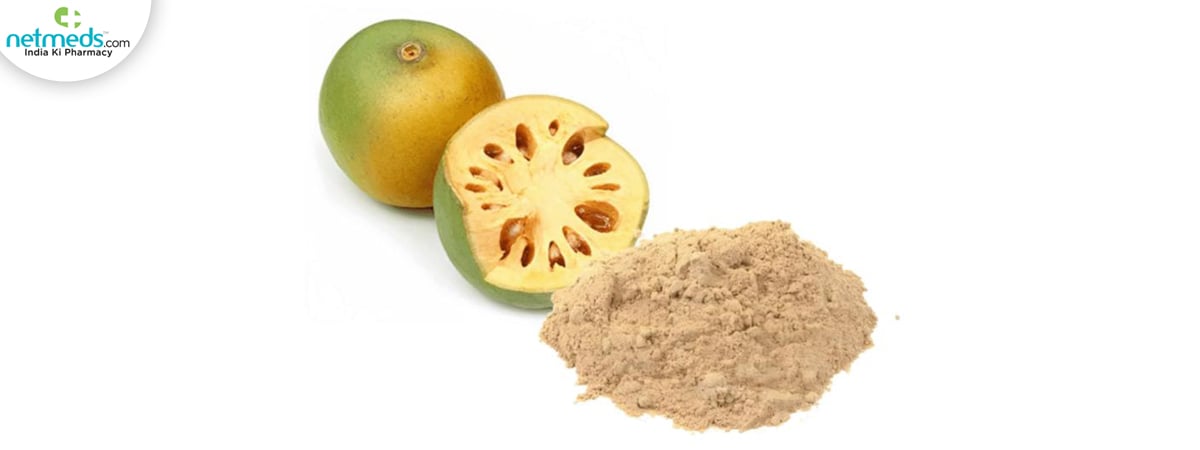
What Is Bilvaphaladi Churna?
Bilvaphaladi Churna is an Ayurvedic powdered herbal formulation traditionally used to support digestive health. The exact composition can vary between manufacturers and formulations.
A commonly marketed Bilvaphaladi Churna contains Bilva (Aegle marmelos), Musta (Cyperus scariosus), Sugandhabala (Valeriana wallichii), Moch Ras and Indraja (Holarrhena antidysenterica).
The formulation is traditionally associated with conditions involving the gastrointestinal tract, including loose stools, diarrhoea, dysentery and digestive discomfort. Some product information also describes its use for symptoms associated with irritable bowel syndrome (IBS).
It is important to remember that Bilvaphaladi Churna is not a substitute for medical treatment, particularly when diarrhoea, abdominal pain or other digestive symptoms are severe or persistent.
Bilvaphaladi Churna Product Description
Bilvaphaladi Churna is a fine herbal powder prepared from a combination of traditionally used Ayurvedic ingredients. Depending on the brand, it may be packaged in airtight containers or pouches to protect the powder from moisture and contamination.
A commonly marketed formulation contains:
Bilva: Aegle marmelos
Sugandhabala: Valeriana wallichii
Moch Ras
Indraja: Holarrhena antidysenterica
The ingredients are traditionally selected for their digestive, astringent, absorbent, carminative and gut-supportive properties.
Note: Ingredient combinations and proportions may differ between manufacturers. Always check the product label before using a particular Bilvaphaladi Churna.
Ingredients in Bilvaphaladi Churna
Bilva
Bilva, commonly known as bael or Bengal quince, is botanically identified as Aegle marmelos. It is one of the best-known ingredients associated with traditional digestive preparations.
Research suggests that bael fruit contains fibre, minerals, vitamins and phytochemicals such as phenolics, flavonoids, alkaloids and coumarins. Experimental studies have investigated its antioxidant, antidiarrhoeal, gastroprotective and other biological activities.
Mustaka
Mustaka, generally identified in this formulation as Cyperus scariosus, is an aromatic herb traditionally used in Ayurvedic digestive preparations. It is traditionally regarded as having digestive and carminative properties.
Sugandhabala
Sugandhabala is listed as Valeriana wallichii in the formulation's ingredient information. It is an aromatic medicinal plant traditionally used in Ayurveda and other traditional systems.
Moch Ras
Moch Ras, also known as Mochrasa in Ayurvedic terminology, is traditionally valued for its astringent and absorbent properties and is included in formulations intended for digestive complaints.
Indraja
Indraja, identified as Holarrhena antidysenterica, is a traditional Ayurvedic herb particularly associated with digestive and intestinal health. Experimental research has investigated Holarrhena antidysenterica for potential antidiarrhoeal activity.
However, findings from studies of individual herbs should not be interpreted as proof that the complete Bilvaphaladi Churna formulation can treat these conditions.
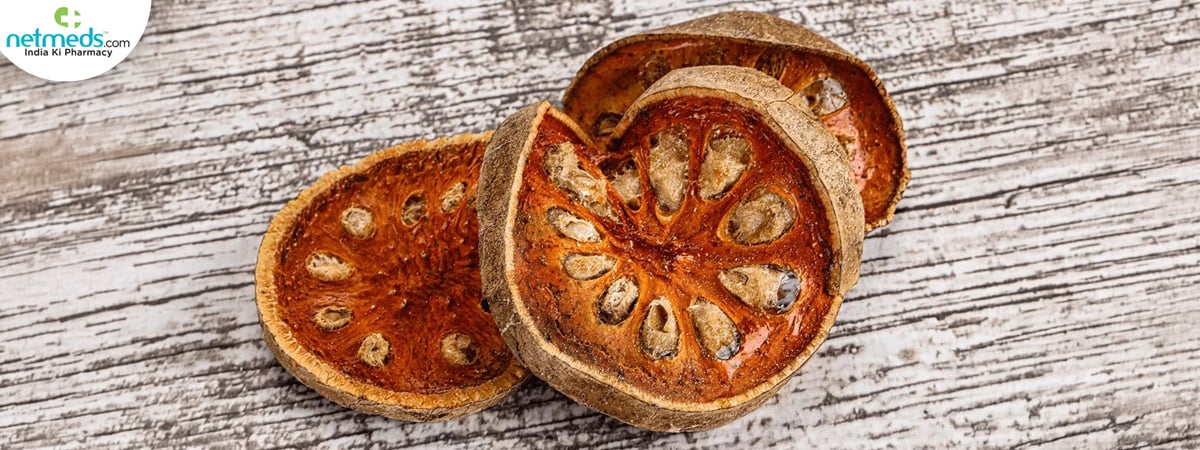
Method of Preparation of Bilvaphaladi Churna
Traditional churna preparations are generally made by cleaning, drying, grinding and sieving individual herbal ingredients before blending them in specified proportions.
This churna preparation (herbal powder) involves:
Select good-quality, correctly identified herbs included in the Bilvaphaladi Churna formulation.
Remove soil, damaged portions and other visible impurities from the raw herbal ingredients.
Clean the herbs appropriately and allow them to dry thoroughly.
Once completely dry, cut or break the ingredients into smaller pieces.
Grind the dried herbal ingredients separately into a fine powder.
Pass the individual powders through a suitable sieve to obtain a uniform consistency.
Combine the powdered ingredients in the proportions specified in the traditional formulation or by the manufacturer.
Mix the ingredients thoroughly to ensure an even distribution of all herbs.
Store the finished Bilvaphaladi Churna in a clean, dry, airtight and moisture-resistant container.
When choosing a commercially prepared product, look for:
Clearly stated botanical names of the ingredients
Complete ingredient list
Recommended dosage or serving size
Batch or lot number
Manufacturing and expiry dates
Appropriate quality testing
Manufacturer information
Storage instructions
Some commercially available Bilvaphaladi Churna products may contain different herbs or varying proportions depending on the manufacturer. Therefore, always check the product label rather than assuming that every Bilvaphaladi Churna has the same composition.
Note: Preparing Ayurvedic herbal formulations at home isn't always advisable because incorrect plant identification, contamination, improper drying or inaccurate proportions can affect the quality and safety of the final product. A commercially prepared product from a reputable manufacturer or guidance from a qualified Ayurvedic practitioner is generally preferable.
Medicinal Qualities of Bilvaphaladi Churna
From an Ayurvedic perspective, Bilvaphaladi Churna is primarily associated with digestive and intestinal wellness.
Its ingredients are traditionally described as having combinations of:
Grahi: traditionally associated with supporting absorption and helping manage excessive intestinal fluid loss
Deepana: traditionally believed to support digestive fire (Agni)
Pachana: traditionally associated with digestion
Astringent properties: particularly relevant to preparations traditionally used for loose stools
Carminative action: traditionally used to help with gas and abdominal discomfort
Modern research into Aegle marmelos has identified several potentially bioactive compounds and investigated antioxidant, antidiarrhoeal, antimicrobial, gastroprotective and other activities.
However, these findings should not be interpreted as proof that Bilvaphaladi Churna can cure a gastrointestinal disease.
Ayurvedic Properties of Bilvaphaladi Churna
In Ayurveda, Bilva is traditionally considered particularly useful for supporting digestive function and balancing disturbances involving the gastrointestinal tract.
Bilva is generally described in Ayurvedic literature as having:
Rasa: Kashaya (astringent), Tikta (bitter), Madhura (sweet)
Guna: Laghu (light), Ruksha (dry)
Virya: Ushna (heating)
Vipaka: Katu (pungent)
Traditional dosha action: Often associated with balancing Vata and Kapha, depending on the part of the plant and preparation.
However, Ayurvedic properties can differ depending on whether the fruit, root, bark, leaves or other part of Bilva is used. The properties of the complete Bilvaphaladi formulation should therefore not be inferred solely from Bilva.

10 Potential Health Benefits of Bilvaphaladi Churna
Aids Digestion
Modern scientific perspective: Research on Aegle marmelos (Bilva or bael) has identified several phytochemicals and investigated its potential gastrointestinal, antimicrobial and gastroprotective activities, although clinical evidence for the complete Bilvaphaladi Churna formulation remains limited.
Ayurvedic perspective: In Ayurveda, Bilva and other herbs used in Bilvaphaladi Churna are traditionally valued for supporting Agni, or digestive fire, and maintaining healthy digestion through their traditional Deepana and Pachana properties.
Cures Loose Stools
Modern scientific perspective: Experimental studies on unripe bael preparations have investigated potential antidiarrhoeal mechanisms, including effects on intestinal secretions, pathogens and bacterial toxins, although these findings cannot be considered proof that Bilvaphaladi Churna treats diarrhoea in humans.
Ayurvedic perspective: Bilva is traditionally regarded as a Grahi herb with astringent and absorbent qualities and has long been used in Ayurveda for Atisara, a condition broadly associated with diarrhoeal symptoms.
Provides Gut Comfort
Modern scientific perspective: Research into individual ingredients such as Aegle marmelos and Cyperus rotundus (Musta) has explored their gastrointestinal, antimicrobial and anti-inflammatory properties, suggesting potential digestive-supporting effects, although direct clinical evidence for Bilvaphaladi Churna is insufficient.
Ayurvedic perspective: Bilva and Musta are traditionally used to support comfortable digestion and balanced gastrointestinal function, particularly when digestive discomfort is associated with irregular digestion.
Also Read: 7 Foods To Improve Gut Digestion
Maintains Healthy Bowel Function
Modern scientific perspective: Preliminary research on Bilva and other ingredients has examined their possible effects on intestinal motility, secretions and gastrointestinal function, but there is not enough human evidence to establish Bilvaphaladi Churna as a treatment for chronic bowel disorders.
Ayurvedic perspective: The formulation is traditionally associated with maintaining intestinal balance, with Bilva's Grahi and astringent qualities considered useful for supporting healthy bowel function and normal elimination.
Also Read: Irritable Bowel Syndrome: 5 Incredible Ayurvedic Herbs To Relieve IBS
Bestows Antioxidants
Modern scientific perspective: Studies on Aegle marmelos have identified phenolic compounds, flavonoids and other phytochemicals with antioxidant activity in laboratory investigations, which may help explain some of its traditional interest, although laboratory antioxidant activity does not automatically establish a clinical benefit in humans.
Ayurvedic perspective: Ayurveda does not describe antioxidant activity in the same biochemical terminology used in modern science, but Bilva and other herbs are traditionally valued for supporting overall balance, vitality and healthy physiological function.
Subdues Inflammation
Modern scientific perspective: Experimental research on Aegle marmelos has investigated potential anti-inflammatory and gastroprotective properties, with certain phytochemicals demonstrating biological activity in laboratory and animal studies, although human clinical evidence remains limited.
Ayurvedic perspective: Bilva has traditionally been used to support gastrointestinal health and balance, particularly in conditions involving digestive disturbances, reflecting its traditional role in maintaining healthy intestinal function.
Treats Gas and Bloating
Modern scientific perspective: Research into individual digestive herbs used in traditional formulations has explored their gastrointestinal and carminative properties, although there is currently insufficient clinical evidence to confirm that Bilvaphaladi Churna specifically relieves gas or bloating.
Ayurvedic perspective: Musta and other herbs in digestive preparations are traditionally considered supportive of digestion and Vata balance, and may therefore be used traditionally when occasional abdominal discomfort, gas or bloating occurs.
Also Read: 5 Herbs for a Healthy Digestive System
Improves Appetite
Modern scientific perspective: Research on Bilva and Musta has examined their potential effects on digestive function and gastrointestinal activity, but there is insufficient clinical evidence to claim that Bilvaphaladi Churna can treat persistent appetite loss or appetite disorders.
Ayurvedic perspective: Ayurveda places considerable importance on Agni, or digestive capacity, and traditionally describes Bilva and Musta as Deepana and Pachana herbs that may support healthy digestion and normal appetite.
Promotes Overall Gut Wellness
Modern scientific perspective: Several ingredients associated with Bilvaphaladi Churna have been investigated for antioxidant, antimicrobial, gastrointestinal and other biological activities, although evidence for the complete formulation and its effects on human gut health remains limited.
Ayurvedic perspective: The formulation is traditionally centred around digestive and intestinal wellness, with its combination of herbs intended to support balanced Agni, comfortable digestion and healthy elimination.
Offers Traditional Herbal Support
Modern scientific perspective: Modern pharmacological research has investigated Aegle marmelos and other individual ingredients for their potential gastrointestinal, antioxidant, antimicrobial and anti-inflammatory activities, providing scientific interest in some of their traditional applications, although robust clinical evidence for the complete formulation is lacking.
Ayurvedic perspective: Bilvaphaladi Churna is traditionally used as an Ayurvedic digestive formulation, particularly in relation to loose stools, indigestion and intestinal discomfort, but traditional use should not replace medical evaluation when symptoms are persistent, severe or recurrent.
Bilvaphaladi Churna Dosage
The appropriate dosage depends on the specific formulation, ingredients, age, health status and reason for use.
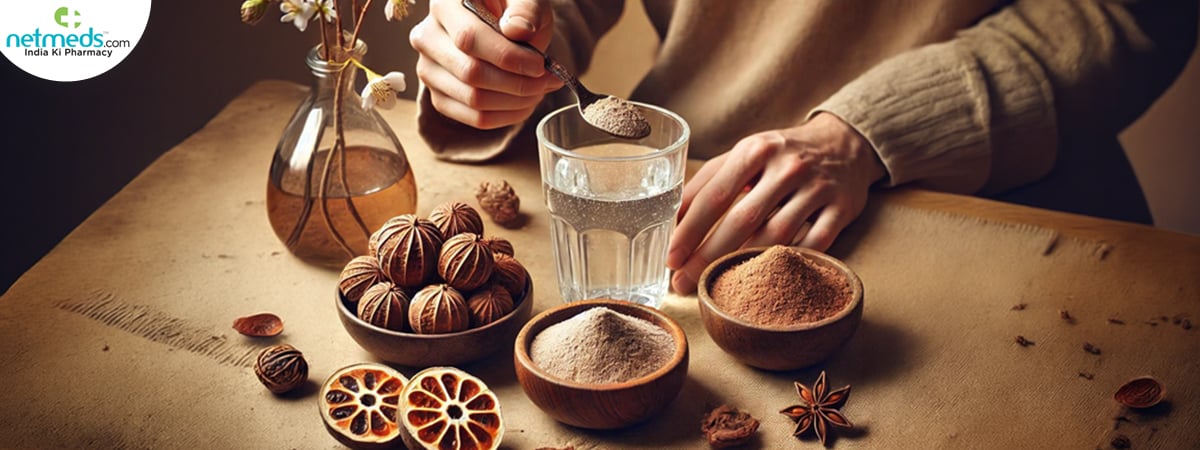
For one commercially available Bilvaphaladi Churna, online product information lists 5–10 g with water twice daily or as directed by a physician, while another product listing recommends 3–5 g with lukewarm water. These differences demonstrate why it is important to follow the dosage printed on the specific product label or prescribed by an Ayurvedic practitioner.
Do not increase the dose simply because a higher quantity appears on another product listing.
For children, older adults, pregnant or breastfeeding women, or people taking medicines for chronic conditions, professional advice is particularly important.
Bilvaphaladi Churna Side Effects
Bilvaphaladi Churna may not suit everyone. Although individual ingredients such as Aegle marmelos have been investigated for safety in experimental studies, evidence for the long-term safety of the complete formulation in humans is limited.
Possible problems with inappropriate use may include:
Constipation or changes in bowel habits
Abdominal discomfort
Nausea or digestive irritation
Heartburn or a burning sensation in some individuals
Allergic reactions to one or more herbal ingredients
If you develop persistent abdominal pain, vomiting, severe constipation, worsening diarrhoea, rash, swelling or breathing difficulty, stop using the product and seek medical attention.
Precautions While Taking Bilvaphaladi Churna
Keep these precautions in mind before using Bilvaphaladi Churna:
Consult a Healthcare Professional First
Do not self-treat persistent diarrhoea, dysentery, unexplained weight loss or chronic abdominal pain with an herbal product.
Pregnancy and Breastfeeding
There is insufficient evidence to establish the safety of the complete formulation during pregnancy or breastfeeding. Consult your doctor before use.
Children
Dosage for children should be determined by a qualified healthcare professional rather than extrapolated from an adult dose.
Existing Medical Conditions
People with chronic gastrointestinal disease, diabetes, liver or kidney problems should seek professional advice before taking herbal formulations.
Medicines
Herbal products can potentially interact with medicines. Tell your doctor or pharmacist about all supplements and Ayurvedic products you are taking.
Stay Hydrated During Diarrhoea
If diarrhoea is present, adequate fluid and electrolyte replacement is essential. An Ayurvedic preparation should not replace oral rehydration therapy or medical treatment when needed.
Buy From Reliable Sources
Choose products from reputable manufacturers and check the ingredient list, batch details, expiry date, storage instructions and recommended dosage.
Conclusion
Bilvaphaladi Churna is a traditional Ayurvedic herbal formulation primarily associated with digestive and intestinal wellness. Depending on the manufacturer, it may contain Bilva, Musta, Sugandhabala, Moch Ras and Indraja, among other possible ingredients.
Its best-known traditional applications include supporting digestion and managing digestive complaints such as loose stools and abdominal discomfort. Scientific research on Aegle marmelos, one of its principal ingredients in commonly marketed formulations, has identified potentially beneficial phytochemicals and investigated antioxidant, antidiarrhoeal, gastroprotective and other properties. Nevertheless, researchers note that more clinical trials are needed to establish safety and effectiveness in humans.
So, while Bilvaphaladi Churna may have a place in traditional digestive care, it is best viewed as supportive Ayurvedic care rather than a proven cure for gastrointestinal disease. Always choose a reputable product and use it according to the label or advice of a qualified healthcare professional.
References:
PubMed – Aegle marmelos (L.) Correa: An Underutilized Fruit with High Nutraceutical Values: A Review — Reviews the nutritional profile, phytochemicals and pharmacological research surrounding bael fruit.
https://pubmed.ncbi.nlm.nih.gov/36142805/
PubMed – Phytochemical and Biological Review of Aegle marmelos Linn — Reviews the phytochemicals and reported biological activities of Aegle marmelos.
https://pubmed.ncbi.nlm.nih.gov/37026028/
PubMed – Bioactive Compounds of Aegle marmelos L., Medicinal Values and Its Food Applications — Reviews bioactive compounds, nutritional properties and experimental evidence surrounding bael.
https://pubmed.ncbi.nlm.nih.gov/33159390/
PMC – Therapeutic Potential of Aegle marmelos (L.): An Overview — Provides an overview of phytochemistry, pharmacological properties and available toxicological research.
https://pmc.ncbi.nlm.nih.gov/articles/PMC4027346/
PubMed – Studies on the Antidiarrhoeal Activity of Aegle marmelos Unripe Fruit — Experimental study investigating mechanisms potentially relevant to the traditional use of unripe bael fruit in diarrhoeal disorders.
https://pubmed.ncbi.nlm.nih.gov/19930633/
PubMed – Acute and Subacute Toxicity Studies of Aegle marmelos — Experimental safety research evaluating Aegle marmelos extracts in animal models.
https://pubmed.ncbi.nlm.nih.gov/16860551/
PubMed – Phytochemical Profile and Pharmacological Activity of Aegle marmelos Linn. — Reviews antioxidant, antidiabetic, antimicrobial, gastroprotective and other investigated activities.
https://pubmed.ncbi.nlm.nih.gov/29709412/
 Previous