That pretty little violet flower you may have spotted in cool, shaded regions is much more than just a garden favourite! Banafsha (Viola odorata), also known as sweet violet, has been treasured in traditional systems of medicine for generations, particularly for supporting respiratory health, soothing coughs and promoting overall wellness.
Traditionally, Banafsha has been used in preparations for cough, sore throat, fever, inflammation, skin concerns, and even sleep-related complaints. Modern research has also explored its antioxidants, anti-inflammatory, antimicrobial, analgesic and respiratory-supportive properties, although much of the evidence is still preclinical or based on small clinical studies.
In this comprehensive guide, we will explore what Banafsha is, how to identify the Banafsha plant, its medicinal qualities, Ayurvedic properties, 10 potential health benefits, dosage, possible side effects and important precautions.
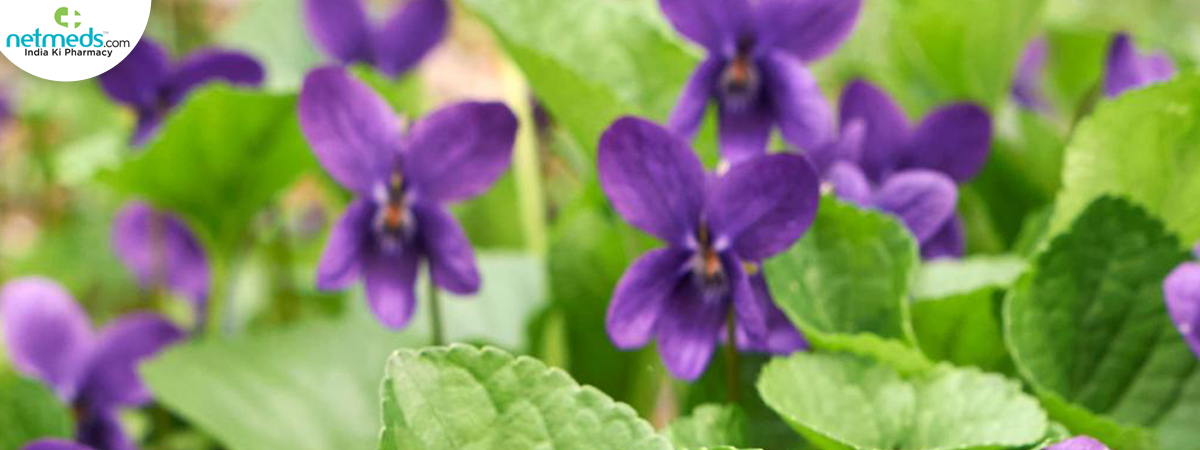
What Is Banafsha (Viola odorata)?
Banafsha (Viola odorata) is a fragrant perennial flowering herb belonging to the Violaceae family and the Viola genus. It is commonly known as sweet violet, common violet, wood violet or English violet. Kew's Plants of the World Online recognizes Viola odorata as an accepted species, with its native range extending from Europe to western and northern Iran and northwest Africa. It has also been introduced into several regions, including parts of India and the western Himalayas.
In India, Banafsha is particularly associated with cooler Himalayan regions and is traditionally used in Ayurvedic and Unani medicine. Different parts, especially the flowers, leaves and roots, have been used in traditional preparations.
The herb is especially famous for its traditional use in cough, cold, sore throat, respiratory congestion and inflammatory conditions. A review of Viola species notes that dried V. odorata flowers have traditionally been used as expectorants and analgesics, while leaves and flowers have been used for respiratory disorders.
How To Identify Banafsha Plant?
Banafsha is a small, delicate-looking herb, but its medicinal reputation is anything but small! Here are its characteristic features:
Leaves: The plant has soft, green, heart-shaped leaves that arise on long stalks and generally form a low-growing cluster.
Flowers: Its most distinctive feature is its fragrant violet, purple or bluish-purple flowers, which typically have five petals and a characteristic spur.
Stem: Banafsha is generally a low-growing perennial herb rather than a tall, upright plant.
Roots: The plant has a creeping rhizomatous root system from which leaves and flower stalks emerge.
Height: It generally remains relatively short, commonly reaching around 10–15 cm under suitable conditions.
Habitat: It prefers cool, temperate and relatively moist environments and is associated with shaded or semi-shaded habitats.
Banafsha Synonyms And Names
Banafsha is known by several names across regions and traditional medicine systems:
Botanical name: Viola odorata L.
Family: Violaceae
English: Sweet Violet, Common Violet, Wood Violet, English Violet
Hindi: Banafsha/Banafsa
Kashmiri: Banafsha
Persian: Banafsheh
Sanskrit/Traditional Indian usage: Banafsha and related vernacular names
The name can vary across regions, so correctly identifying the botanical species is important when purchasing or using herbal preparations.
Phytochemical Profile Of Banafsha
The therapeutic potential of Viola odorata has been linked to a diverse collection of plant compounds, although the precise composition can vary according to plant part, geography and extraction method.
Some reported constituents include:
Flavonoids: Compounds such as quercetin and rutin contribute antioxidant activity and may help protect cells against oxidative stress.
Phenolic compounds: These plant compounds are associated with antioxidant and anti-inflammatory activity.
Alkaloids: Several alkaloid constituents have been identified in V. odorata and are being investigated for biological effects.
Saponins: These naturally occurring compounds contribute to the plant's phytochemical profile and may play a role in some of its traditional applications.
Tannins: These compounds have astringent and antioxidant properties.
Coumarins: Coumarin-related compounds have also been reported in Banafsha.
Mucilaginous : These components are particularly relevant to the traditional use of violet preparations for soothing irritated mucous membranes.
Essential oils and aromatic compounds: These contribute to Banafsha's characteristic fragrance and have been investigated for antimicrobial and other biological activities.
Medicinal Qualities Of Banafsha
Banafsha has a long history of use in traditional medicine, particularly for respiratory and inflammatory complaints. Traditional applications and experimental research suggest several potentially useful properties:
Expectorant: Traditionally used to help loosen and clear respiratory mucus.
Demulcent/soothing: Its mucilage may help soothe irritated mucous membranes in the throat and respiratory tract.
Anti-inflammatory: Experimental research suggests that V. odorata extracts may help modulate inflammatory processes.
Antioxidant: Its phenolic and flavonoid compounds can exhibit free-radical-scavenging activity.
Analgesic: Traditional use and experimental studies suggest potential pain-relieving effects.
Antipyretic: Banafsha has traditionally been used in fever-related preparations.
Diuretic: Traditional medicinal literature describes its use for promoting urination.
Mild laxative: Certain preparations have traditionally been used to support bowel movement.
Antimicrobial: Laboratory research has identified antibacterial and antifungal activity in some Banafsha extracts.
Sedative and calming: Traditional use includes preparations for restlessness and sleep concerns, with limited clinical research also exploring its potential role in insomnia.
Banafsha Ayurvedic Properties
In Ayurvedic and traditional Indian herbal practice, Banafsha is described using the classical Rasa Panchaka framework.
Rasa (Taste): Tikta (bitter), Madhura (sweet)
Guna (Qualities): Laghu (light), Snigdha (unctuous)
Virya (Potency): Shita (cooling)
Vipaka (Post-digestive effect): Madhura (sweet)
Dosha action: Traditionally considered Pitta-Kapha shamak
Traditional therapeutic action: Kasa-Shwasahara, meaning traditionally used for cough and breathing-related complaints.
These Ayurvedic descriptions come from traditional materia medica and should not be interpreted as equivalent to modern clinical evidence.
Karma Actions Of Banafsha
Kasa-Shwasahara: Traditionally used to support relief from cough and respiratory discomfort.
Shothahara: Traditionally valued for reducing inflammatory swelling.
Jwarahara: Used traditionally in fever-related preparations.
Mutrala: Traditionally associated with promoting urinary elimination.
Virechana/Mild laxative action: Certain preparations are traditionally used to support bowel clearance.
Dahaprashamana: Its cooling nature is traditionally considered useful for heat-related discomfort.
Nidrajanana: Traditional applications include supporting relaxation and sleep.
Varnya: Traditional external applications include supporting healthy-looking skin.
10 Amazing Health Benefits Of Banafsha
Supports Respiratory Health
One of the best-known Banafsha medicinal uses is its traditional role in respiratory wellness. Flowers and leaves have traditionally been used for cough, congestion, sore throat and other respiratory complaints. The mucilage found in the plant may provide a soothing effect on irritated mucous membranes, while experimental research has investigated anti-inflammatory and bronchodilator effects.
A randomized trial involving children with intermittent asthma found that violet syrup used alongside standard short-acting bronchodilator treatment reduced the duration of cough compared with placebo, although this does not establish Banafsha as a standalone asthma treatment.
Also Read: Respiratory Health: 5 Incredible Herbs To Boost Your Lung Power
Soothes Cough And Sore Throat
Got an irritating cough that just won't quit? Banafsha has traditionally been used as an expectorant and soothing herb for cough and throat discomfort. Its mucilage may help coat and soothe irritated tissues, while traditional preparations such as syrups and decoctions have long been used for respiratory symptoms.
However, persistent cough, breathing difficulty, wheezing or high fever requires medical assessment rather than relying solely on herbal remedies.
Exhibits Anti-Inflammatory Potential
Inflammation is a normal defence mechanism, but excessive or persistent inflammation can contribute to various health problems. Research on Viola odorata has reported anti-inflammatory activity, including experimental evidence involving inflammatory pathways and lung inflammation.
This may partly explain why traditional medicine has used Banafsha for inflammatory conditions, respiratory irritation and certain skin concerns.
Provides Antioxidant Support
Banafsha contains several phytochemicals, including flavonoids and phenolic compounds, that demonstrate antioxidant activity in laboratory studies. Antioxidants help neutralize reactive molecules known as free radicals, thereby helping protect cells from oxidative stress.
While these findings are promising, laboratory antioxidant activity does not automatically mean that consuming Banafsha will prevent chronic disease in humans.
Augments Skin Health
Banafsha has traditionally been used both internally and externally for skin irritation, inflammation, wounds and certain skin disorders. Its antioxidant and anti-inflammatory phytochemicals may contribute to these traditional applications.
A topical preparation, however, should be properly formulated and tested before being applied to sensitive or damaged skin.
Also Read: The Elixir Of Youth: Proven Ayurvedic Herbs For Astounding Anti-Ageing Benefits
Relieves Pain
Traditional Persian medicine has used Banafsha preparations for headaches and other painful complaints, while modern reviews describe analgesic activity associated with V. odorata.
The available evidence is not sufficient to treat Banafsha as a substitute for established pain-relief therapies, but its traditional analgesic reputation makes it an interesting subject for further research.
Offers Relaxation And Sleep
A particularly interesting traditional application of Banafsha is its use for restlessness and sleep problems. One clinical study investigated Viola odorata nasal drops in people with chronic insomnia and reported improvements in sleep-related scores after one month, with mostly mild reported complications.
Still, this was a specific preparation and route of administration, so the findings should not be generalized to all Banafsha teas, powders or supplements.
Treats Urinary Issues
Banafsha has traditionally been described as having diuretic properties, meaning it may encourage urine production. Traditional applications include urinary complaints and promoting elimination of excess fluid.
However, anyone experiencing burning urination, blood in urine, fever, severe urinary pain or suspected UTI should seek medical attention rather than attempting to treat the condition with Banafsha alone.
Aids Digestion
Some traditional sources describe Banafsha as having a mild laxative action, while historical medicinal uses include constipation.
This makes Banafsha an interesting traditional digestive herb, but excessive intake may potentially cause gastrointestinal discomfort, and persistent constipation should be medically evaluated.
Antimicrobial Benefits
Laboratory investigations have identified antibacterial and antifungal activity in extracts or compounds associated with Viola odorata. These properties may contribute to its traditional use for certain infections and skin conditions.
Importantly, laboratory antimicrobial activity does not mean Banafsha can replace antibiotics or antifungal medicines prescribed for established infections.
How To Use Banafsha?
Banafsha may be found in traditional herbal preparations in several forms, including:
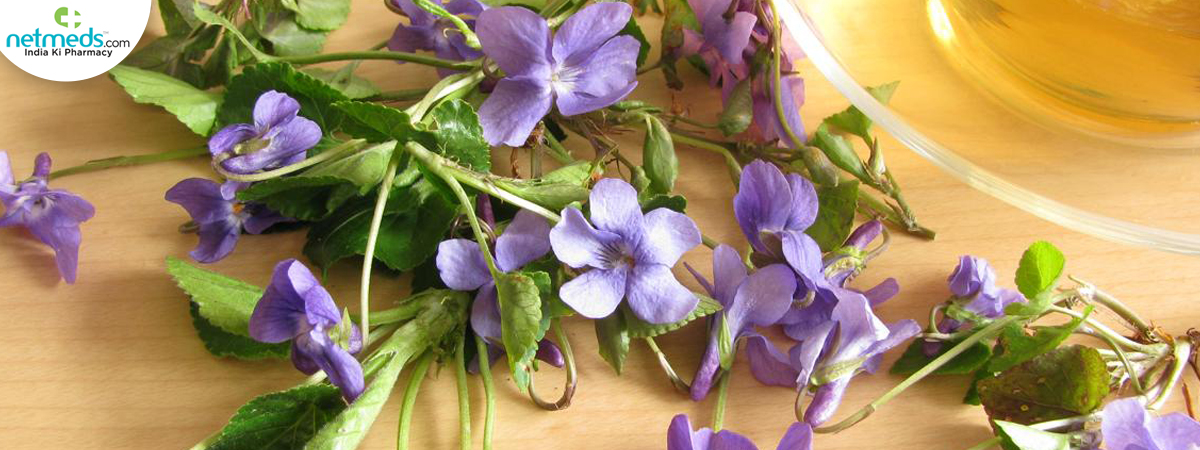
Banafsha Tea/Infusion: Dried flowers may be prepared as an infusion according to traditional herbal practice.
Decoction: Flowers or other plant parts may be boiled in water to make a traditional decoction.
Syrup: Banafsha is traditionally incorporated into herbal syrups, particularly respiratory preparations such as Sharbat-e-Banafsha.
Powder: Dried plant material may be powdered and incorporated into traditional formulations.
Topical Preparations: Properly formulated extracts may be used externally for certain traditional skin applications.
Important: The preparation, concentration, and plant part can significantly change the dose and effects, so homemade preparations should not be assumed to be equivalent to standardized herbal products.
Dosage Of Banafsha
There is no universally established modern clinical dosage for Banafsha, and the appropriate amount depends on the plant part, preparation and intended use.
A systematic review notes that historical herbal references have reported 2–4 g of dried herb taken three times daily, while another traditional reference reports 1 g daily of root; these are historical recommendations rather than universally validated modern dosing guidelines.
Therefore:
Dried herb/powder: Use only according to the product label or an Ayurvedic practitioner's recommendation.
Tea/decoction: Follow the preparation instructions from a qualified practitioner.
Syrup: Follow the manufacturer's or healthcare professional's recommended dose.
Children: Do not self-administer Banafsha without pediatric medical guidance.
Pregnancy/breastfeeding: Avoid medicinal doses unless specifically advised by a qualified healthcare professional.
Note: Never assume that a higher dose will provide greater benefits.
Potential Side Effects Of Banafsha
Banafsha is traditionally considered reasonably well tolerated at appropriate doses, but safety data remain limited. Reported or theoretically possible adverse effects include:
Gastrointestinal discomfort: Excessive intake may cause stomachache, nausea, vomiting or diarrhoea.
Allergic reactions: Sensitive individuals may experience skin irritation or other allergic symptoms.
Headache or discomfort: Individual sensitivity to concentrated herbal preparations can vary.
Potential excessive laxative effect: Higher amounts may potentially cause loose stools.
A review reports that exceeding certain traditional doses has been associated with gastroenteritis, vomiting, stomachache, nervousness and depression, reinforcing the importance of avoiding excessive consumption.
Banafsha Precautions
Pregnancy and breastfeeding: Safety during pregnancy and lactation has not been adequately established, so medicinal use should be avoided unless specifically recommended by a healthcare professional.
Children: Although some clinical studies have investigated violet syrup in children, these involved specific formulations and controlled settings; parents should not self-medicate children with Banafsha preparations.
People taking medicines: Because experimental research suggests that Banafsha may influence blood pressure, people taking antihypertensive medicines should consult their healthcare provider before using concentrated preparations.
Respiratory diseases: Banafsha should not replace prescribed asthma medication, antibiotics or other treatment for respiratory infections.
Allergies: Stop use and seek medical advice if rash, swelling, breathing difficulty or other signs of an allergic reaction develop.
Surgery: Because herbal products may potentially influence blood pressure or interact with medicines, discuss Banafsha use with your healthcare provider before surgery.
Choose authentic herbs: Since several Viola species look similar, use products from reputable sources with proper botanical identification.
Conclusion
Banafsha (Viola odorata) is a beautiful, fragrant herb with a fascinating history in traditional medicine. From its traditional use for cough, sore throat and respiratory discomfort to its potential antioxidant, anti-inflammatory, antimicrobial and calming properties, this little violet has plenty to offer.
Modern research is beginning to explore these traditional claims, including clinical studies involving cough and insomnia, but the evidence is still limited for many of Banafsha's purported benefits.
So, while Banafsha may be a useful addition to traditional wellness practices, it is best used in the right preparation and appropriate quantity, preferably under the guidance of a qualified Ayurvedic practitioner or healthcare professional.
Research References
- Kew Science – Plants of the World Online: Viola odorata
- PubMed – Critical Review on Phytochemistry and Pharmacology of Viola odorata
- PMC – Systematic Review of Phytochemistry and Pharmacological Applications of the Viola Genus
- PubMed – Viola odorata Flower Syrup and Cough in Children With Asthma
- PubMed – Efficacy of Viola odorata in Chronic Insomnia
 Previous