Prickly pear, also known as cactus pear, cactus fig or Indian fig, is an edible fruit that grows on the Opuntia cactus. It is scientifically known as Opuntia ficus-indica, which is a member of the Cactaceae cactus family. It has been used for ages in Mexican cuisine and is now gaining popularity in the American and other regions of the world. Most parts of the plant are edible, and the fruit is used widely in cocktails, juices, jams and other culinary delights.
Owing to its impressive profile of bioactive plant compounds and nutrients, prickly pear has been used in Mexican traditional medicine to treat liver problems and other health issues. Evidence reveals that these bioactive compounds contribute to its potent antioxidant and anti-inflammatory qualities.
Dive into this article to explore more about prickly pear’s nutrition, possible benefits and downsides, and ways to prepare it.
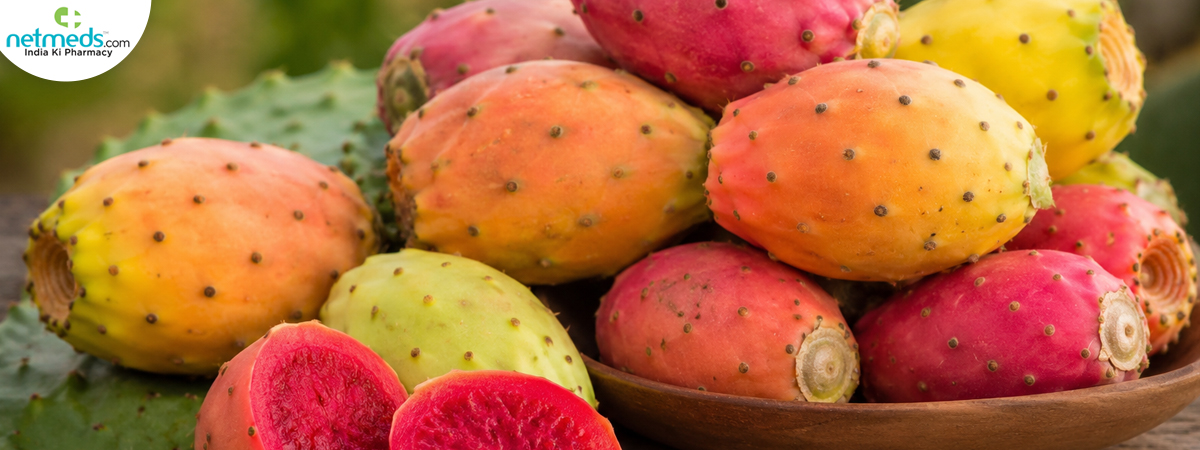
What Is Prickly Pear?
The prickly pear fruit has wide, flat, green paddles that are generally referred to as nopales. These nopales are edible and used in making several traditional dishes such as egg recipes, salads, tacos and soups. The flesh of the fruits is juicy and has a sweet taste much like that of watermelon. You can relish them both raw or cooked, and is mostly blended into juice, cocktails or cooked into jams.
Prickly pear is a plant native to Mexico that is now cultivated and found across several regions, including parts of the Mediterranean, Africa, Australia and India. It is also commonly called cactus pear or Indian fig. The fruit may have green, yellow, orange, red or purple skin and flesh based on the variety. The fruit bears numerous small, hard seeds that can be consumed fresh after removing its outer skin or added into juices, smoothies and other preparations.
Prickly Pear Nutrition
The nutritional value of prickly pears may differ slightly based on the variety. They are usually an abundant source of dietary fiber and vital vitamins and minerals. A cup of raw prickly pear approximately 150 grams contains:
Calories: 61
Protein: 1 gram
Fat: 1 gram
Carbohydrates: 14 grams
Fiber: 5 grams
Magnesium: 30% of the Daily Value (DV)
Vitamin C: 23% of the DV
Potassium: 7% of the DV
Calcium: 6% of the DV
*Source: As Per The US Food And Drug Administration(FDA)
The fruit is mainly made up of water and contains carbohydrates, while also offering dietary fibre and numerous essential micronutrients. Being a good source of both soluble and insoluble fiber, prickly pear fruits are beneficial for promoting digestive function. In addition, the wealth of minerals like magnesium, potassium, and calcium in prickly pears helps maintain healthy blood pressure, while being loaded with vitamin C supports the immune system.
Also Read: Prickly Pear Cactus For Hair: Benefits, Uses, And Precautions For Healthy Hair And Skin
Health Benefits
Potent Antioxidant Effects
One of the key reasons prickly pear fruits has gained popularity is its rich antioxidant profile. The fruit is heaped with vitamin C, betalains, phenolic compounds, flavonoids and carotenoids. The antioxidants help safeguard cells from oxidative stress caused by free radicals. In a study, it was found that having cactus pear fruit was linked to improvements in various markers of oxidative stress and antioxidant profile.
Promotes Digestive Health
The goodness of dietary fiber including soluble fiber pectin, helps add bulk to stools, regularises bowel movements and prevents constipation. Adding fibre-loaded fruits like prickly pear into a balanced meal regimen may contribute to healthy digestion and gut function.
Improves Heart Health
The fibre and antioxidant compounds found in prickly pear may have potential cardiovascular benefits. Clinical research has reported reductions in cholesterol and other cardiovascular risk markers following consumption of Opuntia products. However, results have varied between studies, and more research is needed before prickly pear can be considered a treatment for high cholesterol or heart disease.
Boosts Immune Health
Prickly pear provides vitamin C and several antioxidant compounds. Vitamin C plays an important role in normal immune function, while a diet containing a variety of fruits and vegetables helps provide essential nutrients and protective plant compounds.
Supports Weight Management
Prickly pear contains water and dietary fibre that keeps you satiated, reduces unwanted cravings and lowers overall calorie intake when added as part of a balanced meal or snack. However, it is not a magical solution or food that promotes weight loss. A systematic review of randomised clinical trials found that Opuntia ficus-indica supplementation did not produce a statistically significant reduction in body weight, although some cardiovascular and body-composition measures showed potential benefits.
Also Read: Prickly Pear Seed Oil: Surprising Skin Healing Benefits Of This Organic Ingredient
How To Eat Prickly Pear?
The outer skin of prickly pear should be removed before eating because it may contain tiny hair-like spines called glochids. To safely consume this fruit:
Wash the fruit thoroughly.
Handle it with tongs or gloves if the outer surface has spines.
Cut off both ends.
Make a lengthwise cut through the skin.
Peel the skin away from the pulp.
Eat the flesh fresh or add it to recipes.
The small seeds are edible, although they are quite hard and may be uncomfortable for some people to chew.
Uses Of Prickly Pear
Prickly pear is versatile and can be enjoyed in several ways.
Peel the fruit and eat the juicy pulp as a standalone snack.
Blend peeled prickly pear with other fruits, yoghurt or milk to make a refreshing and wholesome smoothie.
The pulp can be strained and used to prepare fresh juice. Avoid adding excessive sugar.
Diced prickly pear can add natural sweetness and colour to fruit or green salads.
It can be incorporated into sorbets, puddings, jams and other desserts.
Prickly pear pulp can be processed into sauces, syrups and other food products. The fruit is also used commercially in different processed foods and beverages.
Prickly Pear Side Effects
Prickly pear is generally considered a food that can be included in a balanced diet, but consuming large quantities or concentrated Opuntia products may cause problems in some people.
Excess intake of fiber-rich fruits may cause bloating, abdominal discomfort or changes in bowel habits, particularly in people who are not accustomed to eating fibre-rich foods.
The fruit's seeds and fibre may affect bowel habits differently from person to person. Eating large quantities without sufficient fluid intake may cause digestive discomfort for some individuals.
The most obvious precaution concerns the fruit's exterior. Tiny spines can become embedded in the skin and irritate. Always remove the outer skin carefully before eating.
How Much Prickly Pear Can You Eat?
There is no recommended daily amount specifically for prickly pear. Enjoy this as part of your daily fruit choices and rotate your fruit options throughout the week. If you are trying prickly pear for the first time, start with a moderate portion and see how your digestive system responds.
Frequently Asked Questions
Is Prickly Pear Good For Health?
Yes. Prickly pear is a nutritious fruit that provides water, fibre, vitamin C, minerals and antioxidant plant compounds. It can be a healthy addition to a balanced diet.
Is Prickly Pear Good For Weight Loss?
Prickly pear may support a healthy diet because it contains water and fibre, but there is insufficient evidence to consider it a weight-loss treatment.
Can I Eat Prickly Pear Seeds?
Yes, the seeds are naturally present in the edible pulp. However, they are hard, so some people prefer to strain them when preparing juice or smoothies.
Conclusion
Prickly pear fruit comes with a dense nutrient profile that can add variety to a wholesome diet regimen. It offers dietary fiber, vitamin C, and antioxidants including betalains and polyphenols. Research suggests potential benefits for antioxidant status, cardiovascular health, and metabolic health, but evidence varies considerably depending on whether the research involves the fruit, cactus pads, or concentrated extracts.
Enjoy peeled prickly pear as a fresh fruit, in salads, smoothies or homemade beverages; as with any fruit, moderation and dietary variety are key.
References;
http://sciencedirect.com/science/article/pii/S1319016424002172
https://foodandnutritionresearch.net/index.php/fnr/article/view/1262
Short-term cactus pear [Opuntia ficus-indica (L.) Mill] fruit supplementation ameliorates the inflammatory profile and is associated with improved antioxidant status among healthy humans
 Previous