


Ever brushed past a roadside weed and didn’t give it a second thought? That “ordinary” plant might actually be a hidden Ayurvedic powerhouse. This underrated herb offers numerous Apamarga herb benefits and remarkable medicinal properties of Achyranthes aspera, making people curious about what Apamarga is used for cleansing the body, balancing dosha and treating a wide range of health concerns.
From detoxification rituals in Ayurveda to remedies for skin issues, digestion, and respiratory health, Apamarga holds a special place in traditional healing systems. What makes it even more fascinating is how easily available it is, often growing wild in fields and roadsides across India.
In this blog, let us dive deep into what Apamarga is, its plant profile, medicinal qualities, Ayurvedic properties, health benefits, dosage, side effects, and precautions, so you can understand how to use this herb safely and effectively.
Be in the pink of health with our wide range of Ayurvedic supplements!
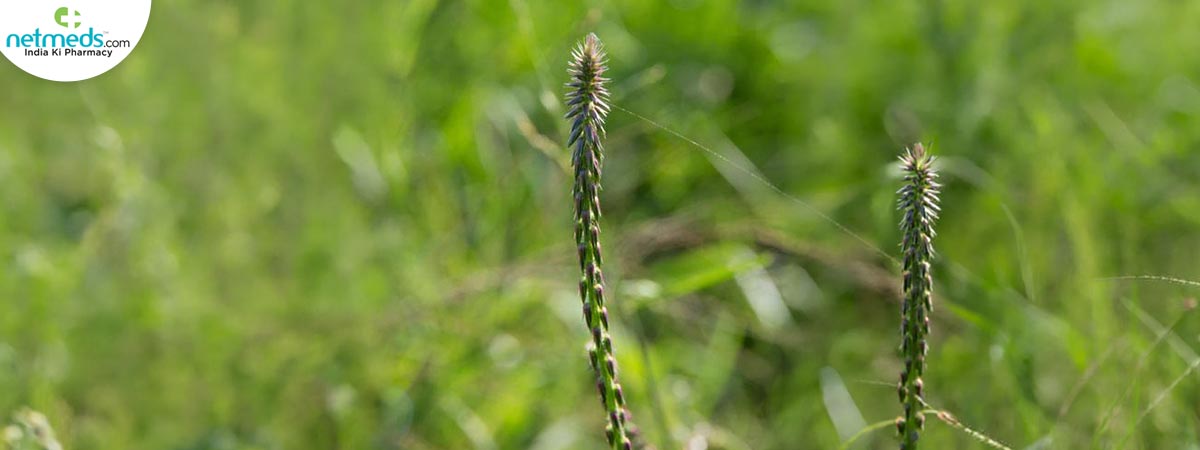
What Is Apamarga (Achyranthes aspera)?
Apamarga, scientifically known as Achyranthes aspera, is a widely used medicinal herb in Ayurveda. It belongs to the Amaranthaceae family and is commonly found growing in tropical and subtropical regions.
The name ‘Apamarga’ in Sanskrit translates to “that which wipes away,” symbolising its powerful cleansing and detoxifying properties. Traditionally, it has been used in therapies like Kshara Karma (a specialized Ayurvedic procedure) and is known for removing toxins (Ama) from the body.
Different parts of the plant, including roots, seeds, leaves, and the whole plant, are used for therapeutic purposes. It is particularly valued for its detoxifying, anti-inflammatory, digestive, and anti-parasitic properties.
Plant Description Of Apamarga
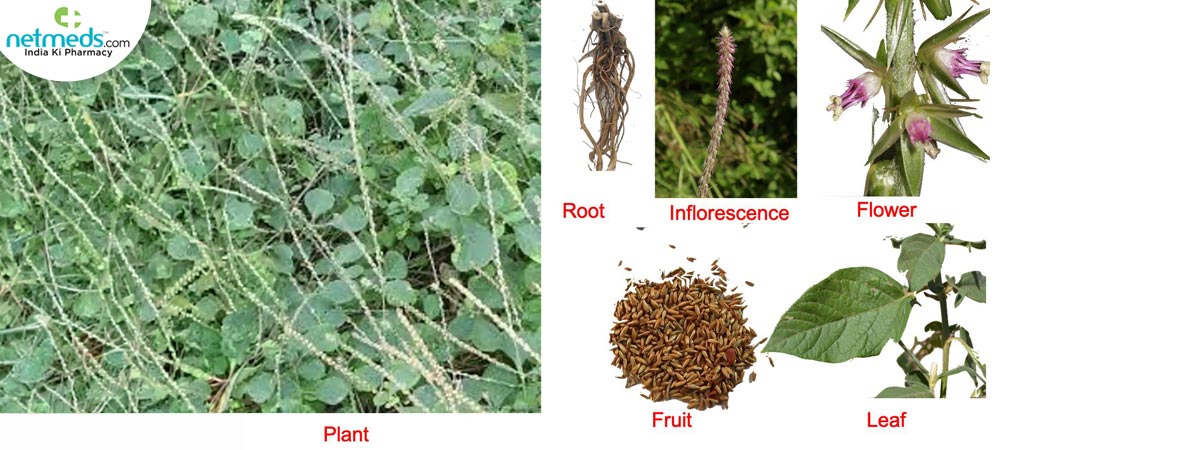
Apamarga is a hardy, erect annual or perennial herb that typically grows up to 1–2 meters in height. It thrives in dry, wastelands, roadsides, and open fields, making it highly adaptable and easy to find.
The plant features simple, opposite leaves that are oval-shaped and slightly hairy in texture. The stems are stiff and branched, often with a rough surface.
It produces long spikes of small, greenish-white flowers, which later develop into sharp, persistent seeds. These seeds easily cling to clothing or animal fur, aiding in the plant’s spread.
The roots are cylindrical and tough, while the entire plant is known for its slightly bitter and pungent taste, reflecting its potent medicinal nature.
Vernacular And Other Names Of Apamarga
Scientific Name: Achyranthes aspera
Sanskrit: Apamarga, Kharamanjari
English: Prickly Chaff Flower
Hindi: Chirchita, Latjira
Bengali: Apang
Tamil: Nayuruvi
Telugu: Uttareni
Kannada: Uttarani
Malayalam: Kadaladi
Marathi: Aghada
Gujarati: Aghado
Apamarga Medicinal Qualities
Apamarga is rich in various bioactive compounds that contribute to its therapeutic actions:
Alkaloids
Saponins
Flavonoids
Tannins
Glycosides
Key Therapeutic Actions:
Detoxifying (Shodhana)
Anti-inflammatory
Antimicrobial
Digestive stimulant
Diuretic
Anti-parasitic
Expectorant
Ayurvedic Properties Of Apamarga
According to Ayurveda, Apamarga possesses the following characteristics:
Rasa (Taste): Katu (pungent), Tikta (bitter)
Guna (Quality): Laghu (light), Ruksha (dry)
Virya (Potency): Ushna (hot)
Vipaka (Post-digestive effect): Katu
Dosha Effect: Balances Kapha and Vata; may increase Pitta if overused
These properties make Apamarga particularly effective in clearing toxins, improving digestion, and managing Kapha-related disorders like congestion and sluggish metabolism.
10 Powerful Health Benefits Of Apamarga
Detoxifies Body
One of the most celebrated benefits of Apamarga is its powerful detoxifying nature. In Ayurveda, toxin accumulation (Ama) is considered the root cause of many chronic diseases. Apamarga helps flush out these toxins by stimulating metabolic processes and supporting liver function. It also promotes mild sweating and urination, two natural detox pathways of the body. Regular, guided use may help purify the blood, improve skin clarity, and enhance overall vitality. This makes it especially useful during seasonal detox routines or Panchakarma therapies.
Enhances Digestive Strength
Apamarga acts as a Deepana (appetite stimulant) and Pachana (digestive enhancer) herb. It kindles the digestive fire (Agni), which is essential for proper digestion and nutrient assimilation. It helps break down undigested food particles that often lead to bloating, heaviness, and gas formation. Additionally, its carminative properties relieve abdominal discomfort and regulate bowel movements. People suffering from sluggish digestion, constipation, or irregular appetite may benefit significantly from this herb when used appropriately.
Also Read: Digestive Health: 5 Amazing Herbs For Uplifting Gut Health And Function-Infographic
Aids Healthy Weight Management
Apamarga is particularly effective in balancing Kapha dosha, which is often linked to weight gain, sluggish metabolism, and fat accumulation. By improving digestion and metabolism, it helps the body utilise nutrients more efficiently rather than storing them as fat. Its detoxifying properties further support weight loss by eliminating metabolic waste. While not a “magic weight loss herb,” Apamarga can complement a balanced diet and active lifestyle to promote sustainable weight management.
Also Read: Ayurveda For Weight Loss: Powerful Supplements To Shed Excess Fat In No Time
Supports Respiratory Wellness
Apamarga works as a natural expectorant, helping to loosen and expel excess mucus from the respiratory tract. This makes it beneficial in conditions like cough, cold, asthma, and bronchitis. Its anti-inflammatory properties help soothe irritated airways, while its Kapha-reducing nature prevents excessive mucus formation. Regular use (under supervision) may improve breathing capacity and reduce recurrent respiratory discomfort, especially during seasonal changes.
Also Read: Respiratory Health: 5 Incredible Herbs To Boost Your Lung Power
Promotes Healthy Skin
Healthy skin often reflects a clean internal system, and Apamarga contributes by purifying the blood and eliminating toxins. Its antimicrobial and anti-inflammatory properties help combat acne-causing bacteria, reduce redness, and soothe irritated skin. It may also be beneficial in managing chronic skin conditions like eczema, boils, and itching. Topical application (in paste form) and internal use both support skin healing and improve overall complexion.
Acts As A Natural Diuretic
Apamarga helps increase urine output, making it a gentle yet effective diuretic. This supports the body in flushing out excess salts, toxins, and fluids. It can be beneficial in managing mild urinary tract issues, water retention, and kidney-related discomfort. Maintaining urinary tract hygiene, it also helps reduce the risk of infections. Its cleansing action ensures that the body’s fluid balance remains optimal.
Also Checkout: Natural Diuretics: 5 Must-To-Try Herbs For Better Kidney Health- Infographic
Strengthens Oral Health
Traditionally, Apamarga twigs were used as natural toothbrushes due to their antimicrobial properties. It helps reduce plaque buildup, strengthens gums, and prevents common dental issues such as bad breath, gingivitis, and minor infections. Its astringent nature tightens gum tissues and promotes oral hygiene naturally, making it a simple yet effective traditional remedy.
Eliminates Intestinal Parasites
Apamarga exhibits anti-parasitic and antimicrobial properties, making it useful in expelling intestinal worms and harmful microbes. Parasite infestations often lead to digestive disturbances, weakness, and nutrient deficiencies. Apamarga helps cleanse the gut environment, restoring digestive balance. This benefit is particularly useful in traditional deworming therapies in Ayurveda.
Accelerates Wound Healing
Apamarga supports faster healing of wounds due to its anti-inflammatory, antimicrobial, and tissue-regenerating properties. It helps prevent infection, reduce swelling, and promote the formation of new healthy tissue. When applied externally as a paste or used internally, it can aid in the healing of cuts, ulcers, and minor injuries. This makes it a valuable herb in both internal and external healing therapies.
Effective In Managing Piles
One of the most unique uses of Apamarga is in Kshara Karma, a specialised Ayurvedic para-surgical procedure. Apamarga-derived alkaline extract (Kshara) is used to treat conditions like piles (haemorrhoids), fistula, and certain growths. It helps cauterise unhealthy tissue, reduce swelling, and promote healing. Its scraping (Lekhana) and cleansing properties make it highly effective in managing these conditions without invasive surgery in many cases.
Apamarga Dosage
The dosage of Apamarga depends on the form and individual health condition:
Powder (Churna): 2–5 grams daily with warm water
Decoction (Kwath): 30–50 ml once or twice daily
Juice (Swarasa): 10–20 ml per day
Kshara (alkaline extract): Only under expert supervision
Note: Always consult an Ayurvedic practitioner for personalised dosage and duration.
Side Effects Of Apamarga
Apamarga is generally safe when used in recommended doses, but excessive intake may cause:
Increased body heat
Burning sensation
Possible allergic reactions (rare cases)
Precautions
Pregnancy and Breastfeeding: Avoid unless prescribed by a healthcare expert
Pitta Dominance: Use cautiously, as it has heating properties
Chronic Illness: Consult a doctor before use
Long-Term Use: Avoid self-medication for prolonged periods
Children: Use only under supervision
Frequently Asked Questions
What is Apamarga used for?
Apamarga is used for detoxification, digestion, respiratory health, skin issues, and managing piles in Ayurveda.
Is Apamarga safe for daily use?
It can be used in moderate doses under guidance, but long-term use should be supervised.
Can Apamarga help with weight loss?
Yes, it may support metabolism and reduce excess Kapha, aiding weight management.
Which part of Apamarga is medicinal?
Almost all parts, roots, leaves, seeds, and the whole plant, are used medicinally.
Does Apamarga have side effects?
Excess use may cause heat, gastric irritation, or discomfort.
Conclusion
Apamarga (Achyranthes aspera) is a true example of how powerful nature can be, even in the most overlooked plants. From detoxification and digestion to skin health and respiratory support, this herb offers a wide spectrum of benefits.
Its strong cleansing and healing properties make it a valuable addition to Ayurvedic medicine, especially for managing Kapha-related disorders and toxin buildup. However, due to its potency, it is essential to use it. Apamarga mindfully and under proper guidance. When incorporated correctly, this humble roadside herb can play a significant role in enhancing your overall wellness journey.
References:
 Previous