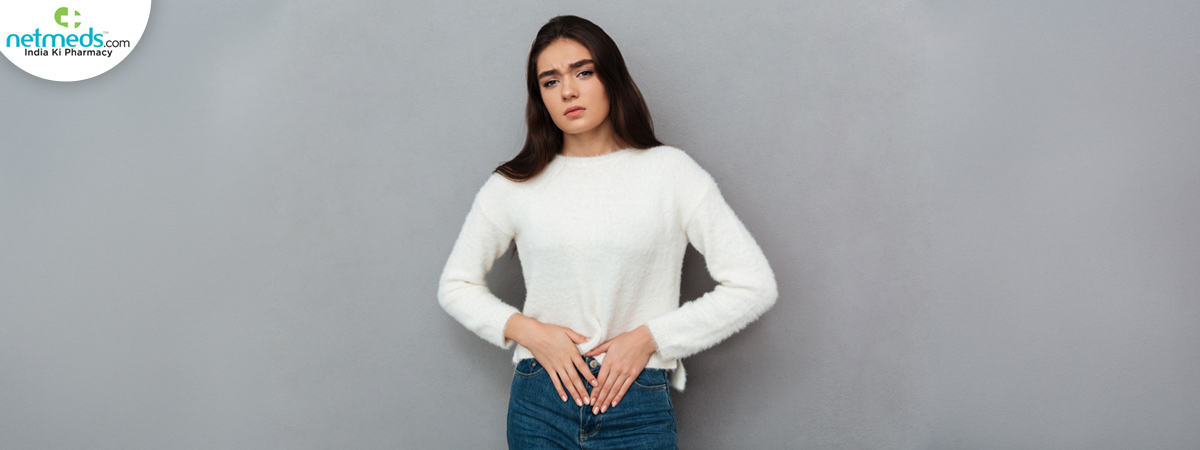
World Continence Week is a global health awareness campaign dedicated to educating people about bladder and bowel health issues, including urinary incontinence. Millions of people worldwide experience continence-related conditions that affect their quality of life, confidence, and daily activities. The theme for World Continence Week 2026 is ‘One Conversation Can Change Everything.’ Aims to raise awareness about bladder and bowel health, reduce misconceptions surrounding continence issues, reduce stigma, encourage early diagnosis, and promote effective management strategies.
By increasing awareness about continence care, prevention methods, and healthy lifestyle habits, individuals can take proactive steps toward maintaining better bladder health and overall well-being.
Also Read: Urinary Incontinence: Causes, Symptoms, and Treatment
What Causes Incontinence?
Urinary incontinence can occur due to various factors, including:
· Weak pelvic floor muscles
· Pregnancy and childbirth
· Ageing-related muscle changes
· Obesity and excess weight
· Neurological disorders such as Parkinson's disease and stroke
· Urinary tract infections (UTIs)
· Prostate problems in men
· Certain medications and chronic illnesses
What Can Be Done to Prevent Incontinence?
Understanding the underlying cause is essential for effective treatment and management. Preventing incontinence often involves incorporating the following healthy lifestyle choices and proactive bladder care:
Maintain a Healthy Weight
Maintaining a healthy weight is essential for bladder health and continence management. Excess body weight places added pressure on the bladder and pelvic floor muscles, increasing the risk of urinary leakage. Following a balanced diet and engaging in regular physical activity can help significantly improve bladder control.
Perform Pelvic Floor Exercises
Pelvic floor exercises can help strengthen the muscles that support the bladder, bowel, and reproductive organs. Practicing these exercises regularly can improve bladder control, reduce episodes of urinary leakage, and support long-term continence. Consistency is key to achieving noticeable and lasting results.
Stay Physically Active
Regular physical activity supports overall health and helps maintain strong muscles, including those involved in bladder control. Exercise can also help manage body weight, improve circulation, and reduce the risk of chronic health conditions that may contribute to incontinence. Aim for moderate activity most days of the week.
Avoid Smoking
Smoking can negatively affect bladder health in several ways. Persistent coughing caused by smoking places repeated strain on the pelvic floor muscles, potentially leading to weakness over time. It can also increase the risk of bladder irritation and other health issues that can worsen continence problems.
Manage Fluid Intake
Proper hydration is important for maintaining a healthy urinary system. Drinking adequate amounts of water helps prevent concentrated urine, which can irritate the bladder. At the same time, limiting excessive consumption of caffeine, alcohol, and sugary drinks may reduce urinary urgency, frequency, and bladder discomfort in some individuals.
Treat Constipation Promptly
Chronic constipation can increase pressure on the bladder and surrounding pelvic structures, making urinary symptoms worse. Consuming fibre-rich foods, staying hydrated, and maintaining regular physical activity can help promote healthy bowel movements. Addressing constipation early may reduce bladder strain and improve continence outcomes.
Also Read: Dysuria/ Mutrakrichha: What Is It, 5 Best Ayurvedic Herbs To Treat Burning Urination Naturally
Foods That Help Support Bladder Health
A bladder-friendly diet can help reduce symptoms and support continence management. Choosing nutrient-rich foods may help minimize bladder irritation and promote better urinary function. Including adequate fibre in your diet can also support digestive health and prevent constipation, which can place additional pressure on the bladder. Additionally, staying well hydrated and avoiding known dietary triggers may help improve bladder comfort and control. The following options can go a long way:
· High-Fiber Foods
· Oats
· Whole grains
· Brown rice
· Lentils
· Beans
· Fruits and vegetables
· Lean Proteins
· Foods Rich in Magnesium
Frequently Asked Questions
Can urinary incontinence be prevented?
While not all cases of urinary incontinence can be prevented, adopting healthy lifestyle habits can significantly reduce the risk. Maintaining a healthy weight, performing pelvic floor exercises, staying physically active and managing fluid intake can help support bladder health and improve bladder control.
Which foods are good for bladder health?
A bladder-friendly diet typically includes high-fibre foods, fruits, vegetables, lean proteins, and magnesium-rich foods.
What key foods contribute to better continence management?
Food options such as oats, whole grains, lentils, bananas, blueberries, spinach, and can support urinary health and reduce bladder irritation.
Conclusion
World Continence Week serves as an important reminder that bladder and bowel health are essential components of overall wellness. By understanding the causes of incontinence, adopting preventive measures, and following a nutritious bladder-friendly diet, individuals can improve their quality of life and reduce the risk of continence-related issues.
References:
Urinary Incontinence
Stephen W. Leslie; Linh N. Tran; Yana Puckett.
https://www.ncbi.nlm.nih.gov/books/NBK559095/
https://www.teleflexurology.uk/blog/world-continence-week-how-to-advocate-for-your-own-bladder-health/
 Previous