The gallbladder is a tiny pear-shaped organ located in the top right corner of the stomach, beneath the liver. It holds a significant role in the digestive function by collecting, storing, and releasing bile acids. We often ignore gallbladder health, unless it is acting up, causing pain or discomfort. But some issues, like gallbladder stones, make it essential to modify the diet and eating habits. Incorporating certain foods in the meal plan helps improve the health and functioning of the gallbladder.
Following a gallbladder diet can maintain the gallbladder in good condition, averting acid reflux, nausea, vomiting, and abdominal cramps. Also, it is essential to restrict all processed and high-fat foods and have a nutritious and balanced diet.
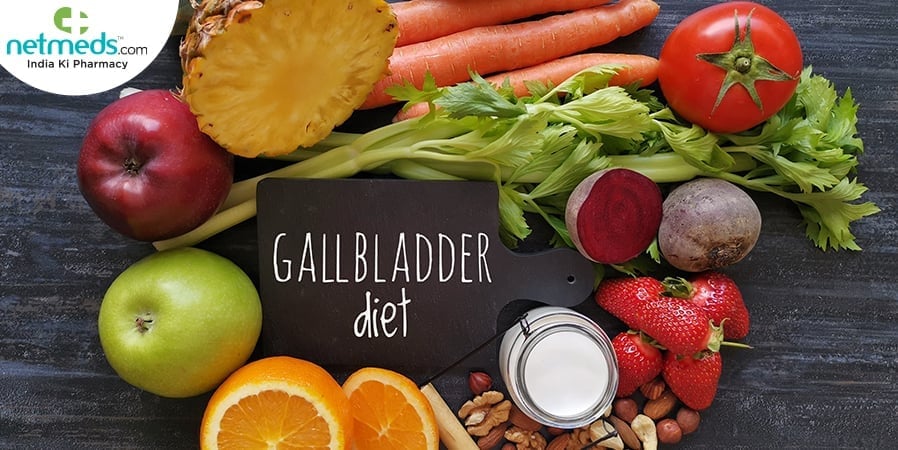
Dive into this article to get a detailed insight into foods to add and avoid for better gallbladder health.
What Are The Common Gallbladder Issues?
Gallbladder Stones:
Gallstones or gallbladder stones are a condition where bile consists of pebble-like elements that can build up in the gallbladder or bile ducts. It varies from the size of golf balls to small sand particles. Surgery is the best option, where the gallbladder is removed in serious cases. However, following a gallbladder diet may help ease symptoms while waiting for the procedure.
Also Read: Gallstones: Symptoms, Causes And Treatment
Cholecystitis:
Cholecystitis is an inflammation of the gallbladder, which develops when a gallstone prevents bile from leaving the gallbladder, and this too needs surgery to treat the problem.
Gallstone Pancreatitis:
An inflammation of the pancreas is caused by gallstones, and it is known as gallstone pancreatitis. It occurs when a gallstone moves via the common bile duct and hinders a part of the pancreatic duct before emptying into the small intestine.
What Is A Gallbladder Diet?
A gallbladder diet is a low-fat diet that eliminates fatty foods and focuses on incorporating low-fat substitutes. Also, it encourages eating small, frequent meals, and it lessens the burden to digest large meals at a time. Thus, easing the stress on the gallbladder. Though it minimizes calorie intake, it does not support crash dieting. A crash diet impedes the sensitive balance of the gut, which makes the liver release more cholesterol, making it harder for the gallbladder to function well.
Also, if you notice any specific foods that trigger pain, then avoid having those foods. Once the gallbladder is removed, it is not essential to follow a gallbladder diet, but healthy eating is always the best way to improve overall well-being.
The gallbladder diet aids in promoting the digestion process and lessens the stress that it imposes on the gallbladder. Moreover, following a calorie-restricted gallbladder diet and maintaining an ideal weight will be valuable if a person is obese or overweight.
Foods to Include And Avoid
Fruits /Vegetables
Fresh fruits and vegetables are blessed with a wealth of vitamins, minerals, antioxidants, and dietary fibre that are vital for the healthy functioning of the gallbladder. A diet laden with veggies and fruits mitigates a person's risk of developing gallstones by improving the digestive process. Also, adding foods rich in vitamin C, like kiwis, broccoli, oranges, leafy green vegetables, and grapefruit, can help reduce the risk of gallbladder issues.
Plant-Based Protein
Plant-based protein is helpful in lessening the risk of gallbladder problems. Furthermore, following a vegetarian diet may help manage lipid profile, which can lower a person's risk of heart disease and gallstones. Beans, nuts and legumes, tofu, and tempeh are impressive meat substitutes that are high in protein.
Healthy Fats
A diet comprising good fats is proven to augment gallbladder health and function. Healthy fats in the meal plan are attributed to positive impacts such as reduced triglyceride levels, improved quality of bile, and controlled gallbladder contractions. Nuts, olive oil, and fish oil supplements are some of the food products rich in good fats.
Also Read: Ayurveda For Gallstones: Natural Remedies To Treat Cholelithiasis And Uplift Liver Health
Fiber-Loaded Foods
A diet rich in fibre helps to keep the gallbladder healthy. It supports the movement of food via the gut and reduces the production of secondary bile acids. Also, fibre rich foods keep you satiated and support to lose weight. Whole grain cereals, oats, millets, nuts and seeds, vegetables, and fruits are some of the food sources abundant in dietary fibre.
Some of the foods heaped with beneficial nutrients that are well-known to improve gallbladder health include:
- Flaxseeds
- Avocados
- Beans
- Oranges
- Ladies finger
- Bitter gourd
- Broccoli
- Spinach
- Beets
- Probiotic like low-fat yogurt, miso sauerkraut, and Kombucha
Good hydration is also important
Foods to Avoid
Bad Fats
It is essential to cut down all sources of unhealthy fat products from the diet. Mainly deep-fried foods and high amounts of cholesterol. Chips, cookies, fast food, and pizzas need to be restricted. Too much fat can be crystallized in the bile and form gallstones. Consult a nutritionist or dietitian to manage your cravings and know healthy alternatives for these foods.
High Sugar Foods
Sugar-laden foods can harm your system in several ways. As the gallbladder's health is affected by body weight, it is important to maintain a healthy weight and reduce overeating. Avoid carbonated beverages, sweetened tea or coffee, cakes, cookies or candies, pudding, ice-creams, etc.
Dairy Products
Be very cautious while consuming high-fat dairy products. Cheese and butter are loaded with fat content, which can harm the system and negatively impact the health of the gallbladder.
Frequently Asked Questions
What To Eat And Avoid On A Gallbladder Diet?
A gallbladder-friendly diet focuses on reducing fat load and supporting digestion. Foods to include:
Fresh fruits like apples, berries, and citrus fruits
Vegetables such as leafy greens, carrots, and beetroot
Whole grains: oats, brown rice, and whole wheat
Lean proteins like skinless chicken, fish, tofu, and lentils
Low-fat dairy and low-fat curd
Healthy fats in minimal amounts, like olive oil or sesame oil
Foods to avoid:
Fried and greasy foods
Fatty cuts of meat
Butter, ghee, cream, and cheese
Processed foods and fast food
Sugary desserts and pastries
Excess caffeine and alcohol
What Food Does The Gallbladder Digest?
The gallbladder does not digest food directly. Its role is to store and release bile, which helps digest fats.
Bile emulsifies dietary fats so enzymes can break them down in high-fat foods.
When bile flow is disrupted, fat digestion becomes difficult
Which Type Of Food Should Be Avoided When The Gallbladder Is Removed?
After gallbladder removal (cholecystectomy), bile flows continuously, making fat digestion harder.
Foods to limit or avoid:
Fried foods and deep-fried snacks
High-fat dairy products
Fatty meats (sausages, bacon)
Creamy sauces and gravies
Spicy and highly processed foods
Carbonated drinks and excess sugar
Conclusion:
A gallbladder diet is valuable in maintaining the health of the gallbladder and remedying problems like gallstones, cholecystitis, and pancreatitis inflammation. It is important to monitor your weight and gradually reduce weight. Avoid crash diets and adopt mindful eating habits that encompass wholesome food packed with nutrition.
References:
Dietary Patterns and Risk of Gallbladder Disease: A Hospital-based Case-Control Study in Adult Women
Mahsa Jessri 1, Bahram Rashidkhani
https://pmc.ncbi.nlm.nih.gov/articles/PMC4438647/
Healthy Dietary Pattern Reduces Risk of Gallstones: Results of a Case-Control Study in Iran
Naseri, Kaveh; Saadati, Saeede; Asadzadeh-Aghdaei, Hamid; Hekmatdoost, Azita1; Sadeghi, Amir; Sobhani, Seyyed Reza2; Abhari, Khadijeh1; Bahrami, Alireza1; Rahimi_Sakak, Fatemeh1; Jamshidfar, Negin; Zali, Mohammadreza
https://journals.lww.com/ijom/fulltext/2022/13000/healthy_dietary_pattern_reduces_risk_of.66.aspx
 Previous