Ageing is a natural process that comes with several changes in the human body, including physical, emotional and metabolic. As people grow older, their nutritional demands also change remarkably. Poor appetite, slower metabolism, compromised immune system, gut problems and chronic medical conditions have considerably increased the risk of nutritional deficiencies among older people. Thereby making geriatric nutrition a key aspect of healthy ageing and overall wellness.
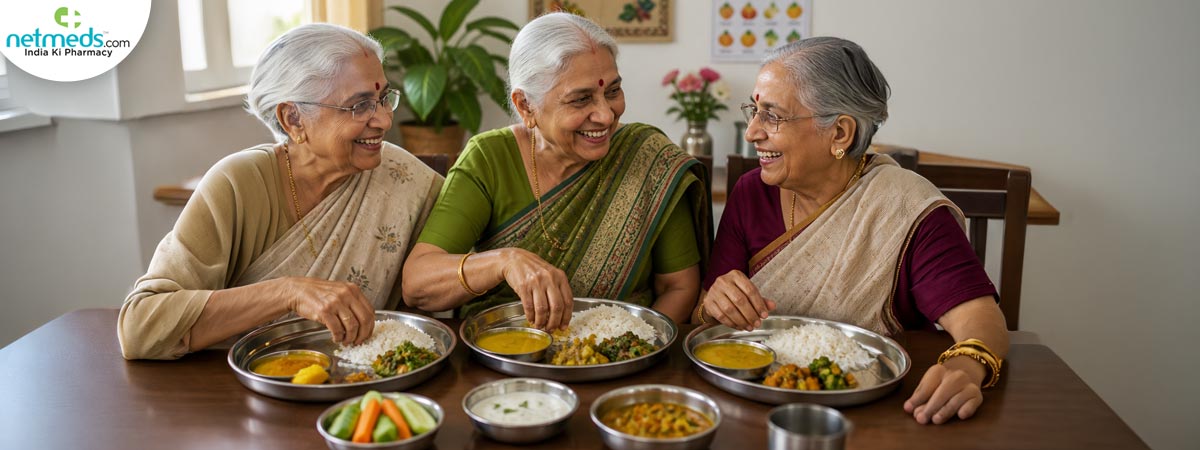
Geriatric nutrition primarily pays attention to the nutritional challenges and dietary requirements faced by elderly adults. With age, the body undergoes tremendous changes that can affect how the human body absorbs and metabolises nutrients. In addition, this needs mostly shifts, and the risk of malnutrition increases due to various factors like chronic medical conditions, drug interactions, and poor mobility. A well-planned diet regimen and the right nutrition are vital for sustaining muscle strength, cognitive function, immune function and a better quality of life. In addition, it also lowers the risk of age-related complications like osteoporosis, muscle loss, diabetes and heart diseases.
Importance Of Geriatric Nutrition
A wholesome diet and good nutrition hold a key role in enhancing healthy ageing. With ageing, the ability to absorb nutrients depletes, muscle mass decreases, and the risk of chronic medical problems rises. Moreover, elderly people may also experience reduced thirst sensation, dental issues, chewing difficulties, digestive problems, or drug-related appetite loss, which can further impact their nutritional intake.
A well-balanced geriatric diet regimen helps:
Support muscle mass and improve physical strength.
Boost immunity and faster recovery.
Promote brain and cognitive health.
Maintain healthy bones and joints.
Optimise digestion and gut health.
Prevent weakness, fatigue, and malnutrition.
Augments heart and metabolic health.
Elderly adults should ensure their diet comprises an adequate amount of macro and micronutrients, which helps them remain active, independent, and healthier for longer.
5 Must-Have Nutrients For Elderly People
Protein
Protein is one of the most important macronutrients for older people. With ageing, there is a loss of muscle mass and strength, resulting in a condition known as sarcopenia. Adequate intake of protein helps preserve muscle mass, improve movement, support tissue repair and speed up the recovery from injury, illness or surgery.
Some of the food sources rich in protein include:
Eggs
Low- fat milk and curd
Paneer and tofu
Fish and skinned chicken
Lentils and beans
Protein supplements (if recommended by healthcare professionals)
Calcium
Calcium is a key mineral for augmenting stronger bones and teeth. Elderly adults are prone to osteoporosis and fractures due to reduced bone mineral density. Adequate calcium intake supports bone health, improves bone mass and reduces the risk of falls and fractures.
Also Read: How Supplements Help Manage Osteoporosis? Benefits And More
Food sources rich in calcium include:
Dairy and dairy products
Sesame seeds
Ragi
Almonds
Green leafy vegetables
Tofu
Fortified cereals and milk products
Fish with bones like sardine and salmon
Vitamin D
Vitamin D is a vital nutrient that plays a key role in calcium absorption and promoting bone density, improving muscle function and building a robust immune system. Generally, older people are deficient in vitamin D due to reduced sun exposure and skin synthesis.
Food sources rich in vitamin D include:
Sunlight exposure
Egg yolks
Fatty fish
Fortified foods
Vitamin D supplements (if prescribed)
Dietary Fibre
Fibre plays a crucial role in digestive function, gut microbiome balance and helps prevent constipation, which is common among elderly individuals. A diet rich in natural sources of dietary fibre helps maintain a healthy lipid profile, improves heart health, stabilises blood sugar levels, and enhances gut health.
Food sources rich in fibre include:
Fruits
Vegetables
Whole grains
Seeds and legumes
Omega-3 Fatty Acids
Omega-3 fatty acids are an essential fatty acid that should be complemented in the meal regimen, as the body does not produce them. It helps support brain function, heart health, and reduces inflammation. In addition, omega-3 fatty acids may also help improve cognitive function, memory and joint health in older adults.
Food sources rich in omega-3 fatty acids include:
Fatty fish
Walnuts
Flaxseeds
Chia seeds
Dietary Tips for Elderly Individuals
Ensure to eat small, balanced meals spaced throughout the day at regular intervals.
Stay well hydrated and drink plenty of fluids.
Add high-quality protein sources in every meal.
Limit intake of processed, junk and high-sugar foods.
Choose easy-to-digest and nutrient-dense whole foods.
Stay physically active whenever possible.
Consult a doctor or dietitian for personalised nutritional guidance.
Conclusion
Nutrition is the basis of healthy ageing and well-being. A wholesome geriatric diet rich in protein, calcium, vitamin D, fibre, and omega-3 fatty acids can help elderly individuals maintain strength, movement, and optimal health. Paying attention to nutritional needs during ageing can significantly improve the quality of life and reduce the risk of age-related health complications.
References:
https://www.sciencedirect.com/science/article/pii/S0749069018306207
https://pmc.ncbi.nlm.nih.gov/articles/PMC6971894/
Nutritional Interventions for Elderly and Considerations for the Development of Geriatric Foods
Damanpreet Kaur 1, Prasad Rasane 1,2,*, Jyoti Singh 1, Sawinder Kaur 1, Vikas Kumar 1, Dipendra Kumar Mahato 3, Anirban Dey 4, Kajal Dhawan 1, Sudhir Kumar 2
 Previous