Sarcopenia is a condition categorised by progressive loss of skeletal muscle mass, strength, and function that typically develops with ageing. The term Sarcopenia is derived from the Greek phrase “poverty of flesh”. However, it can also affect younger adults with nutritional deficiency, chronic illness, or inactivity. In elderly people, this condition can adversely affect them physiologically as well as psycho-socially, as it makes it difficult for them to carry out their daily activities, increases fall risk and dependence on others.
Shop From Our Broad Spectrum of Nutritional Supplements To Stay Healthy
While resistance exercises are crucial, a well-planned nutritional strategy can enhance muscle protein synthesis, ease inflammation and improve overall performance.
What Is Sarcopenia and Why Does Diet Matter?
Sarcopenia is an age-related muscle condition that develops when the human body breaks down muscle at a faster pace than it can rebuild it. Muscle degeneration becomes more common in people who are 50 years and above. It happens due to reduced protein synthesis, hormonal changes, chronic inflammation, and decreased physical activity.
Also Read: Sarcopenia: Causes, Treatment, And How To Prevent Muscle Degeneration
The other causes and possible action steps that lead to this condition include:
Physical activity levels
Food choices
Inflammation
Stress
Diet is very vital because muscles need good quality protein, energy and micronutrients to maintain endurance and proper function. Without good nutrition, even exercise may not fully avert muscle decline.
How Does Diet Work to Prevent and Manage Sarcopenia?
Nutrition plays a vital role in fighting sarcopenia through several biological mechanisms:
Promotes muscle protein synthesis
Reduces muscle breakdown
Supports nerve-muscle communication
Reduces inflammation
Supports hormonal balance
A balanced diet with adequate calorie intake is vital, as insufficient energy intake forces the body to use muscle for fuel.
Role of Key Nutrients in Sarcopenia
Protein
Protein is the most vital macronutrient required by the body for preventing muscle loss. It provides essential amino acids needed for muscle repair and growth.
Elderly people typically need more superior quality protein than younger adults due to reduced protein absorption efficiency.
Recommended protein intake is about 1.0–1.2 g per kg body weight daily; some may require even higher amounts. Include a rich array of complete protein sources, including lean meats, eggs, fish, milk and milk products, legumes and soy.
Leucine
Leucine is an essential amino acid that directly stimulates muscle protein synthesis and promotes growth. Thus, it is important to add foods rich in leucine, such as dairy products, eggs, chicken, soybeans, and lentils, to meet the demands.
Vitamin D
Vitamin D is a key micronutrient that promotes muscle strength and function by improving muscle fiber performance and reducing fall risk. Deficiency of vitamin D is strongly linked to muscle weakness and poor muscle function. Rich sources include sunlight exposure, fortified milk, egg yolks, and fatty fish.
Also Read: Muscle Weakness: Know About the Underlying Causes And Treatment Options
Omega-3 Fatty Acids
Omega-3 fatty acids are an essential fatty acid that helps reduce inflammation and may improve muscle protein synthesis response. Good sources include fatty fish, and vegetarians can add nuts and seeds, including walnuts, flaxseeds, and chia seeds.
Calcium
Calcium is a vital mineral that supports muscle contraction and nerve function. It is also important for building stronger bones and preventing falls. Some of the food sources abundant in calcium include milk, yogurt, cheese, tofu, sesame seeds, and leafy greens.
Magnesium
Magnesium is important for muscle relaxation, energy production, and protein synthesis. Food sources include nuts, seeds, whole grains, and green vegetables.
Antioxidants
Antioxidants are potent compounds that help combat oxidative stress, which contributes to muscle breakdown. A colourful array of fresh fruits, vegetables, green tea and nuts is an abundant source of antioxidants.
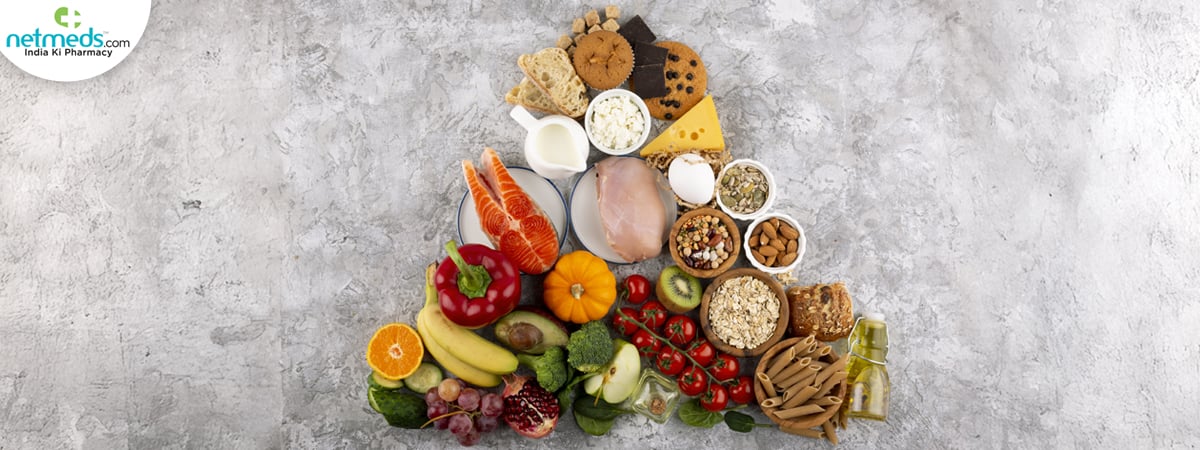
Foods to Add
High-Protein Foods such as
Eggs
Chicken
Fish
Lean meat
Paneer
Lentils and beans
Tofu and soy products
Healthy Fats
Salmon and sardines
Flaxseeds
Walnuts
Chia seeds
Calcium-Rich Foods
Milk and dairy products
Sesame seeds
Leafy greens
Whole Grains
Oats
Brown rice
Millet
Quinoa
Fruits and Vegetables
Berries
Citrus fruits
Spinach
Broccoli
Carrots
Foods to Avoid or Limit
Highly Processed Foods
These foods contribute to inflammation and poor muscle health. Avoid intake of all packaged snacks, instant noodles, and processed meats.
Simple Sugar
High sugar intake may worsen inflammation and metabolic issues.
Excess Alcohol
Alcohol consumption interferes with muscle protein synthesis and recovery.
Very Low-Calorie Diets
Calorie restriction without medical supervision can accelerate muscle loss.
Refined Carbohydrates
White bread, pastries, and sugary drinks provide dense calories with little nutritional value.
Simple Lifestyle Tips to Improve Diet Effectiveness
Good nutrition and diet play a vital role, combined with resistance training.
Add protein at every meal to meet the demands.
Stay physically active and maintain a healthy weight.
Stay well hydrated to prevent dehydration.
Get sound quality sleep for 7 to 8 hours.
Monitor vitamin D levels
Who Is at Higher Risk of Sarcopenia?
Elderly adults over 60.
Those who lead a sedentary lifestyle.
People with chronic health conditions.
Those with a poor protein diet.
Malnourished individuals.
Post-hospitalisation patients.
When to See a Doctor?
Seek medical care if you observe any unexplained symptoms, such as muscle weakness, frequent falls, sudden weight loss, or difficulty performing regular activities.
Your healthcare provider will assess muscle mass and recommend personalised nutrition or supplements if needed.
Conclusion
Diet is an important factor in preventing and managing sarcopenia. Taking adequate amounts of quality protein sources and other anti-inflammatory foods helps maintain muscle mass, endurance and overall mobility. When combined with regular exercise, a balanced diet can significantly slow muscle decline and improve quality of life.
References:
Diet for the prevention and management of sarcopenia
overlay panelRiccardo Calvani a b 1, Anna Picca et al,
https://www.sciencedirect.com/science/article/pii/S002604952300241
Nutrition and Sarcopenia—What Do We Know?
Aravinda Ganapathy 1, Jeri W Nieves 1
https://pmc.ncbi.nlm.nih.gov/articles/PMC7353446/
 Previous