


A grain that features in everyday foods across the world and is used in the form of rotis, bread, pasta, porridge, and other dishes, wheat is an Indian household staple and is consumed almost daily. However, the question remains: Is wheat good for gut health and digestion? While whole-grain wheat does provide beneficial fibre, its effects may differ based on processing methods and individual tolerance. Whole wheat can certainly be a nutritious choice because it contains vitamins, minerals, fibre, and plant compounds that are needed for digestive health. Moreover, choosing minimally processed, fibre-rich varieties over refined wheat products also supports a healthy gut microbiome.
This read delves deeper into this grain, five types of wheat for better digestion, their benefits, and important precautions to keep in mind before adding or eliminating them from your diet.
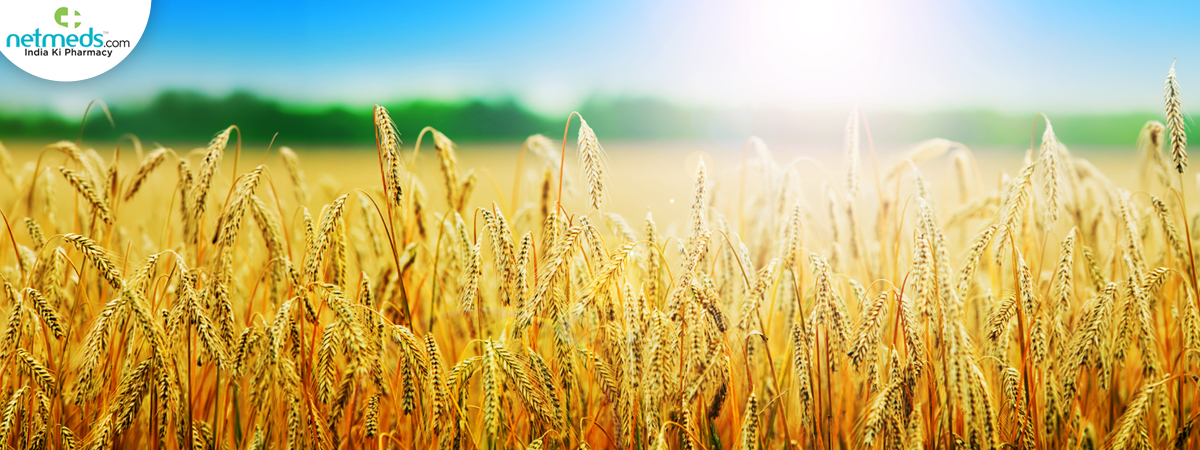
5 Types Of Wheat For A Healthier Gut And Better Digestion
Whole Wheat
Whole wheat contains all three parts of the grain, the bran, germ and endosperm. This makes it considerably richer in dietary fibre and nutrients than refined wheat. Fibre helps add bulk to stools, promotes bowel regularity and supports beneficial gut bacteria. To prepare rotis, breads and other everyday foods, it is better to use wholewheat flour, which is one of the easiest high-fibre wheat options for gut health.
Spelt
Not very common but an ancient wheat variety having a mildly nutty flavour and chewy texture, spelt is also loaded with dietary fibre, protein, vitamins and minerals. When consumed as a whole grain, Spelt can be a gut-friendly choice as it supports healthy digestion and regular bowel movements. However, it is not free from gluten; thus, for people with coeliac disease or those advised to follow a gluten-free diet, it may not be an ideal option.
Einkorn
One of the oldest known and cultivated varieties of wheat, Einkorn has ample protein, fibre and several essential nutrients to add nutritional variety to a balanced diet. However, einkorn is still a form of wheat and contains gluten, so it should be avoided by people with coeliac disease.
Emmer
Emmer is an ancient wheat variety known for its firm, chewy texture and nutty taste. One of its best health benefits is its content of complex carbohydrates, which ideally makes it a nutritious choice to support digestion and maintain overall gut health. Though not easily available, emmer can be enjoyed in salads, soups, grain bowls, and other preparations if you are planning to add it to your diet regimen.
Durum Wheat
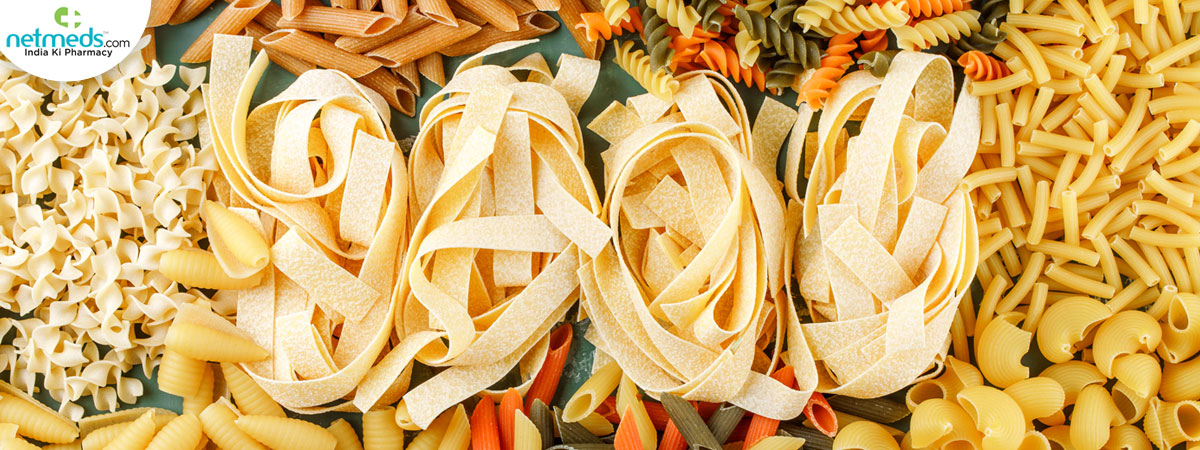
A commonly used wheat to make semolina, pasta and couscous, durum is a great wheat choice. While refined durum products should be avoided, whole-grain durum wheat can be added to your grocery list as it can provide more dietary fibre and nutrients. As part of a balanced diet, whole-grain durum products can be a useful option for people looking to include whole grains for gut health.
Ragi vs Wheat Flour: Which Is Healthier? Nutrition, Benefits and Uses
Benefits Of Eating Wheat-Based Foods
· Eating whole wheat-based foods helps the digestive system to function well, besides supporting a Healthy Gut Microbiome
· Whole wheat foods promote satiety and help you feel satisfied after meals.
· Whole wheat and grains provide several important nutrients, including B vitamins, iron, magnesium, zinc, and plant-based protein.
· Regularly including whole grains in a balanced eating pattern is associated with better cardiovascular health.
·The fibre in whole wheat helps add bulk to stools and can support regular bowel movements.
Durum Wheat/Semolina Flour: Health Benefits, Nutrition, Recipes and Contraindications
Wheat And Gut Health: Precautions To Know
Although wheat can be part of a healthy diet, it may not suit everyone. People with coeliac disease, wheat allergy, or certain gluten-related disorders may check with their health care provider. If you have digestive sensitivities and abdominal discomfort or changes in bowel movements after eating wheat, do check with your doctor before eliminating wheat totally from your diet.
If you are increasing your intake of whole wheat or other high-fibre foods, do so gradually and drink enough fluids. Also, prioritise whole-grain wheat over highly refined wheat products and include a variety of other whole grains, such as oats, barley and millets, in your diet.
Frequently Asked Questions
Is Wheat Good For Gut Health?
Whole wheat can support gut health because it provides dietary fibre that helps promote regular bowel movements and can support beneficial gut bacteria.
Which Wheat Is Best For Digestion?
Whole wheat is a practical high-fibre choice for digestion. Spelt and emmer, which are ancient wheat forms, can also provide fibre when consumed as whole grains, provided you tolerate gluten and they are easily available.
Can Wheat Cause Bloating?
Wheat may cause bloating or digestive discomfort in some people. Persistent symptoms may be associated with individual sensitivities or conditions such as coeliac disease or IBS and should be evaluated by a healthcare professional.
Can People With Gluten Intolerance Eat Wheat?
Wheat naturally contains gluten. People who have coeliac disease or have been medically advised to follow a gluten-free diet should avoid wheat and choose suitable gluten-free alternatives.
How Can I Add More Whole Wheat To My Diet?
You can include whole-wheat atta for rotis, whole-grain bread, whole-wheat pasta and other minimally processed whole-grain foods. Increase fibre gradually and drink adequate fluids.
References:
https://pmc.ncbi.nlm.nih.gov/articles/PMC4998136/
https://link.springer.com/book/10.1007/978-3-030-34163-3
https://www.agriculturaljournals.com/archives/2025.v7.i2.D.301/a-comprehensive-review-of-wheat-triticum-aestivum-l-challenges-and-strategy
https://pmc.ncbi.nlm.nih.gov/articles/PMC9998918/
https://www.agriculturaljournals.com/archives/2025.v7.i2.D.301/a-comprehensive-review-of-wheat-triticum-aestivum-l-challenges-and-strategy
https://arccjournals.com/journal/indian-journal-of-agricultural-research/A-6302
https://www.google.com/search?q=wheat+journal&rlz=1C1CHBD_enIN1227IN1227&oq=wheat+journal&gs_lcrp=EgZjaHJvbWUqBggAEEUYOzIGCAAQRRg7MggIARAAGBYYHjIICAIQABgWGB4yCAgDEAAYFhgeMggIBBAAGBYYHjIICAUQABgWGB4yCAgGEAAYFhgeMggIBxAAGBYYHjIICAgQABgWGB4yDQgJEAAYhgMYgAQYigXSAQgzNDE2ajBqN6gCALACAA&sourceid=chrome&source=chrome.ob&ie=UTF-8
 Previous


