Apple cider vinegar (ACV) shots have recently become a popular morning wellness routine, with claims ranging from better digestion and improved blood sugar management to weight loss and detoxification. But is drinking an apple cider vinegar shot on an empty stomach actually good? The answer is simple: ACV does not need to be taken on an empty stomach to offer potent health benefits. The truth is, taking concentrated or undiluted apple cider vinegar on an empty stomach may result in stomach discomfort, nausea, or acid reflux in a few people.
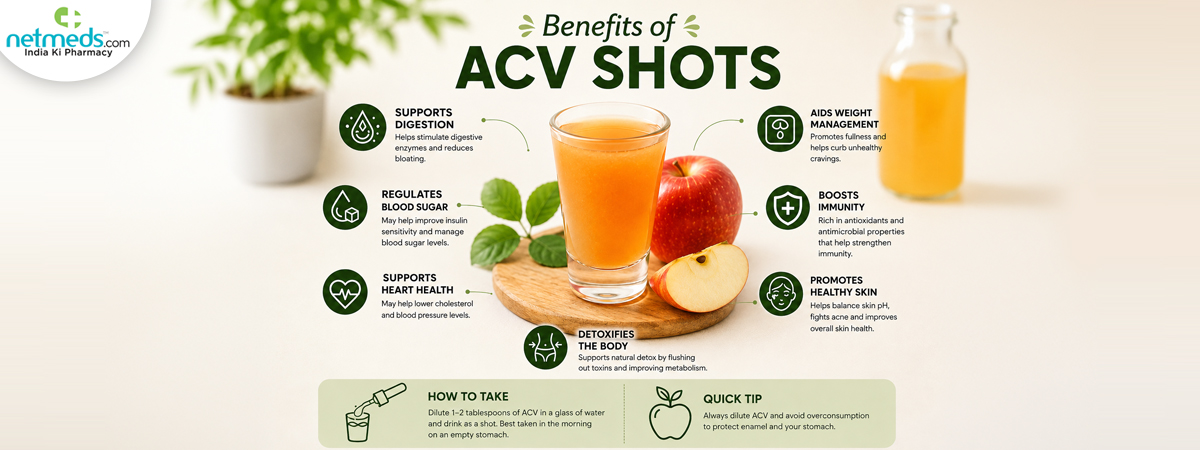
(Buy Our Best-Selling Apple Cider Vinegar Products And Supplements Today, For Enhanced Overall Wellbeing!)
Several pieces of evidence also suggest that vinegar, having ACV, may have small effects on blood sugar and other metabolic markers. However, research is not strong enough to consider ACV an ideal option for weight loss, diabetes or other medical conditions.
What Is Apple Cider Vinegar?
Apple cider vinegar is obtained by fermenting apple juice. During fermentation, natural sugars are converted into alcohol and then acetic acid, which gives vinegar its characteristic sour taste and acidity.
Acetic acid is the key active component responsible for many of the effects studied in vinegar research. However, ACV is a food rather than a medicine, and its health benefits should not be exaggerated.
Also Read: Top Five Benefits Of Apple Cider Vinegar (ACV)
Is It Safe to Take ACV Shots on an Empty Stomach?
For a few healthy adults, a small portion of diluted ACV may be well tolerated on an empty stomach; however, there is no clear evidence for taking it this way.
As ACV is highly acidic, drinking a concentrated shot on an empty stomach in the morning may irritate the intestinal lining and aggravate symptoms such as heartburn, nausea or indigestion. Undiluted vinegar can also damage tooth enamel and irritate the throat and oesophagus.
If you experience acidity, GERD, stomach irritation or nausea after having ACV shots on an empty stomach, then go for a diluted amount with or around meals, or just add vinegar as part of regular foods like salad dressings.
How Does Apple Cider Vinegar Impact Health?
Some examples of the potential benefits and available research include:
Controls Blood Sugar
Human research has shown that having ACV shots regularly has better blood sugar control in those living with type 2 diabetes.
Manages Cholesterol /Weight
A study found that combining ACV with a calorie-deficit diet has led to weight loss. In addition, it also helped reduce body mass index (BMI), hip circumference, and blood triglyceride levels, and reduced appetite while helping increase HDL or good cholesterol.
Combat Pathogens
A few clinical trials revealed that vinegar may be effective against several pathogens, including different types of bacteria, and can keep infections at bay.
What Is the Best Way to Have Apple Cider Vinegar?
If you choose to consume ACV, dilution is more important than taking it as a concentrated shot.
A safer way to consume ACV:
- Start with a small amount, such as 1 teaspoon, mixed well into a large glass or mug of water.
- If tolerated, some people may gradually increase the amount; there is no universally established standard dose.
- Avoid drinking ACV straight or taking concentrated “shots.”
- Consider consuming it with or around a meal rather than assuming it must be taken first thing in the morning.
- Another option is to use ACV in salad dressings, marinades, or other foods.
- Avoid sipping diluted vinegar slowly over a prolonged period because repeated acid exposure can affect tooth enamel.
Precautions
ACV is acidic and frequent exposure can erode tooth enamel. Always dilute it and consider rinsing your mouth with plain water afterwards. Avoid brushing your teeth immediately after consuming acidic drinks.
Drinking concentrated ACV can irritate the throat and oesophagus and may cause burning or discomfort.
If you have GERD or are prone to heartburn, ACV may make symptoms worse because of its acidity. There is also insufficient evidence that ACV treats acid reflux.
People taking certain medicines should consult their doctor before regularly consuming ACV. Potential concerns include medicines such as insulin, diuretics, and some blood-pressure medicines.
ACV may slow gastric emptying, so people with gastroparesis should discuss its use with their healthcare provider.
Who Should Avoid ACV Shots?
- Talk to a healthcare professional before regularly consuming ACV if you:
- Have diabetes or take blood-sugar-lowering medication
Have GERD or frequent heartburn
- Have low potassium levels
- Have gastroparesis or other gastric-motility problems
- Take diuretics, insulin, or certain blood-pressure medicines
- Have a sensitive stomach or develop significant digestive symptoms after consuming vinegar
Conclusion
For some healthy people, a small amount of diluted ACV may be tolerated, but there is no proven benefit to taking it specifically on an empty stomach. A concentrated or undiluted ACV shot may irritate the digestive tract and can damage tooth enamel.
If you choose to consume apple cider vinegar, dilute a small amount in plenty of water or add it to meals, such as salad dressings. Most importantly, don't rely on ACV as a shortcut for weight loss, blood sugar control or overall health. Current research shows some promising metabolic effects, but the evidence remains mixed, and ACV is not a substitute for a balanced diet or medical treatment.
References:
Apple cider vinegar for weight management in Lebanese adolescents and young adults with overweight and obesity: a randomised, double-blind, placebo-controlled study
Rony Abou-Khalil 1,✉, Jeanne Andary 2, Elissar El-Hayek 1
https://pmc.ncbi.nlm.nih.gov/articles/PMC11221284/
Safety and side effects of apple vinegar intake and its effect on metabolic parameters and body weight: a systematic review
Tine Louise Launholt 1, Christina Blanner Kristiansen 2, Peter Hjorth 3 4, 5
https://pubmed.ncbi.nlm.nih.gov/32170375/
 Previous