The Dukan diet is quite similar to the traditional Atkins diet, which has gained huge popularity for its significant results in rapid weight loss without calorie counting. This diet regimen was formulated by French physician Dr Pierre Dukan. This diet plan focuses on eating high-protein, low-carbohydrate foods, which help individuals to shed surplus kilos and maintain weight within a healthy range over the period. Most people who followed the Dukan diet have shown remarkable results and improved their overall well-being.
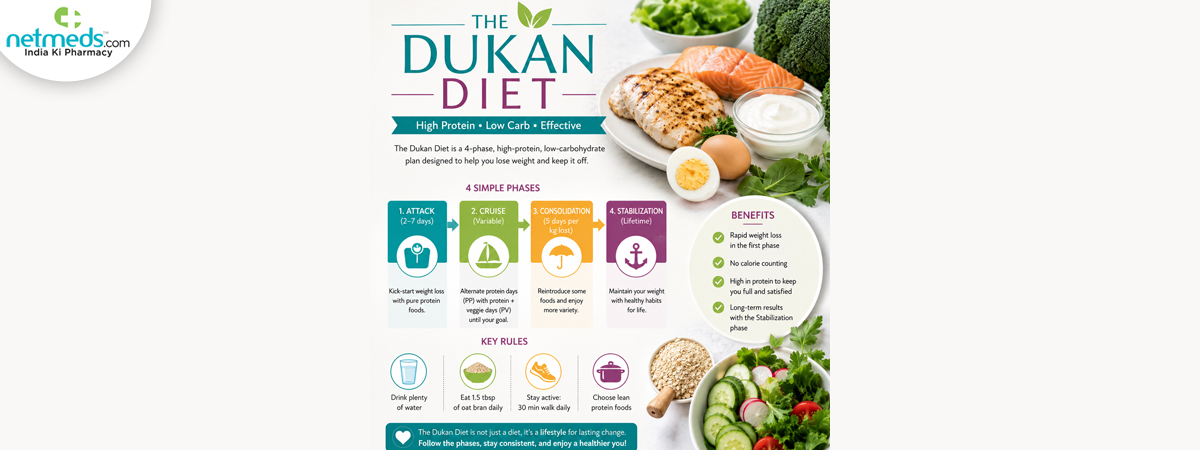
Take this two-minute read to understand its principles, how it works, its benefits and limitations.
What Is The Dukan Diet?
The Dukan Diet is a high-protein, low-fat, and low-carbohydrate diet specially designed to support rapid weight loss while preserving muscle mass. This diet pattern is even more restrictive than Atkins. No carbohydrates other than a small portion of oat bran are allowed at the beginning, and even low-carb veggies are not allowed. Moreover, fat is severely restricted, and even foods such as eggs and other meat varieties are not allowed.
Achieve Your Weight Loss Goals with Our Best-Selling Fitness Products. Shop Now!
The diet typically consists of four distinct phases that gradually transition from rapid weight loss to long-term weight maintenance.
The Four Phases of the Dukan Diet
Attack Phase
This initial phase supports weight loss by focusing mainly on lean protein foods.
Foods that are allowed include:
Skinless chicken and turkey
Fish and seafood
Low-fat dairy products
Tofu and soy products
Duration: 2–7 days, depending on weight-loss goals.
Cruise Phase
During this phase, non-starchy vegetables are added on alternating days with protein-only days. Some of the vegetables that are allowed include:
Cucumber
Lettuce
Broccoli
Zucchini
Bell peppers
Cabbage
Consolidation Phase
This phase helps prevent weight regain by gradually reintroducing healthy sources of carbohydrates and fruits.
Foods that are allowed include:
Fruits
Whole-grain bread
Cheese
Starchy foods in moderation
The length of this phase is typically five days for every pound lost.
Stabilization Phase
The final phase chiefly focuses on maintaining weight loss for life. The important rules include:
To add one protein-only day per week
Also Read: What Is the Viral Korean Diet? Weight Loss Benefits, How To Follow, and Health Risks
Include oat bran daily
Regular physical activity
Follow a balanced eating habit
How Does the Dukan Diet Work?
The Dukan Diet mainly depends on the satiating action of protein. Protein-rich foods take a longer time to digest and reduce unwanted hunger pangs while preserving muscle mass during weight loss.
Since the early phases restrict carbohydrates, the body may utilise stored glycogen and fat reserves for energy, resulting in rapid initial weight loss.
Health Benefits of the Dukan Diet
Promotes Rapid Weight Loss
One of the primary merits of the Dukan Diet is the quick weight-loss results often experienced during the Attack and Cruise phases. As this eating pattern encourages taking a high-protein diet, it may help naturally reduce overall calorie intake, promote satiety and support fat loss.
Preserves Muscle Mass
Unlike certain restrictive diets, this diet encourages adequate protein intake, which helps muscle maintenance while losing weight. Sustaining lean muscle mass is essential as it boosts metabolism, promotes stamina and physical performance.
Reduces Hunger /Cravings
Protein is known to increase feelings of fullness by influencing appetite-regulating hormones. Most people on a high protein diet report fewer food cravings, reduced snacking and better portion control.
Promotes Structured Eating Habits
The phased approach offers clear dietary guidelines, which may help those who are following this diet regimen to stay committed to their weight-loss goals.
Improves Metabolic Health
Losing even 10% of the weight through structured dietary modifications can remarkably contribute to improvements in blood pressure, waist circumference and blood sugar levels. However, these benefits largely result from weight loss itself rather than the Dukan Diet specifically.
Foods To Add
Lean Proteins
Chicken breast
Turkey
Lean meat
Fish
Shellfish
Eggs
Low-Fat Dairy
Yogurt
Cottage cheese
Skim milk
Non-Starchy Vegetables (Cruise Phase Onwards)
Broccoli
Cauliflower
Tomatoes
Mushrooms
Spinach
Green beans
Oat Bran
A staple food throughout the diet due to its fiber content.
Also Read: 7-Day Indian Vegetarian Diet Plan For Sustainable Weight Loss Goals
Foods to Avoid
The Dukan Diet restricts several foods, especially during the initial phases:
Sugar and sweets
White bread
Rice
Pasta
Potatoes
Processed snacks
Sugary beverages
Alcohol
High-fat foods
How to Follow the Dukan Diet Safely
Stay Hydrated
A high-protein diet increases the body's need for fluids. It is essential to maintain hydration, drink at least 2 litres of water daily and increase your fluid intake during workouts.
Regular Physical Activity
The Dukan Diet recommended regular physical activity such as walking, cycling, swimming and strength training.
Consume Oat Bran Daily
Oat bran is a complex source of carbohydrates that provides fiber, which may help reduce constipation and support digestive health.
Monitor Nutritional Intake
Ensure you have a variety of nutrient-rich foods during later phases to minimise nutritional deficiencies.
Side Effects
The early phases contain limited fiber due to restricted fruits, vegetables, and whole grains and may result in digestive problems such as bloating, irregular bowel movements and constipation.
Restricting major food groups may increase the risk of poor intake of key nutrients such as vitamin C, potassium, magnesium and dietary fiber.
Cutting down on carbohydrates may lead to tiredness, weakness and reduced exercise performance.
Some people may be extremely fatigued and observe symptoms of brain fog, particularly during the initial adaptation period.
High protein intake and reduced carbohydrate consumption can trigger ketosis, which may cause unpleasant breath odour.
People with existing kidney disease should consult a healthcare professional before following a high-protein diet.
Many individuals find the restrictive nature of the diet challenging to sustain over time, increasing the likelihood of weight regain.
Who Should Avoid the Dukan Diet?
The Dukan Diet may not be suitable for:
Pregnant or breastfeeding women
Individuals with kidney disease
People with liver disorders
Those with eating disorders
Individuals requiring highly active athletic performance
People with specific medical conditions requiring balanced nutrition
Consult a healthcare provider before beginning any restrictive weight-loss plan.
Is the Dukan Diet Effective for Weight Loss?
Evidence strongly suggests that high-protein diets can support short-term weight loss by increasing satiety and reducing calorie intake. However, long-term success depends on sustainable eating habits, physical activity, and overall lifestyle changes.
The Dukan Diet may help some individuals lose weight initially, but maintaining results often requires transitioning to a balanced and varied diet.
Conclusion
The Dukan Diet is a structured, high-protein weight-loss plan designed to promote rapid fat loss through four progressive phases. Its emphasis on protein-rich foods may reduce hunger, preserve muscle mass, and encourage short-term weight loss. However, the restrictive nature of the diet can lead to nutrient deficiencies, digestive issues, and difficulties with long-term adherence. For sustainable health and weight management, pay attention to a balanced eating regimen rich in whole grains, high-quality proteins, fruits, vegetables and healthy fats, while maintaining regular physical activity.
References:
https://cyberleninka.ru/article/n/the-dukan-diet-scientific-rationale-proven-health-benefits-advantages-and-disadvantages
 Previous