


Summer can be fun for kids, vacations, outdoor play, and endless energy, but rising temperatures can also pose serious health risks. Children are more vulnerable to heat-related illnesses like dehydration and heatstroke because their bodies do not regulate temperature as efficiently as adults.
If you have ever noticed your child becoming unusually tired, cranky, or flushed after playing in the sun, it could be a sign that their body is struggling to cope with the heat. The good news is that with a few simple precautions, you can keep your child safe, cool, and comfortable throughout the summer months.
Also Read: Sleep And Mood In Kids: Why Rest Is Key For A Calm and Composed Mind?
Let us understand why heat protection is crucial and the best ways to prevent heatstroke in children.

Why Are Kids More Prone To Heatstroke?
Children heat up faster than adults and may not always recognize or communicate when they are too hot. This increases their risk of heat exhaustion and heatstroke.
Factors that make kids more vulnerable include:
Higher metabolic rate
Less efficient sweating mechanism
Increased outdoor activity
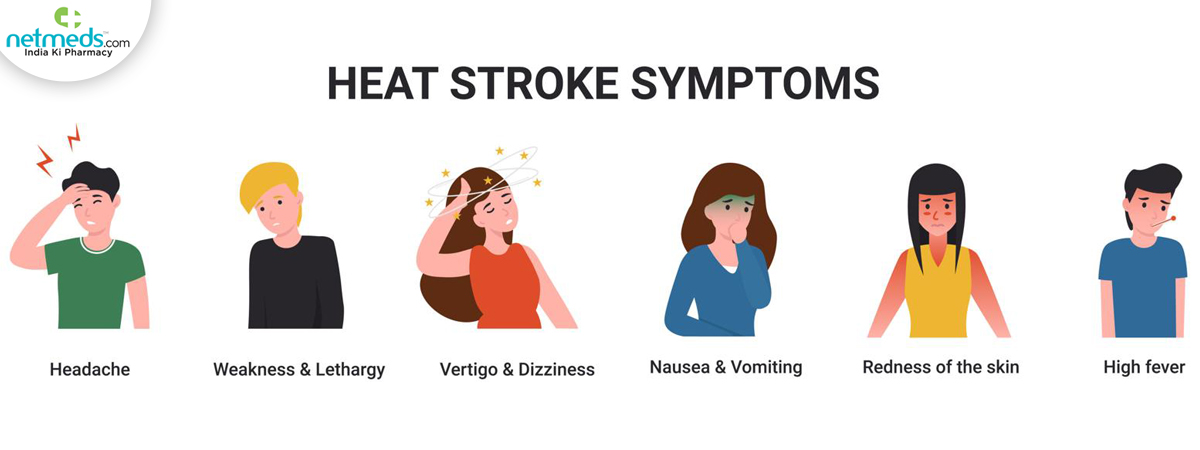
What Is Heatstroke And Why Is It Dangerous?
Heatstroke is a serious condition that occurs when the body temperature rises above normal levels and cannot cool down effectively. It requires immediate attention.
Common symptoms include:
High body temperature
Dizziness or fainting
Rapid heartbeat
Confusion or irritability
If untreated, it can lead to severe complications.

5 Essential Tips To Protect Kids From Heatstroke
Keep Your Child Well Hydrated
Hydration is the first line of defense against heatstroke. Encourage your child to drink water frequently, even if they do not feel thirsty.
What helps?
Offer water every 30–60 minutes
Include hydrating foods like watermelon and cucumber
Avoid sugary or caffeinated drinks
Dress Your Child In Light And Breathable Clothing
Clothing plays a big role in regulating body temperature.
Best choices:
Loose-fitting cotton clothes
Light-colored outfits
Hats or caps for sun protection
These help keep the body cool and reduce heat absorption.
Avoid Peak Sun Hours
Clothing plays a big role in regulating body temperature.
Best choices:
Loose-fitting cotton clothes
Light-colored outfits
Hats or caps for sun protection
These help keep the body cool and reduce heat absorption.
Avoid Peak Sun Hours
Protect your child’s skin and body from overheating.
Tips:
Apply child-safe sunscreen
Use umbrellas or caps
Give cool baths or sponge wipes
Use fans or cooling towels
Recognize Early Signs Of Heat Exhaustion
Early detection can prevent serious complications.
Watch out for:
Excessive sweating
Fatigue or weakness
Headache
Irritability
Act quickly by moving your child to a cool place and offering fluids.
Additional Tips To Keep Kids Cool
Encourage water play under supervision
Keep rooms well-ventilated
Offer fresh fruit juices and coconut water
Ensure proper rest and sleep
Who Needs Extra Care?
Some children are more sensitive to heat and need additional attention:
Infants and toddlers
Kids with medical conditions
Children involved in sports
Overweight children
Common Mistakes Parents Should Avoid
Sending kids out without water
Overdressing in hot weather
Ignoring early symptoms of heat exhaustion
Allowing prolonged sun exposure
Relying only on fans without hydration
When Should You See A Doctor?
Seek immediate medical help if your child shows:
Confusion or fainting
Persistent vomiting
No sweating despite heat
These could be signs of heatstroke and require urgent care.
Conclusion
Summer safety for kids goes beyond sunscreen and hats, it is about understanding how heat affects their bodies and taking proactive steps to protect them. By ensuring proper hydration, choosing the right clothing, avoiding peak sun hours, and recognizing early warning signs, you can significantly reduce the risk of heatstroke.
Small daily habits can make a big difference. With the right care, your child can enjoy the summer safely, stay active, and make the most of the season without health risks.
Because when kids stay cool, they stay happy and healthy.
References:
- https://www.cdc.gov/disasters/extremeheat/children.html
- https://www.who.int/news-room/fact-sheets/detail/climate-change-heat-and-health
- https://www.aap.org
 Previous