


In many tropical and subtropical regions of the world, a variety of long climbing vines with hanging pods is often found curling around trees, fences, and shrubs. Velvet beans, scientifically known as Mucuna pruriens, are powerful Ayurvedic medicinal legumes known for their impressive health benefits and brain-supporting properties. Found across India, Africa, Southeast Asia, and South America, this tropical superfood has been around for centuries to support energy, vitality, mood balance, and overall wellness.
Also Read: Protein-Rich Foods That Help Build Muscle Mass
What Are Velvet Beans?
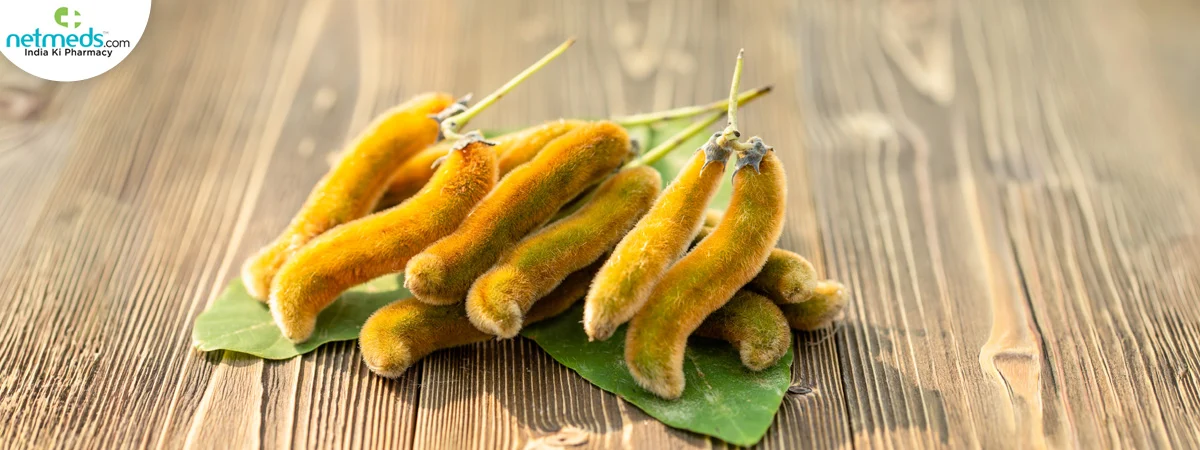
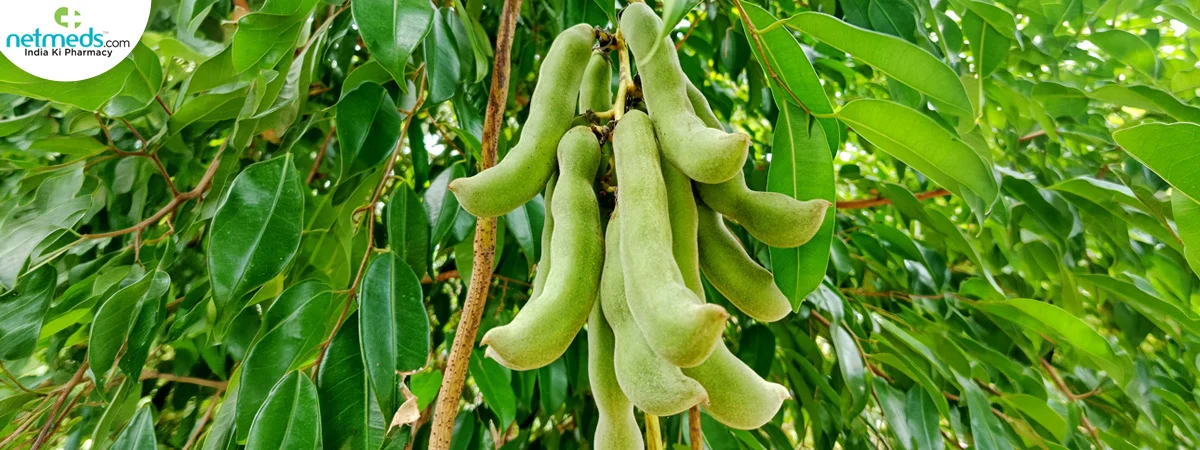
Slender vines with seed pods covered with tiny orange or brown fuzzy hair that can trigger intense skin itching and irritation when touched. From inside the pods of velvet beans are shiny black, brown, or mottled beans rich in bioactive compounds. The most notable compound is L-DOPA (levodopa), a naturally occurring amino acid precursor involved in dopamine production in the brain. Because of this, velvet beans have gained recognition in neurological research and natural wellness communities.
Also Read: 5 Marvelous Plant -Based Protein Sources For Overall Health- Infographic
Other Common Names For Velvet Beans
· Cowhage
· Cowitch
· Monkey tamarind
· Mucuna pruriens
· Kaunch beej (Ayurveda)
What Are Velvet Bean Nutrition Facts?
Velvet beans contain several beneficial nutrients, including:
· Plant-based protein
· Dietary fibre
· Iron
· Magnesium
· Potassium
· Antioxidants
· Essential amino acids
· Natural L-DOPA compounds
(Lacking Some Essential Proteins In Your Diet? Nourish Yourself From Our Wide Range Of Protein Supplements!)
What Health Benefits Velvet Beans Offer?
Since ancient times (in some tropical farming communities) velvet beans were traditionally used as a survival food during crop shortages because of their nutritional density and high protein content, and offering the following health benefits:
Natural Dopamine Support
Velvet beans are best known for their naturally high L-DOPA content. Inside the body, L-DOPA converts into dopamine, an important neurotransmitter linked to mood balance, focus, concentration, and emotional well-being.
Potential Support For Nervous System Health
Researchers continue to study velvet beans for their potential neurological benefits. Traditional systems like Ayurveda have historically used the plant for symptoms such as stiffness, trembling, and movement challenges. Because velvet beans naturally contain levodopa, researchers have explored their relationship to dopamine-related neurological conditions. However, medical supervision remains essential for anyone managing neurological disorders or taking prescription medications.
Male Fertility And Vitality Support
This Ayurvedic medicine has long considered velvet beans a rejuvenating herb that may support:
· Energy levels
· Vitality
· Physical stamina
Rich Source Of Plant Protein
Velvet beans contain antioxidants that may help protect cells from oxidative stress caused by environmental and metabolic factors. Their protein and fibre content also make them valuable in traditional plant-based diets.
Also Read: 5 Super-Rich Antioxidant Foods You Should Include In Your Daily Diet - Infographic
Are Velvet Beans Safe To Eat?
While velvet beans offer impressive nutritional and medicinal value, they must be prepared properly before consumption. Careful soaking and cooking are essential to reduce naturally occurring compounds that can cause irritation or digestive discomfort. Velvet beans should never be eaten raw. Raw pods and uncooked beans contain irritating compounds, alkaloids, and anti-nutrients that may cause:
· Nausea
· Vomiting
· Digestive discomfort
· Skin irritation
· Toxic reactions if improperly prepared
Also Read: Kaunch Beej: Health Benefits, Nutrition, Uses In Ayurveda, Recipes, Side Effects
What Are Velvet Bean Supplement Precautions?
Because velvet beans naturally contain L-DOPA, supplements made from Mucuna pruriens may interact with many medications. Anyone considering velvet bean powders, extracts, or capsules should consult a qualified healthcare professional before regular use.
How To Prepare Velvet Beans Safely?
To reduce toxicity and irritation:
· Soak beans overnight
· Boil thoroughly until soft
· Avoid undercooking
· Use moderate portions initially
Also Read: 5 Splendid Immune Boosting Foods That Bolster Your Resistance - Infographic
Not a common everyday food per se, Velvet beans, aka Mucuna pruriens, are gaining popularity as a powerful Ayurvedic superfood, a plant-based protein, antioxidants, fibre, and natural L-DOPA compounds. If you enjoy exploring healthy tropical foods with ancient healing ingredients, let’s try this nutritious velvet bean recipe.
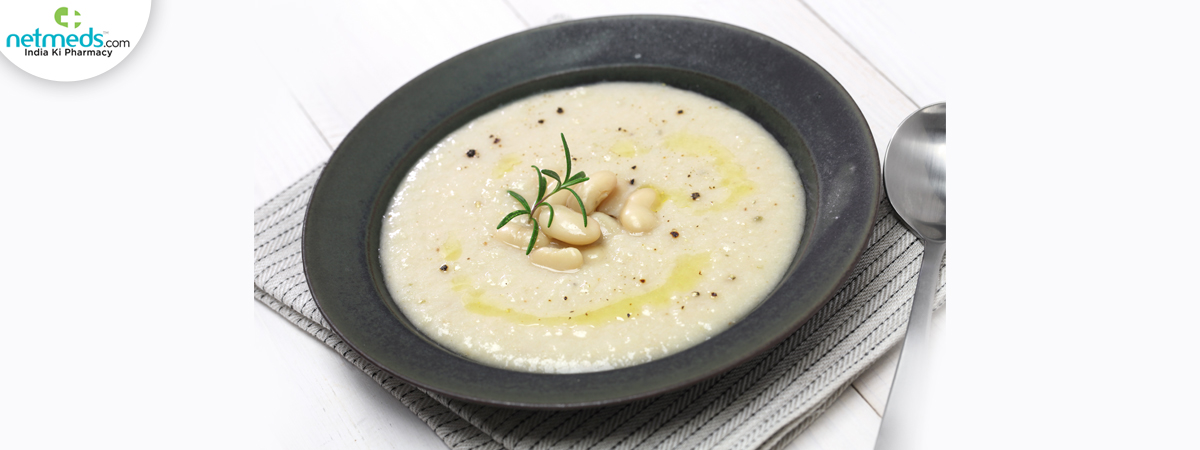
Velvet Bean Coconut Chutney
Ingredients
· 1 cup boiled velvet beans
· ½ cup fresh grated coconut
· 1 green chili
· 6 curry leaves
· 1 small piece of tamarind
· ½ tsp mustard seeds
· 1 pinch asafoetida
· 1 tsp coconut oil
· Salt to taste
· 2 tbsp water
Method
· Soak velvet beans overnight and boil until soft
· Allow the cooked beans to cool completely
· Blend the beans with coconut, chili, curry leaves, tamarind, and salt
· Heat coconut oil and crackle mustard seeds with asafoetida
· Pour the tempering and mix gently
· Serve fresh with idlis, dosa, or rice
Frequently Asked Questions
Are Velvet Beans Good For Brain Health?
Yes, velvet beans support brain health because they naturally contain L-DOPA, a compound involved in dopamine production, which plays an important role in mood, focus, motivation, memory, and nervous system function.
Are Velvet Beans Safe To Eat?
Yes, velvet beans can be safe to eat when properly soaked, boiled, and cooked. But raw velvet beans contain natural compounds and anti-nutrients that may cause nausea, digestive discomfort, or skin allergy.
What Health Benefits Does Mucuna Pruriens Provide?
Mucuna pruriens may help support dopamine levels, brain function, emotional well-being, energy, and male fertility. The beans are also rich in plant-based protein, fibre, iron, magnesium, and other important nutrients.
References:
https://www.sciencedirect.com/science/article/pii/S2666154323004283
https://pubs.acs.org/doi/10.1021/jf950776x
 Previous


