In today's hustle culture, getting by on just four or five hours of sleep has often been seen as a badge of honour. But a growing wellness trend called Sleepmaxxing is challenging that mindset. Instead of glorifying sleepless nights, sleepmaxxing encourages people to optimize both the quantity and quality of their sleep to unlock better physical health, sharper mental performance, and improved emotional well-being.
Unlike passing social media fads, the concept of sleepmaxxing is rooted in decades of sleep science. Research consistently shows that quality sleep is as important as eating a balanced diet and exercising regularly. If you have ever wondered whether improving your sleep can truly transform your health, the answer is a resounding yes.
Also Read: How To Build A Perfect Sleep Schedule? The Science-Backed Guide
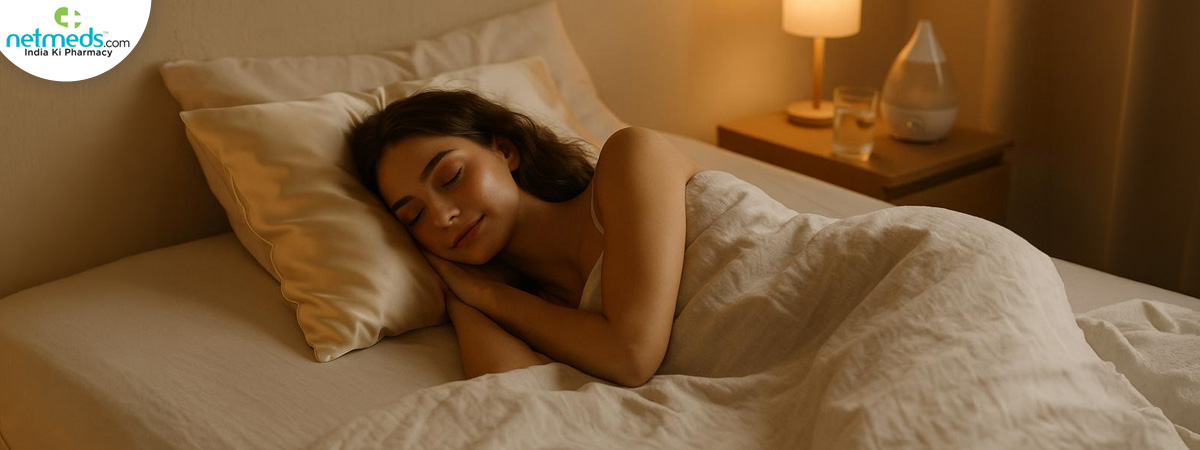
What Is Sleepmaxxing?
Sleepmaxxing refers to intentionally improving your sleep through evidence-based habits, environmental changes, and lifestyle adjustments. Rather than simply spending more hours in bed, the focus is on achieving restorative sleep by supporting y
our body's natural circadian rhythm.
Sleepmaxxing may include:
Following a consistent sleep schedule
Reducing screen exposure before bedtime
Optimizing bedroom temperature
Limiting caffeine and alcohol late in the day
Practicing relaxation techniques
Getting adequate daylight exposure
These small changes can collectively lead to deeper, more restorative sleep.
Also Read: Good Night, Sweet Dreams! Ideal Positions To Sleep In For Better Health

How Better Sleep Transforms Your Health?
Improves Brain Function
During sleep, your brain consolidates memories, processes information, and removes waste products that accumulate throughout the day. Better sleep enhances:
Memory retention
Concentration
Learning ability
Decision-making
Creativity
People who consistently sleep well often experience greater productivity and mental clarity.
Supports Heart Health
Sleep allows your heart and blood vessels to recover. Poor sleep has been associated with an increased risk of:
High blood pressure
Stroke
Irregular heartbeat
Maintaining healthy sleep habits can contribute to long-term cardiovascular health.
Strengthens Immunity
While you sleep, your immune system produces protective proteins called cytokines that help fight infections and inflammation. Poor sleep may weaken immune defenses, making you more susceptible to illnesses.
Helps Maintain a Healthy Weight
Sleep influences the hormones ghrelin and leptin, which regulate hunger and fullness. Sleep deprivation often increases cravings for sugary and high-calorie foods, making weight management more challenging.
Enhances Mental Health
Quality sleep supports emotional resilience and helps regulate mood. Chronic sleep deprivation has been linked with increased stress, anxiety, irritability, and depression.
Promotes Healthy Skin
Beauty sleep is more than just a saying. During deep sleep, skin repairs itself by producing collagen and improving blood circulation. Good sleep can:
Reduce dullness
Improve skin hydration
Minimize under-eye puffiness

Signs You May Not Be Getting Quality Sleep
You may benefit from sleepmaxxing if you experience:
Waking up feeling tired
Frequent nighttime awakenings
Difficulty concentrating
Low energy throughout the day
Increased cravings
Frequent headaches
Easy Sleepmaxxing Tips That Actually Work
Stick to a Sleep Schedule
Go to bed and wake up at the same time every day, even on weekends, to help regulate your internal body clock.
Limit Blue Light Exposure
Reduce exposure to smartphones, tablets, and televisions for at least one hour before bedtime, as blue light can interfere with melatonin production.
Keep Your Bedroom Sleep-Friendly
Maintain a cool, dark, and quiet sleeping environment. Comfortable bedding and minimal noise can improve sleep quality.
Watch Your Caffeine Intake
Avoid coffee, tea, energy drinks, and caffeinated soft drinks at least six hours before bedtime.
Exercise Regularly
Moderate physical activity during the day can help you fall asleep faster and enjoy deeper sleep. However, avoid intense workouts close to bedtime.
Practice Relaxation Techniques
Deep breathing, meditation, reading, or gentle stretching can help calm your mind before sleep.
Get Morning Sunlight
Natural light exposure early in the day helps regulate your circadian rhythm and supports better nighttime sleep.
Who Can Benefit From Sleepmaxxing?
Sleep optimization can be particularly helpful for:
Students
Working professionals
Parents
Older adults
Athletes
Individuals with demanding work schedules
Anyone looking to improve overall health, productivity, and energy levels can benefit from better sleep habits.
Conclusion
Sleepmaxxing isn't about chasing perfection or spending endless hours in bed, it is about giving your body the restorative rest it needs to function at its best. By prioritizing healthy sleep habits, you can improve brain function, strengthen immunity, support heart health, maintain a healthy weight, and even enjoy healthier-looking skin.
Small, consistent changes to your nightly routine can make a noticeable difference over time. After all, one of the most powerful tools for better health isn't found in a supplement or gadget, it is a good night's sleep.
References:
1. Centers for Disease Control and Prevention (CDC). Sleep and Sleep Disorders.
2. American Academy of Sleep Medicine (AASM). Healthy Sleep Guidelines.
3. National Heart, Lung, and Blood Institute (NHLBI). Why Sleep Is Important.
4. National Institutes of Health (NIH). Sleep and Overall Health.
5. Sleep Foundation. Healthy Sleep Habits.
Meta Description: Discover what sleepmaxxing is, its science-backed benefits, practical tips, and how optimizing your sleep can improve brain function, immunity, mood, metabolism, and overall health.
 Previous