


Sleep is one of the most important building blocks of a child’s overall health, yet it is often underestimated. Proper sleep, like nutrition and physical activity, is necessary for a kid’s mood, growth, mental well-being, and learning success. Poor sleep has been shown to result in irritability, anxiety, learning problems, and emotional breakdowns, whereas proper rest keeps children calm, concentrated, and emotionally steady.
Also Read: Ayurveda For Sleep Apnea: Natural Remedies To Cease Snoring And Ensure A Deep Slumber
In this post, we will discuss the link between sleep and mood in children, why sleep helps maintain a good mood, and some easy tips to get your child to sleep better.

What Is The Relation Between Sleep and Mood?
When kids do not sleep well, their brains do not regulate their emotions well. The parts of the brain that regulate mood, like the amygdala and prefrontal cortex, get overactive, producing additional frustration and stress.
Irritability and tantrums: Sleep deprivation leads to impatience and children are sure to have meltdowns.
Decreased capacity to focus: Sleep enhances memory and learning, and thus poor sleep negatively impacts concentration.
Emotional stability: Less-rested children become anxious and sad.
Stress resilience: Rested kids are stress-free, but stressed-out kids are the ones who are tired.
Also Read: The Science of Sleep: Why Is It Important? Stages. Difference Between REM and NREM
How Much Sleep Do Kids Need?
Sleep needs for kids differ by age:
Toddlers (1–2 years): 11–14 hours (including naps)
Preschoolers (3–5 years): 10–13 hours (including naps)
School-age children (6–12 years): 9–12 hours
Teenagers (13–18 years): 8–10 hours
Achieving these sleeping needs enables children to be emotionally healthy and physically sound.
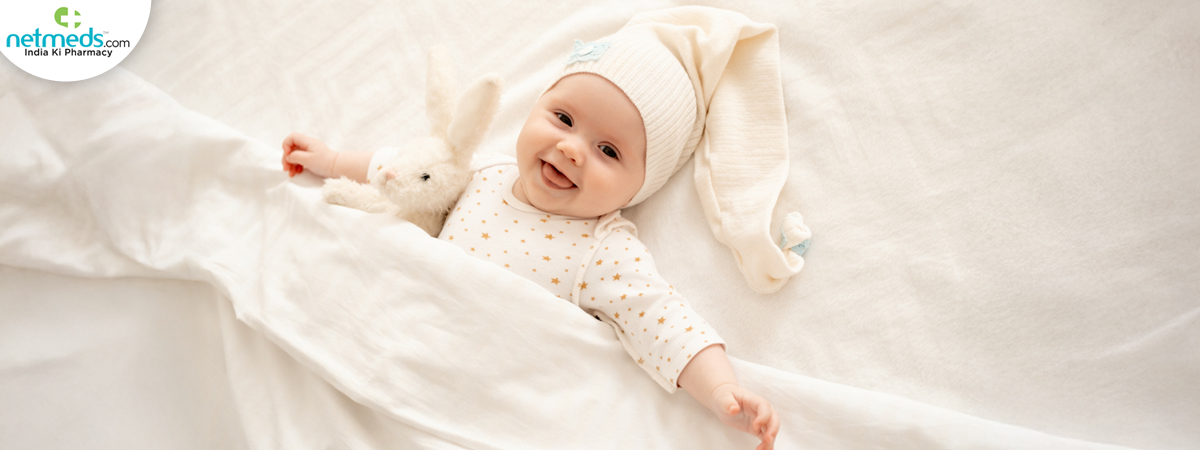
Why Rest Is Important For A Calm And Collected Mind?
Emotional Regulation: Sleep enhances the emotional regulation of the brain, rendering an individual less irritable and less prone to mood swings.
Healthy Mental Health: Studies have proven that children with regular sleeping habits are less susceptible to anxiety and depression.
Increased Learning and Concentration: Sleep facilitates memory consolidation, a critical process for learning.
Social Balance of Conduct: Rested children have improved control of impulses and less aggressive conduct.
Positive Interpersonal Relationships: Rested children are cooperative, supportive, and positive with others.
Best Lifestyle Tips To Promote Children's Sleep
Establish regular bedtime: Maintain the same sleeping and waking schedule each day, including weekends.
Create a bedtime routine: Reading or listening to soothing music signals bedtime.
Restrict screen time: Avoid technology at least one hour before bedtime to minimise overstimulation.
Set up a comfort setting: Quiet, dark, and cool room induces sleep.
Help them relax: Deep breathing, reading a book, or warm baths can help relax children.
Frequently Asked Questions
How much impact does poor sleep have on my child's mood?
Delayed sleep can lead to irritability, tantrums, lack of attention span, and emotional lability. In the long run, it can also predispose the child to anxiety and depression.
What are the signs of my child sleeping too little?
Signs include frequent mood swings, irritability or difficulty awakening, poor school concentration, hyperactivity, and intense outbursts of emotion.
Can naps during the day replace nighttime sleep?
Naps may be helpful for younger children, but they can never substitute for the restorative nature of deep nighttime sleep. Quality nighttime sleep is needed for healthy brain development.
How do I make bedtime less difficult for my child?
Create a consistent bedtime routine, limit stimulating activities before bedtime, and make the sleeping environment quiet with few distractions. Consistency is key.
Do childhood sleep disorders need a medical solution?
If your child has persistent insomnia, sleep apnea, or extreme fatigue regardless of enough sleeping time, it is best to consult with a paediatrician or a sleep specialist.
Conclusion
Sleep is the strongest weapon to develop children's mental well-being and emotional equilibrium. A sound and calm mind starts with good sleep, and therefore, children can cope with daily problems with hope, strength, and concentration. By taking the lead in healthy sleeping habits, parents can create the foundation for their child's improved mood and healthier lifestyle.
References:
- https://pmc.ncbi.nlm.nih.gov/articles/PMC9685105/
- https://pmc.ncbi.nlm.nih.gov/articles/PMC5931738/
- https://www.sciencedirect.com/science/article/pii/S1878929322000731
 Previous