


Shorter days, cold temperatures, and reduced physical activity; during winter, our body behaves differently, perhaps needing that extra care to stay energetic, warm, and healthy. While people should eat carefully at this time, on the contrary, in cold months, people often crave heavier, fried, and processed foods, which increases digestive discomfort and fatigue. With less movement, heavier foods slow digestion and weaken immunity. You may have heard a lot about alkaline and acidic foods and why you should eat the former and skip the latter in colder months. In this article, let us understand what exactly it means to keep the balance between these two food types, what we should eat, and how to keep ourselves in good health.

Also Read: Alkaline Diet: 5 Incredible Alkaline Rich Foods That Promote Overall Health
Acidic Versus Alkaline Foods
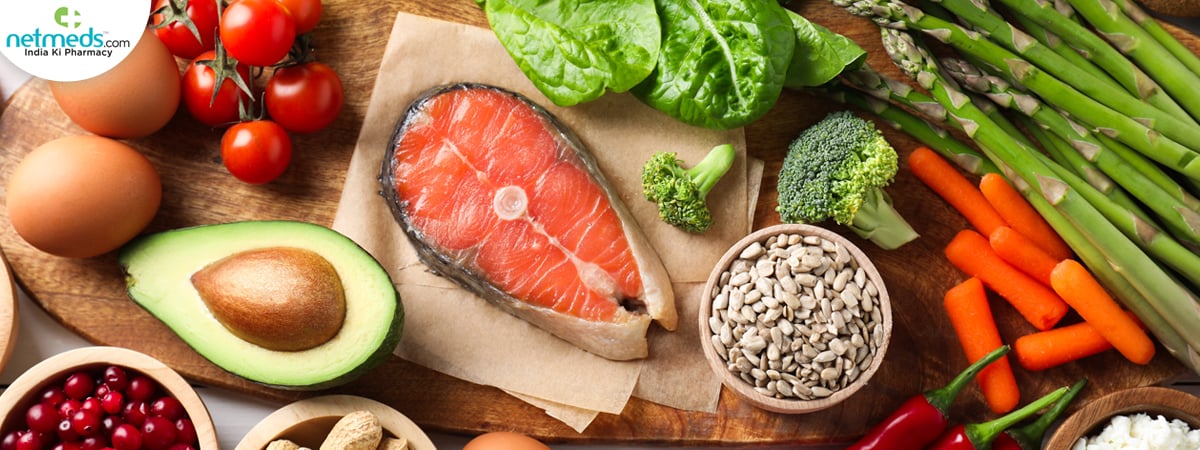
Acidic foods are those that produce acidic by-products during digestion. Processed foods, sugary snacks, fried items, and refined grains are some examples. Alkaline foods are mainly fruits, vegetables, nuts, seeds, and legumes that provide minerals and support digestion. Although the body can very well regulate its pH, eating more alkaline-forming foods and limiting highly acidic ones can be of great help. A balanced intake of both supports overall health, especially during winter when the body needs extra nourishment.
(Shop From Our Wide Range Of Vitamins And Minerals To Support Overall Health)
Why Is Proper Nutrition Essential During Winter?
A winter diet has more requisites than other seasons. By and large, it leans more toward alkaline foods while limiting highly acidic, processed options. By choosing warm, nourishing, plant-based foods alongside adequate protein and healthy fats, overall wellness is better throughout the colder months. While alkaline-forming foods support immunity and gut health and are particularly important in winter, the goal is not to eliminate acidic foods, but to create balance.
Also Read: Is Your Body Too Acidic? 10 Signs to Watch Out For and Tips to Balance pH Levels
5 Reasons To Eat Less Acidic Foods
Improved Digestion
Highly acidic foods, especially processed and fried items, can slow digestion and cause discomfort such as acidity or bloating. Reducing them helps the digestive system work more smoothly.
Reduced Inflammation
Excessive intake of acidic foods like sugary snacks and refined grains may increase inflammation in the body, which can contribute to fatigue and illnesses during winter.
Stable Energy Levels
Acidic, sugar-rich foods often cause quick energy spikes followed by crashes. Eating less of them helps maintain steady energy throughout the day.
Good Gut Health
Too many acidic foods can disrupt the balance of good bacteria in the gut. Limiting them supports better nutrient absorption and overall digestive health.
Healthier Food Choices
Reducing acidic foods naturally lowers intake of salt, preservatives, and artificial additives, promoting a cleaner and more nourishing winter diet.
5 Reasons To Eat Alkaline Foods
Improved Immunity
Alkaline-forming foods like fruits and vegetables are rich in vitamins, minerals, and antioxidants that help strengthen the immune system during cold weather.
Better Gut Health
These foods contain natural fibre that aids digestion, prevents constipation, and keeps the gut healthy in winter.
Added Hydration
Many alkaline foods have high water content and important minerals, helping the body stay hydrated even when thirst decreases in cold weather.
Less Inflammation
Plant-based alkaline foods help calm inflammation in the body, supporting joint comfort, skin health, and overall wellness.
Long-Term Health
Regular consumption of alkaline foods supports heart health, balanced metabolism, and sustained energy, making them essential for long-term well-being.
What Is A Win-Win Situation?
An ideal winter diet should have a higher proportion of alkaline-forming foods while still allowing moderate amounts of acidic foods for nutritional balance. A simple guideline is about 70% alkaline foods and 30% acidic foods. Alkaline foods include vegetables, fruits, lentils, beans, nuts, seeds, and whole grains, mainly for essential micronutrients and fibre needed at this time. Acidic foods such as dairy, eggs, grains, and lean meats can be added, but in reasonable portions, because they supply protein, calcium, and iron.
Maintain A Balance
Balance, not restriction of any type, is what keeps the body healthy and energized all winter long. The key is to avoid excess processed and sugary foods, which are highly acidic and low in nutrients. Follow these tips to focus on safe, balanced winter nutrition with more alkaline and less acidic intake:
Prioritize Home-Cooked Foods
In winter, homemade soups, stews, dals, and vegetable-based dishes provide warmth, nourishment, and easier digestion. Eating home-cooked meals allows better control over ingredients and reduces intake of highly acidic, processed foods.
Increase Vegetable Intake
Vegetables are naturally alkaline. Including a small portion in every breakfast, lunch, and dinner can improve overall well-being. Winter-friendly vegetables like carrots, spinach, broccoli, cauliflower, and beets are especially beneficial when lightly cooked. Adding vegetables to curries, stir-fries, soups, and salads balances acidic foods.
Balance Acidic Foods Instead of Eliminating Them
Pair acidic foods with alkaline foods to reduce digestive strain. For example, eat grains with vegetables or protein with salads. Avoid excess fried, sugary, or heavily processed foods, which are more harmful. This balanced approach ensures the body gets complete nutrition while supporting energy levels.
Add Warm Fluids
Warm water, herbal teas, and broths are excellent choices that also support an alkaline-leaning diet. Proper hydration helps prevent constipation, dry skin, and fatigue. Adding lemon to warm water or consuming soups with vegetables can further support overall balance in the body.
Practice Meal Timing
Skipping meals in winter can lead to low energy and cravings for unhealthy foods. Balanced, timely meals that include alkaline-rich foods help stabilize blood sugar, improve digestion, and support overall physical and mental well-being.
References:
The Alkaline Diet: Is There Evidence That an Alkaline pH Diet Benefits Health?
Gerry K. Schwalfenberg
https://www.ncbi.nlm.nih.gov/pmc/articles/PMC3195546/
https://akjournals.com/view/journals/066/51/3/article-p326.xml
 Previous


