Asthma is a chronic lung disorder that can make breathing difficult. Millions of people suffer from asthma throughout the world, including about a tenth of those who live in India. There are several home remedies as well as breathing exercises that can lower the occurrence of asthma attacks and alleviate the symptoms. Also Read: Kitchen Cures To Control Asthmatic Conditions
Especially in current times of COVID-19 pandemic, people afflicted with severe respiratory disorders must take extra care of their lungs, to avert any instances of breathing distress or grave bacterial/viral infections.
Pulmonary specialists recommend breathing out old, stale air and filling in your lungs with fresh air, by means of some simple exercises. This is useful for people suffering from chronic lung diseases like asthma and COPD, as aerobic exercise improves your heart function and strengthens the muscles. This can also promote lung efficiency.
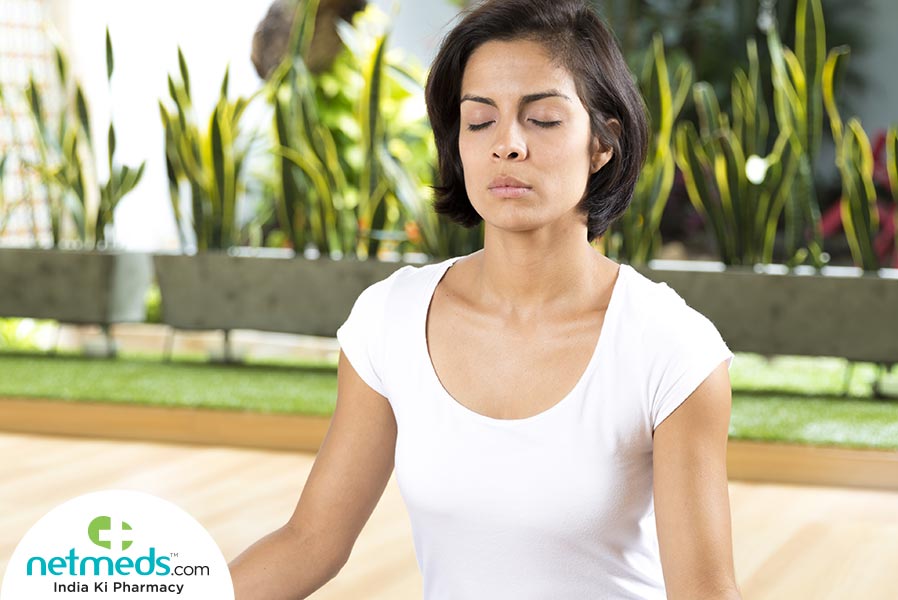
How Breathing Exercises Help:
Breathing exercises help in managing asthma efficiently. Asthma patients have a shorter breathing cycle than healthy people. Moreover, they also have a habit of breathing through the mouth. This exposes their lungs to drier and cooler air at a faster rate, which acts as an asthma trigger. Also Read: World Asthma Day 2020: Learn About The Causes, Types, Symptoms, Diagnosis, Treatment And Prevention
Breathing exercises for asthma promotes:
Shallow breathing at a slower rate
Lowers the symptoms of asthma
Improves the quality of life
Proven Techniques To Enhance Respiratory Processes:
Pursed Lip Breathing:
This exercise reduces the count of breaths you take and helps open up your airways for long. It allows more air to flow, in and out of your lungs enabling the person to be physically active.
How To Do:
Just breathe in through your nose and breathe out at least twice as long through your mouth, with pursed lips.
Belly Breathing Or Diaphragmatic Breathing:
One of the simplest breathing techniques that promote the distribution of air into your lungs. This helps lower inflammation in the airways of the body, in addition to building strength and stamina.
How To Do:
Start by breathing in through your nose. Observe how your stomach fills up with the air. Breathe out through your mouth at least 2-3 times as long as your inhale. Ensure to relax your neck and shoulders as you retrain your diaphragm to take on the work of easing to fill and empty your lungs.
Nasal Breathing:
Although this refers to the routine body task of respiration, to ensure intake of oxygen and release of carbon dioxide, so as to rid the system of toxic gases, focusing on the breath and performing the technique with more force helps alleviate wheezing. Asthma patients are advised to breathe via the nose as it moistens and warms the air and should avoid taking in air from the mouth since it aggravates symptoms.
How To Do:
Sit in a clean, quiet surrounding at home or outdoors. Inhale through the nose at a moderate pace, hold your breath for at least 10 seconds and then exhale slowly. Repeating this method 10 times every day vastly promotes ease of breathing.
Buteyko Breathing:
Developed by the renowned Ukrainian physician, Konstantin Buteyko, this technique lowers the tendency in affected patients to breathe very rapidly or hyperventilate, as abnormal respiration worsens asthma indications. It emphasizes conscious deep breathing, to stabilize both the breathing volume as well as the rate of respiration.
How To Do:
Be seated in an erect position, with the chest and stomach muscles relaxed. Breathe in slowly through the nose, keeping the mouth closed and then exhale to empty out the air in the lungs. Then hold your breath for as long a duration as you are comfortable and then resume with breathing at a normal pace.
Conclusion:
Practice Makes Perfect:
Practising these exercises along with asthma medications, it will surely help in lowering the chances of developing asthma symptoms. In case you are feeling mild symptoms of asthma, relax for a while and start concentrating on your breathing. Do these exercises for about 5 to 10 minutes every day and in the long run, it could reduce the need for your medicines, as well as provide significant relief from asthma symptoms, regulating breathing activity and improving lung function.
Frequently Asked Questions
1. Can breathing exercises help people with asthma?
Breathing exercises may help improve asthma symptoms, breathing patterns and quality of life when used alongside prescribed asthma treatment, although evidence for their effects varies.
2. Which breathing exercises may benefit people with asthma?
Diaphragmatic breathing, pursed-lip breathing, Buteyko breathing and certain yoga-based breathing techniques have been studied as complementary approaches for asthma management.
3. Can breathing exercises stop an asthma attack?
Breathing exercises should not be relied upon to stop an acute asthma attack, and prescribed quick-relief medication and emergency medical care should be used according to an individual asthma action plan.
4. How often should I practise breathing exercises for asthma?
Research has used different schedules, including regular daily practice, so the appropriate frequency should be discussed with a doctor or respiratory physiotherapist based on individual needs.
5. Can breathing exercises replace asthma medication?
Breathing exercises are considered a complementary strategy and should not be used to stop or reduce prescribed asthma medicines without medical supervision.
References:
The Effect of the Buteyko Breathing Technique on Asthma Control and Quality of Life: A Systematic Review and Meta-analysis of Randomized Controlled Trials (2026)
Breathing Exercises for Adults with Asthma – Cochrane Review
Systematic Review of the Effectiveness of Breathing Retraining in Asthma Management
Effect of Two Breathing Exercises (Buteyko and Pranayama) in Asthma: A Randomised Controlled Trial
A Randomised Controlled Trial of the Buteyko Technique as an Adjunct to Conventional Management of Asthma
Buteyko Breathing Techniques in Asthma: A Blinded Randomised Controlled Trial
Effect of Buteyko Breathing Technique on Clinical and Functional Parameters in Adult Patients with Asthma: A Randomized Controlled Study
Effects of Combined Aerobic and Breathing Exercises on Asthma Control: A Randomized Controlled Trial
The Effect of Buteyko Breathing Technique on Asthma Control and Quality of Life in Children with Asthma: A Randomized Controlled Study
Effect of Yoga Breathing Exercises (Pranayama) on Airway Reactivity in Subjects with Asthma
 Previous